
US-Iran talks in Islamabad face uncertainty as security lockdown tightens around venue
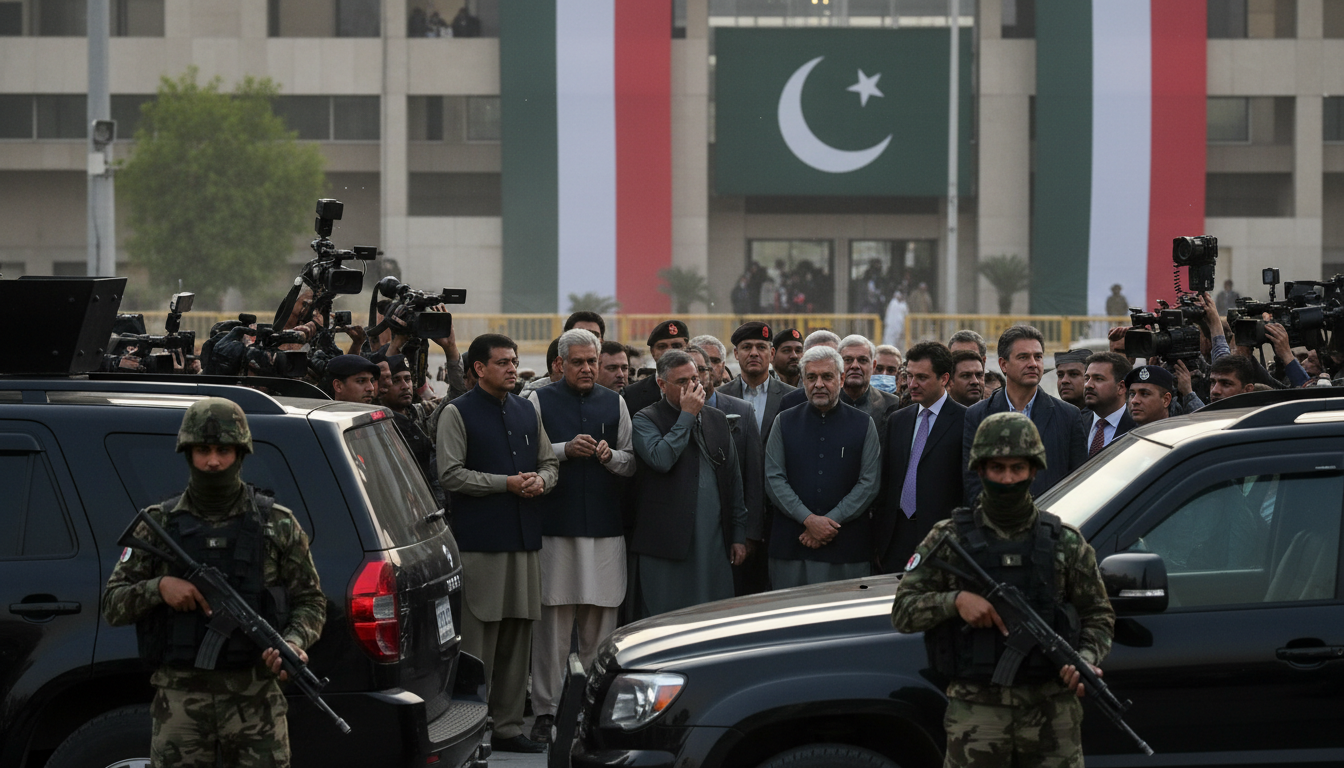
Security forces sealed off central Islamabad on April 20, 2026, ahead of US‑Iran talks in Islamabad, as hosts prepare facilities while questions persist over Tehran’s attendance.
In the heart of the Pakistani capital, authorities moved quickly to establish a security perimeter around the designated meeting site, limiting access and increasing police visibility across adjacent neighbourhoods. The heightened measures come as regional and international observers await confirmation of Iran’s participation in the planned diplomatic engagement. Al Jazeera correspondent Kimberly Halkett reported from Islamabad that checkpoints and controlled entry points have been set up to manage movement near the talks’ venue.
Security perimeter established around talks venue
Local police and paramilitary units deployed roadblocks and vehicle checks on principal routes leading to the venue, officials and residents said. Access was tightly controlled, with only accredited personnel and media granted entry through screened points. The visible security posture was intended to prevent disruptions and ensure safe passage for delegations expected to arrive for the talks.
Authorities also imposed restrictions on public gatherings and commercial activity in immediate proximity to the site, citing the need to maintain order during a sensitive diplomatic event. Islamabad’s municipal services coordinated with law enforcement to clear streets and secure pedestrian areas commonly used by journalists and onlookers.
Uncertainty over Iran’s attendance persists
Despite preparations, diplomatic sources and local reporting indicated uncertainty about whether Iran would take part in the talks, raising questions about the agenda and possible outcomes. Organizers remained tight-lipped on the final list of attendees, and spokespeople for Tehran had not issued definitive statements confirming participation at the time of reporting. This ambiguity has produced a cautious tone among diplomatic circles and media alike.
Analysts said Iran’s decision to attend — or not — would shape the talks’ format and potential for substantive progress, particularly if high-level principals from Washington and Tehran were expected to confer. Even without Iranian representatives present in person, indirect engagement or back-channel contacts could influence the event’s diplomatic value.
Delegations and logistical arrangements under way
Officials from multiple countries were reported to be coordinating travel, security clearances and accreditation for staff and press ahead of the scheduled sessions. Diplomatic couriers and embassy teams liaised with Pakistani hosts to finalize transport routes and secure lodging in central Islamabad. Flight and hotel bookings for international delegations were being monitored closely to minimise security risks and ensure smooth arrivals.
Media organisations were briefed on restricted zones and media accreditation procedures, with a limited pool of reporters allowed inside the secured compound. Some outlets chose to rely on remote coverage from designated press areas, citing the tightened controls around the venue as a limiting factor for on-site reporting.
Pakistani authorities emphasise neutrality and safety
The Pakistani government reiterated its role as host and pledged to provide a secure, neutral environment for any diplomatic engagement taking place in Islamabad. Officials said their responsibility was to protect participants and maintain public order without influencing the discussions. Separately, civil defence agencies were placed on alert to respond rapidly to any incident.
Local officials maintained that the security measures were routine for international events of this scale and urged commuters and residents to follow temporary traffic diversions. City authorities also noted that contingency plans were in place to manage the flow of dignitaries while minimising disruption to everyday life in the capital.
Regional impact and diplomatic stakes
The prospect of US‑Iran talks, whether attended directly by Tehran or conducted in a mediated format, carries wider regional implications for diplomacy and stability. Observers said even preliminary or exploratory meetings could open channels for negotiating specific issues, while any breakthrough would require sustained follow-through across multiple capitals. Conversely, a high-profile absence by Iran could signal domestic or strategic calculations, complicating efforts at engagement.
Diplomats in Islamabad and beyond stressed that the immediate focus remained on logistics and security, but that the international community would be watching closely for signs of progress. Analysts emphasised that small procedural steps can sometimes pave the way for more substantive negotiations later, particularly when neutral hosts provide a framework for dialogue.
Final preparations continued into the evening as security personnel maintained their positions and organisers moved through final accreditation checks. With Iran’s participation unresolved and a strong international presence in the city, Islamabad stood on heightened alert as the world awaited clarity on whether the talks would proceed as planned and what diplomatic consequences might follow.
