
Trump Cancels US Envoys’ Visit to Pakistan as Iran Talks Stall
Trump cancels US envoys’ visit to Pakistan, pausing Islamabad-mediated talks as disputes over the Strait of Hormuz and uranium enrichment stall diplomacy.
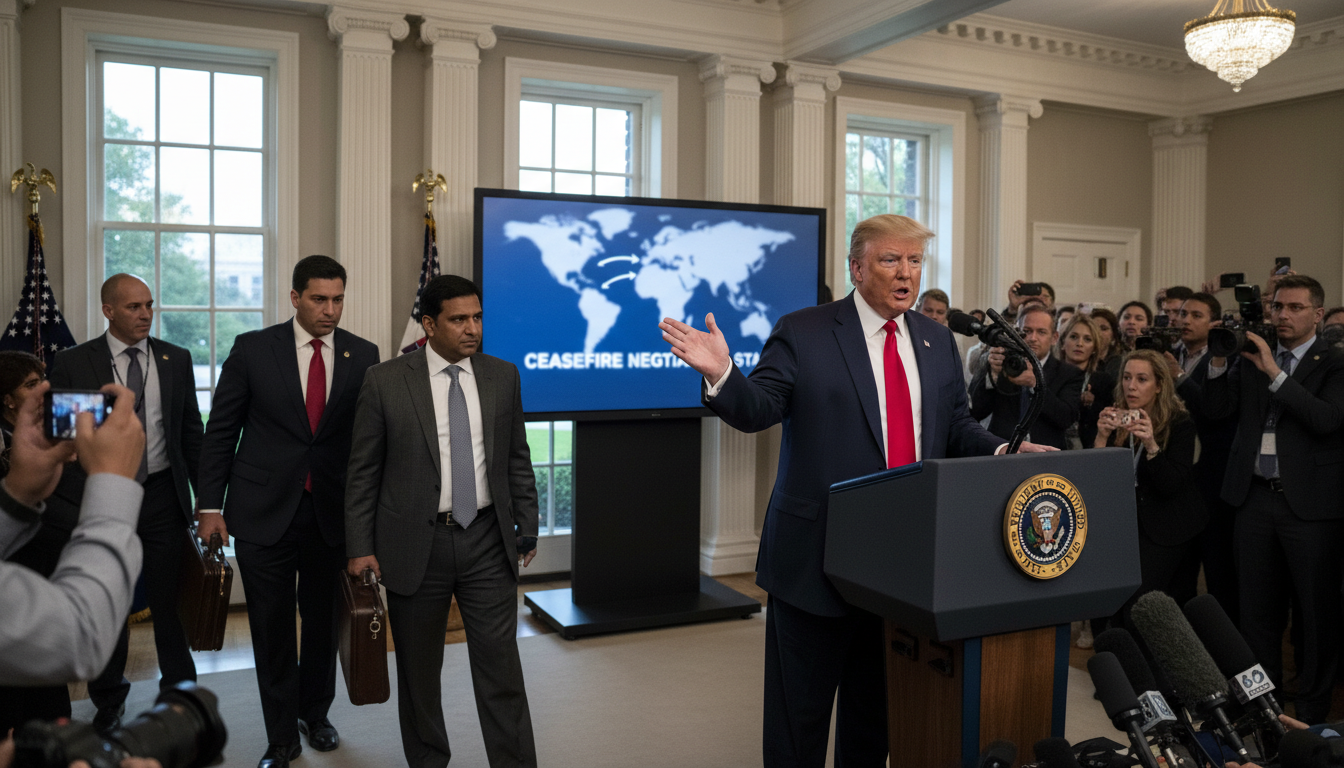
The White House cancelled the planned US envoys’ visit to Pakistan this weekend, removing two senior intermediaries from a fragile diplomatic effort to secure a lasting ceasefire between Washington and Tehran. The envoys, Steve Witkoff and Jared Kushner, had been expected to pursue indirect negotiations mediated by Pakistan, but the trip was called off amid disagreements over proposed terms and logistical costs. President Donald Trump said in public remarks that the United States would not pursue the delegation given what he described as an inadequate Iranian offer. The cancellation raises immediate questions about the viability of Pakistan’s mediation and the durability of the ceasefire that has largely held since early April.
White House Calls Off Envoys’ Pakistan Trip
The administration said the trip was scrapped after assessing the expected outcomes and expenses of the delegation’s travel, with senior officials indicating the Iranian terms fell short of US demands. Mr. Trump also sought to portray Tehran as internally divided and signalled a preference for maintaining leverage rather than accept a partial deal. The envoys named for the engagement — Steve Witkoff and Jared Kushner — will not proceed to Islamabad, removing the most visible US diplomatic channel in the current shuttle diplomacy. US officials declined to set a new date for negotiations, saying any future contact would depend on Iran altering its position.
Iran Insists on Removal of Naval Blockade First
Iranian leaders have reiterated a precondition to any further negotiations: the removal of what they describe as operational obstacles, principally the US naval blockade of Iranian ports. Tehran’s presidency emphasised that Iran will not resume talks while the blockade remains in place, framing the lifting of restrictions as essential to any credible agreement. Iranian Foreign Minister Abbas Araghchi travelled to Islamabad for talks with Pakistani officials and subsequently visited Muscat to discuss possible routes to de-escalation. Tehran also made clear it intends to continue engaging with Pakistan’s mediation team, but only on terms that address the naval restrictions and control of strategic waterways.
Pakistan Maintains Mediation Role Despite Setback
Pakistan’s political and military leadership has continued to act as an intermediary even after the cancellation, according to Pakistani officials briefed on the matter. Islamabad has hosted rounds of indirect contacts between the parties and officials described the ongoing talks as fragile but not dead. Pakistani Prime Minister Shehbaz Sharif and the country’s army chief have received Iranian delegations and signalled their willingness to broker incremental steps toward a settlement. Pakistani diplomats hope that repeated visits by Iranian officials, and continued back-channel communications, can rebuild momentum for a broader agreement.
Ceasefire in Place but Tensions Center on Strait of Hormuz
A ceasefire that began on April 8 has largely prevented full-scale resumption of hostilities, but major disputes persist, most notably over control of the Strait of Hormuz. Iran has asserted maritime claims and maintained actions that the US and its partners view as effectively blocking the waterway, including detaining commercial vessels. The United States has responded with a naval interdiction strategy aimed at ensuring freedom of navigation, a posture Tehran considers a violation of the truce. The centrality of the strait to global oil and gas flows has amplified the stakes, as the waterway previously carried roughly one-fifth of global oil and LNG exports.
Negotiation Roadblocks: Naval Access and Nuclear Enrichment
Beyond naval access, the parties remain far apart on the issue of Iran’s enriched uranium stockpile and the broader nuclear question. Washington and Israel continue to press for stringent limits on enrichment, including proposals that would significantly reduce Iran’s fissile material capability. Tehran insists its enrichment programme is for civilian energy needs and points to its treaty obligations while resisting demands to halt enrichment entirely. The International Atomic Energy Agency has reported higher levels of enrichment in Iranian facilities, a technical detail that has hardened negotiating positions on both sides and complicated the prospects for a comprehensive agreement.
Pakistan’s mediation has sought to sequence steps that could produce reciprocal confidence-building measures, but neither side has yet accepted a package that addresses sovereignty concerns, maritime rights and nuclear safeguards simultaneously. Diplomatic aides in Islamabad describe the current phase as one of incremental diplomacy, where modest, verifiable actions could eventually pave the way for broader concessions. For now, however, high-level engagement remains intermittent and contingent on unilateral changes in policy stances.
The cancellation of the envoys’ trip leaves Pakistan’s mediating role intact but weakened, and it places renewed emphasis on other regional actors who have been working to de-escalate tensions. Oman and Russia were mentioned as destinations for recent Iranian envoys, indicating Tehran’s effort to diversify its diplomatic outreach. Islamabad officials said they hoped further bilateral contacts and technical working groups could keep channels open until both sides find a more acceptable set of terms.
For the moment, diplomacy is in a delicate balance: a ceasefire that has reduced large-scale violence, yet continued maritime confrontations and unresolved nuclear disputes that could reignite wider conflict. The fate of the US envoys’ visit to Pakistan — and whether a future delegation will be accepted — will likely depend on tangible shifts in the blockade and clearer progress on constraints around enrichment. Stakeholders in the Gulf and beyond are watching closely, aware that any breakdown could have rapid economic and security consequences.
As mediation efforts continue in Islamabad and beyond, diplomats say the next week will be critical for testing whether incremental confidence measures can be agreed or whether the impasse will deepen.
