
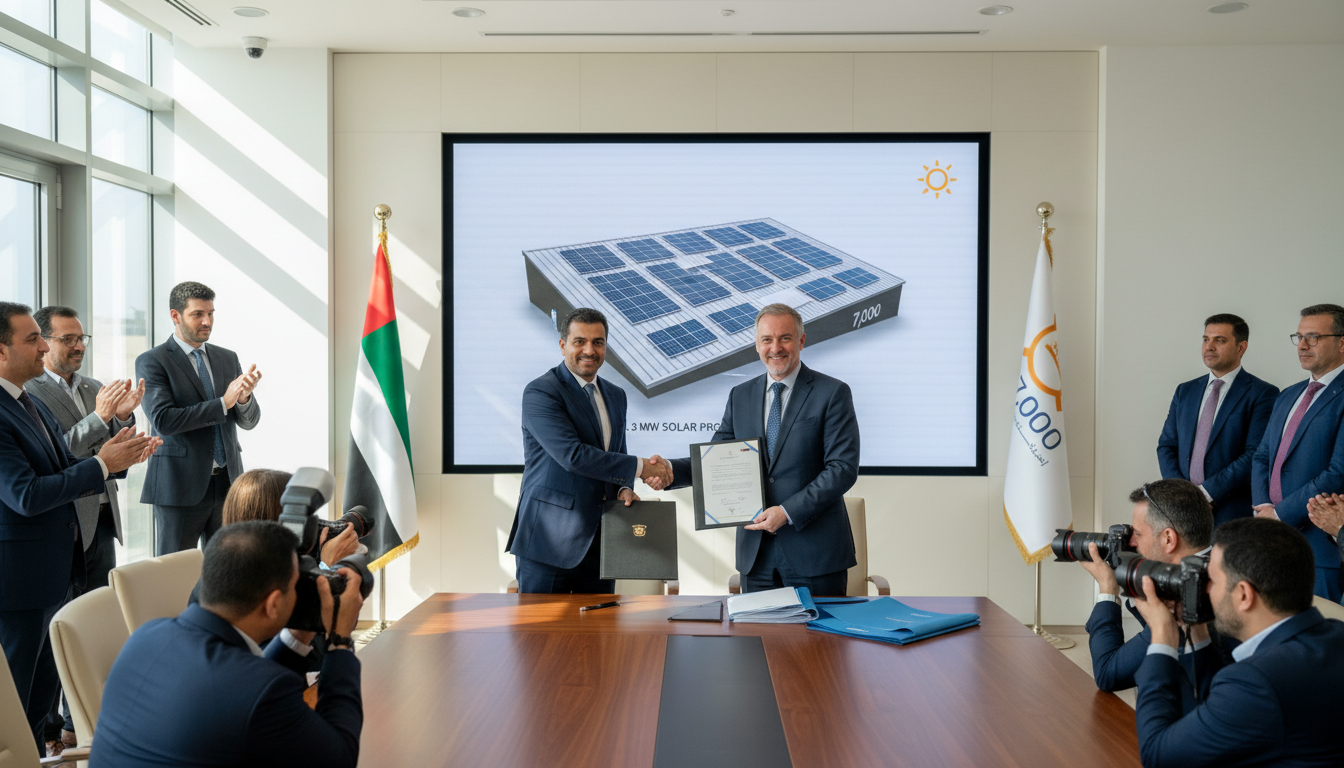
Higher Colleges of Technology solar project to install 7,000 panels across Abu Dhabi, Dubai and Al Ain campuses
Higher Colleges of Technology solar project will install 7,000 panels across Abu Dhabi, Dubai and Al Ain, generating 8 GWh/year and cutting ~90,000 t CO2.
The Higher Colleges of Technology solar project has signed an agreement with independent power producer Three Eight Six to deploy roughly 7,000 photovoltaic panels across six campus locations in Abu Dhabi, Dubai and Al Ain. The installation, delivered under a single integrated model covering finance, design, construction and long‑term operations, is expected to generate about 8 GWh of clean electricity annually and meet roughly 16–17% of the colleges’ power needs. The move aligns the institution with national sustainability targets while reducing reliance on the public grid and lowering operational energy costs.
Project scope and partners
The project covers six Higher Colleges of Technology sites and will deliver a combined installed capacity of 4.3 megawatts when completed. Three Eight Six, an independent power producer based in the UAE, will own, install and operate the solar systems under a long‑term agreement that includes maintenance and performance management. The partnership is presented as a strategic step by HCT to leverage domestic private‑sector expertise and to accelerate on‑campus adoption of renewable energy technologies.
Expected energy production and environmental impact
When fully operational the system is projected to produce approximately 8 gigawatt‑hours of electricity per year, supplying an estimated 16–17% of the colleges’ annual consumption. Over the life of the project, HCT anticipates a reduction of about 90,000 metric tonnes of carbon dioxide emissions, a savings equivalent to removing roughly 21,000 cars from roads for one year or the carbon uptake of about 1.5 million trees. Officials say these figures underpin both the financial and environmental rationale for the investment, showing measurable returns in emissions reduction and energy cost avoidance.
Timeline and current status
Phase one of the programme, with 2.3 megawatts of capacity, was commissioned and brought online in April 2026 and is already contributing to the colleges’ power mix. That first phase is currently offsetting more than 4 gigawatt‑hours of electricity consumption annually. The remaining 2.0 megawatts are scheduled for completion in the fourth quarter of 2026, at which point the full 4.3 MW system will be operational across all six sites.
Commercial model and operational arrangements
The agreement employs an integrated delivery model that bundles financing, engineering, procurement, construction and long‑term operations and maintenance into a single contract. Under this setup Three Eight Six will manage system performance and upkeep, ensuring steady electricity production and integration with campus infrastructure. HCT officials emphasise that the model reduces upfront capital burden for the educational institution while securing predictable energy services and maintenance by a specialized operator.
Benefits for campus operations and learning
Beyond lowering energy bills and emissions, the solar deployment is designed to strengthen operational resilience across HCT campuses and provide an applied learning platform for students. The installed systems will offer hands‑on exposure to renewable energy technologies for engineering and innovation programmes, supporting curricular objectives and workforce development. HCT frames the project as both an operational upgrade and a pedagogical resource that prepares graduates for roles in the UAE’s growing clean‑energy sector.
Alignment with UAE national strategies
HCT and Three Eight Six say the project directly supports the UAE’s sustainability agenda, including the Emirates’ Net Zero 2050 commitments and the UAE Energy Strategy 2050, as well as the Nationally Determined Contributions under international climate frameworks. The colleges note that increased private sector participation in campus renewables is consistent with broader national efforts to decarbonise energy systems and to scale home‑grown clean‑energy solutions. Project leaders argue the initiative demonstrates how public institutions can catalyse private investment while advancing national climate and energy targets.
Mohamed Al Naeimi, deputy director of the HCT Complex for Shared Services, described the initiative as a strategic step toward embedding sustainability across campus operations and enhancing resource efficiency. He said the deployment reflects HCT’s role in equipping national talent while contributing to the country’s transition to cleaner energy. Ahmed Al Khayyat, chairman of Three Eight Six, noted the project will integrate renewable technologies into existing infrastructure using recognised energy‑management practices and long‑term operational support.
The solar installation at Higher Colleges of Technology represents an early example of large‑scale campus decarbonisation in the UAE education sector, combining measurable environmental benefits with tangible educational value. As the remaining capacity is completed in late 2026, the project will provide a test case for further rollouts at other institutions and bolster the colleges’ role in the national clean‑energy transition.
