
Trump Delays AI Executive Order, Citing Concerns It Could Harm the Industry
Trump delays signing AI executive order, saying parts could harm the industry. Treasury and Fed warned Wall Street about Anthropic’s Claude Mythos cyber risks.
President Donald Trump on Thursday postponed signing an AI executive order he had been scheduled to sign at the White House, saying elements of the draft could disadvantage the technology sector. The president told reporters he was concerned the language of the order as drafted might impede U.S. leadership in the race with China and other global competitors. The delay came hours before a planned Oval Office event and follows rising alarm among regulators and financial institutions about advanced AI systems. Officials and industry leaders are now preparing for revisions and further consultations before any directive is issued.
White House announcement and presidential rationale
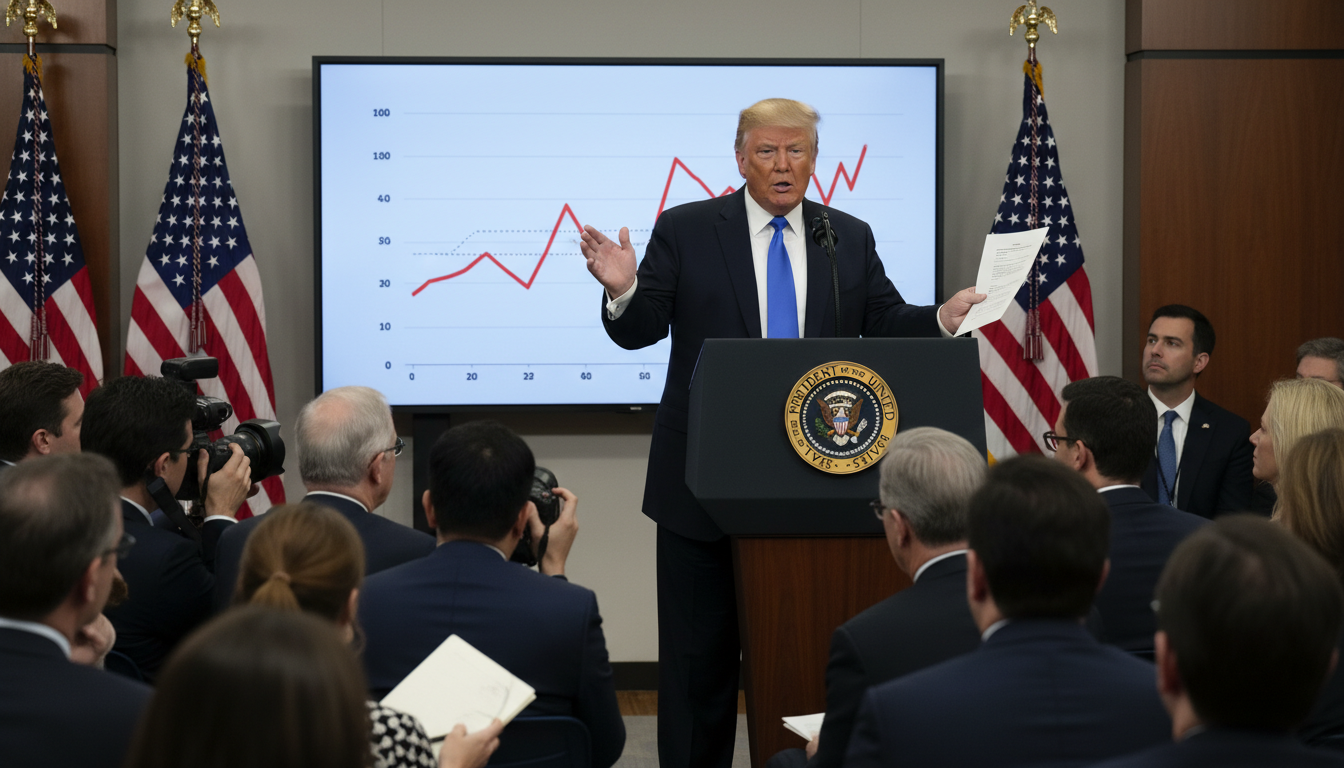
President Trump informed the press that he had asked aides to revise the text of the planned AI executive order because he did not like certain provisions. He framed the decision in national competitiveness terms, saying he would not sign any action that could undermine American advantage over China and other rivals. The announcement was made at a White House event that was not directly related to artificial intelligence policy. Administration officials have since signaled a willingness to work with industry on changes rather than impose immediate constraints.
Regulatory context and security concerns cited by officials
The postponement comes amid heightened government scrutiny of powerful AI models and their security implications, particularly in financial services. In April, Treasury Secretary Scott Bessent and Federal Reserve Chair Jerome Powell convened an urgent meeting with leaders of major Wall Street firms to flag potential cybersecurity risks tied to advanced models. Officials told bankers that new AI systems have demonstrated capabilities to uncover software vulnerabilities, prompting a push to ensure institutions are prepared and resilient.
Anthropic’s Claude Mythos and banking sector alarm
Concerns have centered on Anthropic’s recently disclosed model, known as Claude Mythos, after company reports suggested the system can identify deep, previously unknown software flaws. That capability alarmed regulators and prompted classified briefings and closed-door discussions with financial executives. Treasury and Fed officials said the aim of their outreach was to make sure banks understood the risks and were sharing best practices on cyber defenses. The episode underscored how quickly cutting-edge AI developments can ripple into broader economic and national-security conversations.
Industry reaction and calls for expert access
Some technology and banking leaders have urged a calibrated approach that balances innovation with risk mitigation, arguing that overly broad restrictions could hinder beneficial uses of AI. A group of Republican allies of the president has proposed alternatives that would provide vetted cybersecurity researchers controlled access to advanced models so they can probe for vulnerabilities. AI firms have also indicated a willingness to work with government and industry on responsible stewardship and limited-access testing programs. Those conversations are shaping the administration’s deliberations over how prescriptive any executive action should be.
Political dynamics and timing ahead of revisions
The timing of the postponement places added pressure on the White House to produce a revised order that can satisfy competing priorities: national competitiveness, investor confidence, and cybersecurity safeguards. Lawmakers and industry groups are likely to press for prompt clarity, while civil society organizations may push for stronger safety and transparency measures. Within the administration, officials must reconcile the president’s competitiveness concerns with the regulatory community’s call for firm guardrails. Observers expect a period of negotiation and technical consultation before a final directive is signed.
The delay of the AI executive order highlights the balancing act facing policymakers as government, industry and security officials race to keep pace with rapid advances in artificial intelligence.
