
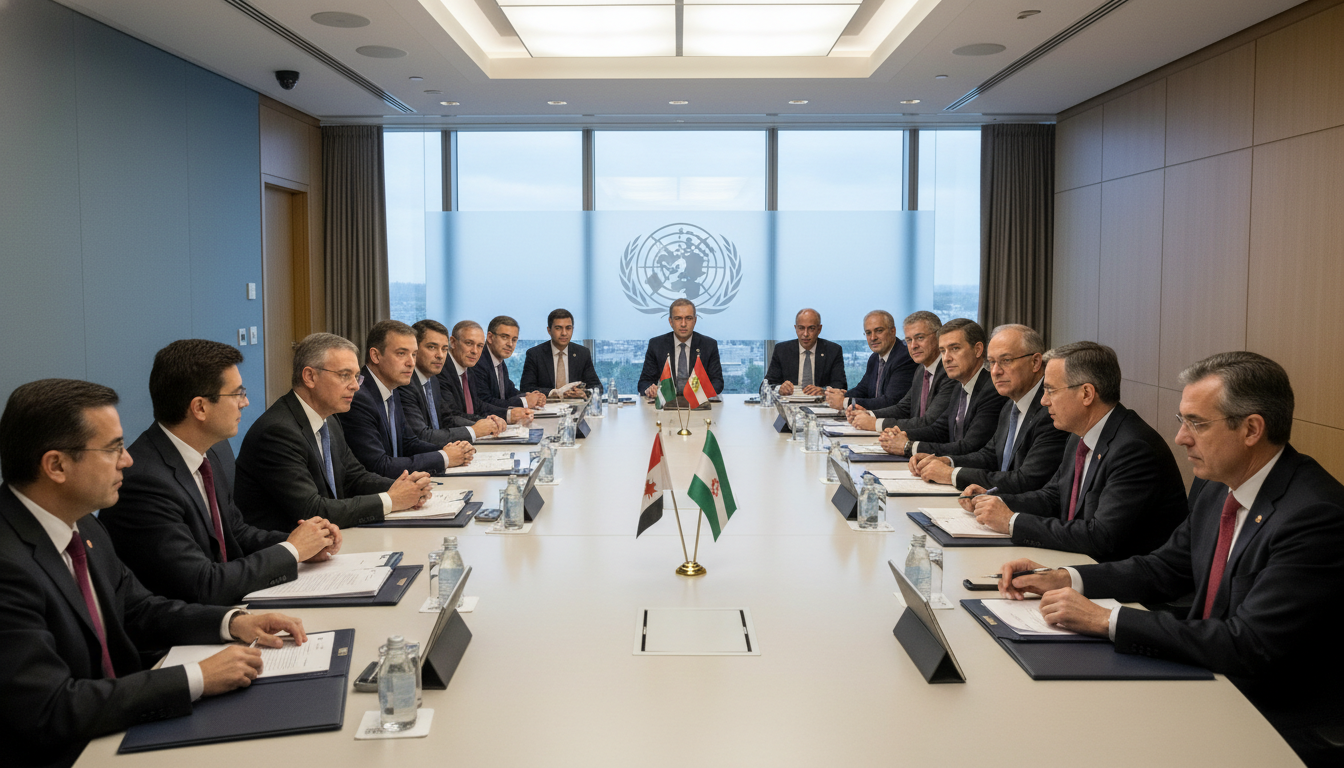
27 Countries Set Up Crisis Mechanisms to Tap World Bank Emergency Financing
27 countries have activated crisis mechanisms to access World Bank emergency financing amid the Middle East war, seeking rapid funds for fuel, food and support.
The World Bank is being tapped by 27 countries that have begun putting in place rapid-access mechanisms to draw on existing programs for emergency finance, according to an internal document seen by Reuters. The move follows the outbreak of conflict in the Middle East and reflects growing pressure on governments facing higher energy costs, disrupted supply chains and urgent balance-of-payments needs. The document did not name the countries or specify the total amounts that might be requested, and the World Bank declined to comment.
Countries Activate Pre-arranged Crisis Tools
Several nations have formally accepted or are moving to accept pre-arranged instruments that speed disbursement from World Bank programs, the document shows. Three countries completed the authorization steps after the conflict escalated on February 28, while others are reported to be finalizing the necessary approvals. These tools are designed to let governments tap funds quickly from their existing World Bank allocations at a time of acute need.
Several officials in affected states have confirmed they are exploring World Bank financing to address immediate fiscal shocks. Kenyan authorities said they were seeking rapid support to blunt the impact of rising fuel prices, and Iraqi officials reported pursuing assistance to cushion a sharp fall in oil revenues. Both countries are among 101 that have access to at least one form of pre-arranged financing instrument.
Scope of Access and Pre-arranged Options
Countries with pre-arranged access can draw on different mechanisms depending on their agreements with the Bank, including emergency response options and rapid-disbursement facilities. Fifty-four nations have signed on to a Rapid Response option that allows the use of up to 10 percent of their undisbursed financing to meet urgent needs. The internal note did not disclose the breakdown of which instruments each country could use or the potential aggregate demand.
World Bank President Ajay Banga has said the Bank’s crisis toolkit could mobilize between $20 billion and $25 billion in emergency funds through pre-arranged instruments, existing project balances and rapid-disbursing tools. He has also suggested the institution could reallocate parts of its portfolio to raise that figure to $60 billion over six months, with further structural changes potentially lifting the total toward $100 billion.
Immediate Needs: Fuel, Food and Fertilizer Supply Disruptions
The conflict’s ripple effects have strained global energy markets and interrupted shipments of critical commodities, notably fertilizers, with direct consequences for developing countries. Governments facing higher fuel bills, threatened food security and tightening external balances have been among the first to consider rapid World Bank financing. These funds are intended to provide temporary relief while countries adjust policy measures and secure additional financing where needed.
Supply chain disruptions have also complicated agricultural seasons in some low- and middle-income countries, heightening demand for quick financing that can support imports and stabilize domestic markets. Officials caution that delayed responses could exacerbate inflationary pressures and social tensions, particularly in economies already grappling with fiscal constraints.
World Bank Capacity and Financial Estimates
Bank officials and outside experts estimate that the World Bank’s existing instruments, combined with portfolio reallocations, can provide a substantial but finite buffer for crisis-hit countries. The institution’s capacity to deliver rapid financing depends on the legal frameworks countries have established with the Bank and the flexibility of project portfolios. The Bank’s leadership has signaled readiness to mobilize funds quickly, but the scale of demand and the duration of the shock will shape the final outturn.
Analysts note that while headline estimates of $60 billion to $100 billion have been floated, realizing the higher figures would require accelerated internal reallocations and possibly new financing arrangements with shareholders. The pace at which countries formalize requests will determine how rapidly commitments can translate into disbursements.
Preference for World Bank over IMF Explained
Several analysts say countries are more inclined to seek World Bank emergency financing than immediate International Monetary Fund programs because Bank instruments can avoid the stringent policy conditionality often associated with IMF packages. Kevin Gallagher, director of the Global Development Policy Center at Boston University, noted that IMF programs typically require fiscal and structural measures that can provoke social unrest in countries already facing domestic strain.
While the IMF has signaled readiness to provide short-term support, including potential requests from up to a dozen countries for rapid assistance, early indications suggest many governments prefer the World Bank’s model for near-term relief. Three informed sources told Reuters that, to date, few formal requests had been registered with the IMF despite expectations that demand could grow.
Next Steps and Remaining Uncertainties
For now, many governments remain in a watchful waiting mode, balancing the need for immediate liquidity against the political and administrative steps required to unlock funds. One source familiar with the situation said countries are “definitely in a waiting and watching mode” as they assess the pace of the crisis and the likely duration of elevated costs and supply disruptions. The number and size of formal requests to the World Bank will be the key determinant of how much emergency financing is ultimately deployed.
As the situation evolves, the World Bank’s response will hinge on the dual tasks of ensuring rapid disbursement where needed and managing its fiscal capacity across multiple crises. Officials caution that while pre-arranged tools can deliver prompt relief, longer-term stabilization will require coordinated action across multilateral institutions, donor countries and domestic policy measures.
The coming weeks will reveal whether a broad wave of requests emerges and how swiftly the World Bank can convert pre-arranged access into cash in the hands of governments confronting immediate hardship.
