
Trump says not to rush Iran deal as “time is on our side”
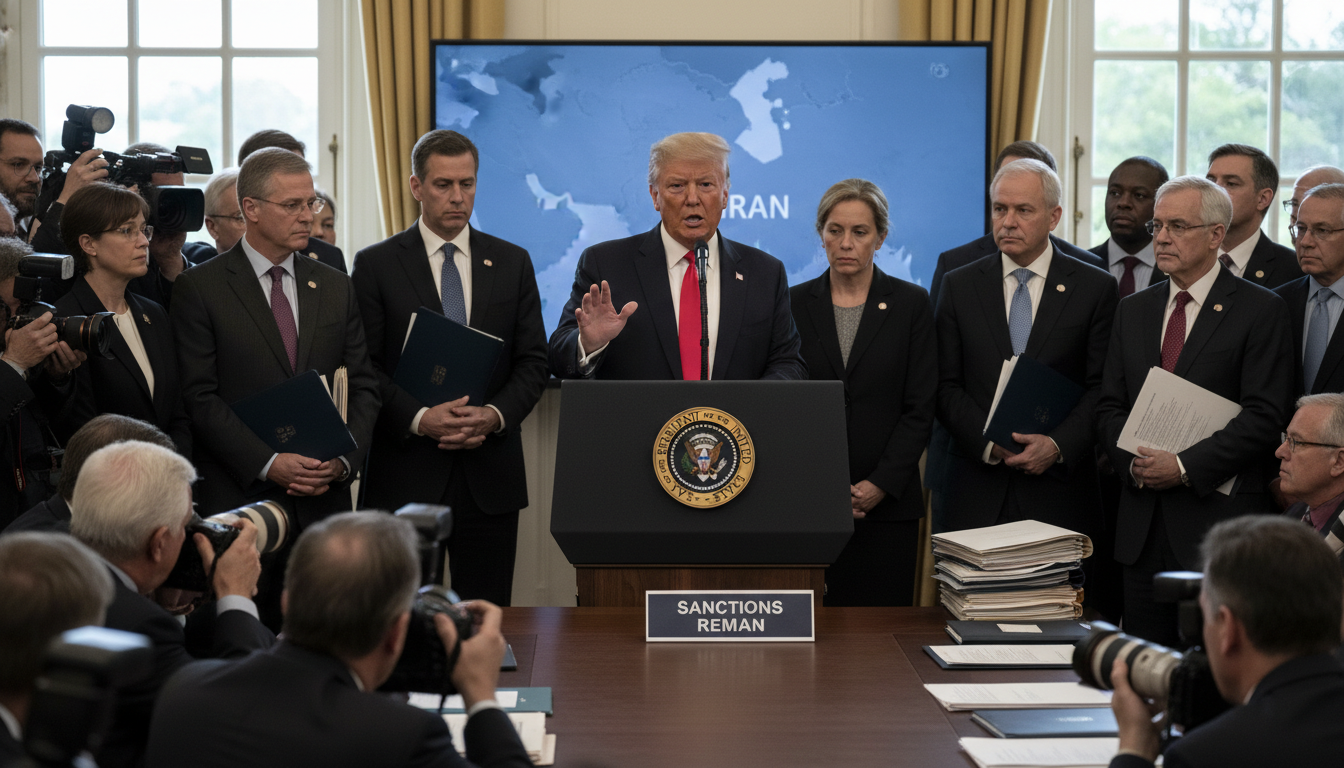
Trump urges patience in Iran deal talks, telling U.S. diplomats on May 24, 2026 that ‘time is on our side’ despite earlier claims of major progress and caution.
Trump’s directive to diplomats
On Sunday, May 24, 2026, U.S. President Donald Trump instructed American diplomatic representatives not to rush an Iran deal, saying the “time is on our side.” The president’s message came less than 24 hours after he said substantial progress had been made in negotiations with Tehran.
Trump framed the decision as a strategic pause, telling envoys to proceed deliberately until any agreement is completed, signed and ratified. He emphasized that pressure would remain in place until formal approval was secured.
Statement on Truth Social
In a post on his Truth Social platform, Mr. Trump wrote that “the siege will remain in full force” until an agreement was both signed and ratified. He added that both sides should take their time and “get it done the right way,” underlining a cautious approach to finalising an Iran deal.
The president also wrote that there must be no mistakes and that relations with Iran would move toward greater professionalism. The message reiterated a dual approach of negotiation backed by sustained pressure.
Recent negotiation developments
Less than a day before the directive, Trump had said an agreement with Tehran had seen a “large part” of the negotiation completed. That earlier comment suggested movement in talks, but Sunday’s guidance signals a more measured timetable for concluding any deal.
Analysts note that declaring progress while urging patience can be a diplomatic tactic to extract concessions and ensure domestic and international buy-in. Any Iran deal will likely require careful legal and political steps before it can be implemented.
Potential diplomatic and legal implications
Keeping sanctions and other pressure measures in place until formal ratification could affect the timeline and content of negotiations. The insistence that an agreement be “signed and ratified” points to expectations of domestic approvals that may be needed in Washington and among partners.
If negotiators take additional time, it may allow for broader consultations with allies and stakeholders to ensure compliance mechanisms are robust. Conversely, prolonging talks carries the risk of eroding momentum or prompting countermeasures from Tehran if trust declines.
Regional and economic considerations for the Gulf
A delayed or protracted process on an Iran deal could have implications across the Gulf, including security calculations and market sensitivities. Countries in the region, including the UAE, monitor such negotiations closely for their impact on energy markets and regional stability.
Officials and business leaders in the Gulf typically seek clarity and predictability from major diplomatic moves, and a clear timeline for any Iran deal would be important for planning. Continued sanctions or uncertainty could alter risk assessments for trade and investment in the short term.
Next steps for negotiators
Diplomats are likely to continue talks with an eye to finalising technical and verification details before presenting a formal agreement for signature. The U.S. statement that pressure will remain until ratification signals that any breakthrough would be followed by a period of scrutiny and legal reviews.
Observers expect that Washington will coordinate with European partners and regional actors to ensure any agreement addresses compliance and verification. The process ahead may require additional rounds of negotiation and diplomatic outreach to secure the necessary approvals.
The president’s insistence on caution and a deliberate pace places a premium on both the substance of any Iran deal and the procedures required to make it durable and enforceable.
