
Hezbollah Calls to Topple Lebanese Government, U.S. Senator Rubio Condemns Move
Marco Rubio condemns Hezbollah’s call to topple Lebanese government, accusing the group of ceasefire breaches and seeking to undermine Lebanon’s stability.
Rubio’s public denunciation
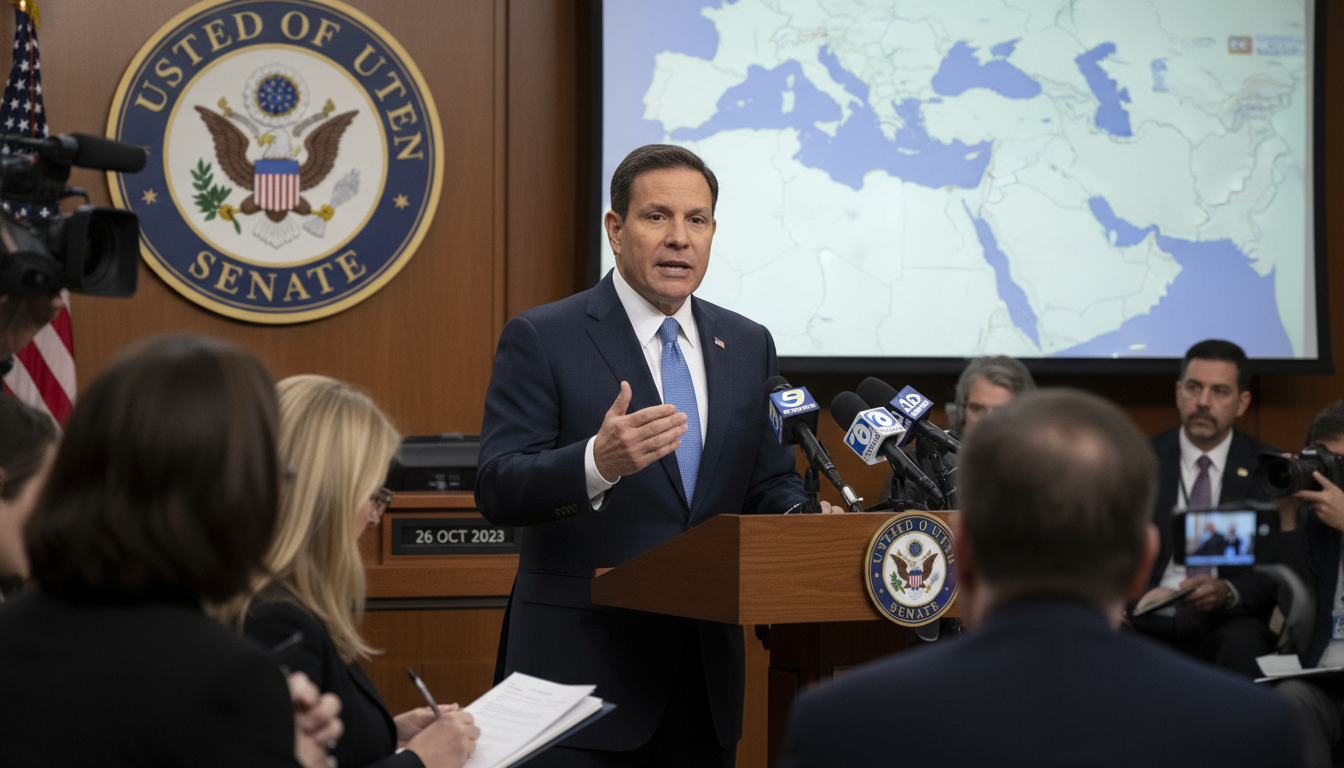
On Sunday, May 24, 2026, U.S. Senator Marco Rubio publicly condemned Hezbollah’s call to topple the democratically elected Lebanese government. Rubio said the United States strongly denounces the group’s demand and portrayed the move as an effort to erode Lebanon’s legitimate institutions. He accused Hezbollah of ignoring repeated Lebanese government appeals to halt attacks and to respect the ceasefire.
Rubio framed the developments as a deliberate attempt to destabilise Lebanon and sustain armed influence at the expense of the country’s future. He said the United States stands firmly with the Lebanese government as it seeks to restore authority and pursue recovery and reconstruction.
Allegations of ceasefire violations
U.S. statements detailed allegations that Hezbollah continued to fire on Israeli positions and moved fighters and weapons into southern Lebanon. According to Rubio’s comments, those actions represent clear violations of the ceasefire framework that regional and international actors have repeatedly urged all parties to uphold. The senator described the pattern of attacks as undermining efforts to prevent a wider escalation along the Israel–Lebanon border.
Lebanese authorities have publicly urged restraint and adherence to the ceasefire, while international mediators remain engaged behind the scenes. The alleged movement of personnel and materiel into sensitive areas increases the risk of clashes and complicates efforts to stabilise border communities.
Hezbollah’s demand for government resignation
Hezbollah’s secretary-general issued a statement implicitly calling for the government’s resignation, asserting that a government unable to protect Lebanese sovereignty should step down. The party also reiterated its categorical rejection of direct negotiations with Israel. That stance deepens the political rift in Beirut between armed groups and state institutions over how to manage security and diplomatic channels.
The demand has raised alarm among Lebanese officials who view the current government as the product of democratic elections and as the legitimate authority for conducting national affairs. Political sources warn that calls for forced government removal could intensify factional tensions and complicate ongoing efforts to secure international assistance.
U.S. support for Lebanon’s recovery and governance
Rubio emphasised that Washington is backing Lebanon’s government in its efforts to secure aid, lead reconstruction, and build a stable future for its citizens. He said the United States remains committed to assisting with recovery and facilitating international support for basic services. The senator stressed that threats to topple an elected government will not succeed and pledged continued diplomatic backing for Beirut’s institutions.
U.S. officials have in recent months promoted a dual approach of humanitarian assistance and diplomatic pressure to dissuade violent escalation. Continued external support is seen by many Lebanese officials as crucial to stabilising institutions weakened by economic collapse and past conflict.
Security and political implications for Lebanon
Regional analysts say Hezbollah’s move risks dragging Lebanon back into instability at a time when the country is still recovering from economic and humanitarian crises. The combination of political pressure, armed posturing, and potential cross-border incidents heightens the prospect of renewed violence that could further erode public services and displace civilians. Domestic political leaders warn that any attempt to overthrow the government by force or coercion would deepen divisions and hinder recovery.
International actors, including Western and regional partners, have repeatedly called for respect for Lebanon’s sovereignty and for political disputes to be resolved through constitutional means. Observers note that preserving state authority is essential for restoring investor confidence and for the delivery of aid to communities in need.
Humanitarian and diplomatic consequences
Humanitarian groups caution that renewed instability would have immediate consequences for civilians already coping with shortages, infrastructure damage, and economic hardship. Aid agencies say that continued hostilities or political collapse could interrupt relief operations and complicate efforts to rebuild essential services. Diplomats are warning that any escalation would also strain relations with neighbouring states and could prompt broader regional responses.
At the same time, Hezbollah’s rejection of direct negotiations with Israel limits available diplomatic channels, making third-party mediation and United Nations involvement more important. International envoys are likely to intensify quiet diplomacy aimed at de-escalation and at ensuring the flow of humanitarian assistance to affected populations.
The situation remains fluid, with political leaders and foreign partners calling for restraint and adherence to established ceasefire terms. All parties face mounting pressure to prioritise the welfare of Lebanese citizens and to avoid actions that would reverse recent gains in stabilisation and aid coordination.
