
Mangione to Argue ‘Extreme Emotional Disturbance’ in Brian Thompson Shooting
Luigi Mangione will argue an “extreme emotional disturbance” psychiatric defence in the Brian Thompson shooting in New York, potentially reducing charges and prison time.
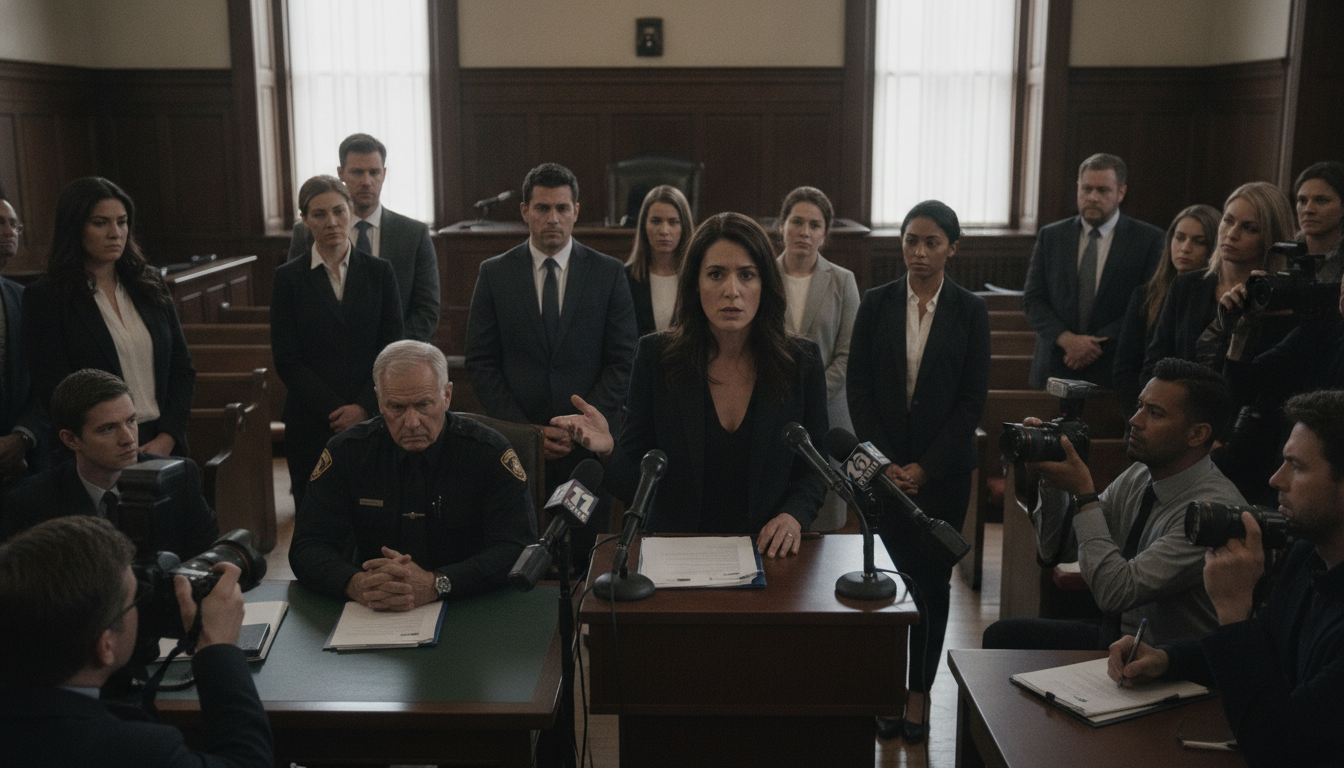
Luigi Mangione, the 28-year-old accused of fatally shooting UnitedHealthcare CEO Brian Thompson outside a midtown Manhattan hotel in December 2024, will present a psychiatric defence at his forthcoming state trial, his attorneys told Judge Gregory Carro on June 17, 2026. The defence asserts Mangione was in a state of extreme emotional disturbance when he allegedly carried out the attack, a claim that, if accepted by a jury, could lead to a manslaughter conviction rather than murder.
Mangione to Argue ‘Extreme Emotional Disturbance’ Defence
Judge Gregory Carro was informed on June 17, 2026, that Mangione’s legal team intends to rely on New York’s statutory provision allowing defendants to seek reduced culpability when impaired judgment is demonstrated. Under that doctrine, a finding of extreme emotional disturbance concedes the defendant committed the act but argues the mental state at the time diminished moral culpability.
The distinction is legally significant because it can convert a murder charge to manslaughter, which typically carries a substantially lighter sentence. Mangione’s lawyers said they will present psychiatric evidence to support the claim that his mental state met the statutory threshold during the December 2024 incident.
Details of the December 2024 Shooting
The killing of Brian Thompson took place outside a Manhattan hotel in December 2024 and was captured in grainy footage that circulated widely on social media. Thompson, the chief executive of UnitedHealthcare, was shot during an encounter that authorities say was deliberate and targeted.
Police investigators reported that markings on the ammunition — described as the words “delay”, “deny” and “depose” — suggested a statement against perceived practices by health insurers. The discovery of those inscriptions drew attention to public anger over high healthcare costs and alleged insurer tactics.
Legal Differences Between Disturbance Claim and Insanity Plea
Legal experts note the “extreme emotional disturbance” defence is not equivalent to an insanity plea and carries different legal consequences. An insanity verdict can lead to treatment in a psychiatric facility and requires a showing that the defendant lacked substantial capacity to appreciate the criminality of his conduct.
By contrast, an extreme emotional disturbance claim acknowledges the defendant’s actions while arguing extreme stress or provocation impaired judgment at the time. If a jury accepts that argument, the conviction changes but does not typically result in psychiatric confinement instead of imprisonment.
Evidence, Motive and Public Reaction
Prosecutors have pointed to the ammunition inscriptions and social media material as part of a broader motive-related narrative, while defence attorneys have signalled they will counter with psychiatric evaluations and contextual evidence. Authorities also charged Mangione in federal court with stalking-related offences; those counts remain separate from the state homicide case.
The shooting intensified public discussion about healthcare affordability and accountability in the United States, with commentators and advocacy groups reacting to both the crime and the apparent motivating messages. Law enforcement officials have cautioned against drawing immediate policy conclusions from a single criminal act while continuing to emphasise investigation and due process.
Court Rulings and Upcoming Trial Dates
Mangione has pleaded not guilty to both state and federal charges and faces potential life sentences if convicted on the most serious counts. His state trial is scheduled to begin on September 8, 2026, while the federal trial, which includes stalking charges, is set for October 13, 2026.
In a related pretrial development, U.S. District Judge Margaret Garnett ruled in January 2026 to dismiss certain federal murder and weapons charges on technical grounds, a decision that removed the possibility of the death penalty in the federal case. That ruling has shaped defence and prosecution strategies as each side prepares for the back-to-back fall court dates.
Final preparations by both teams are expected to include expert psychiatric testimony, forensic analysis, and witness lists, all of which will be scrutinised during pretrial motions. Observers say the convergence of a high-profile corporate victim, political debates over healthcare, and a psychiatric defence will make the trials closely watched by national media and advocacy groups.
The coming months will determine whether jurors accept the extreme emotional disturbance claim and how prosecutors will respond at both the state and federal levels. The proceedings are likely to test legal standards for mental-state defences and to keep public attention on the broader issues the case has raised.
