
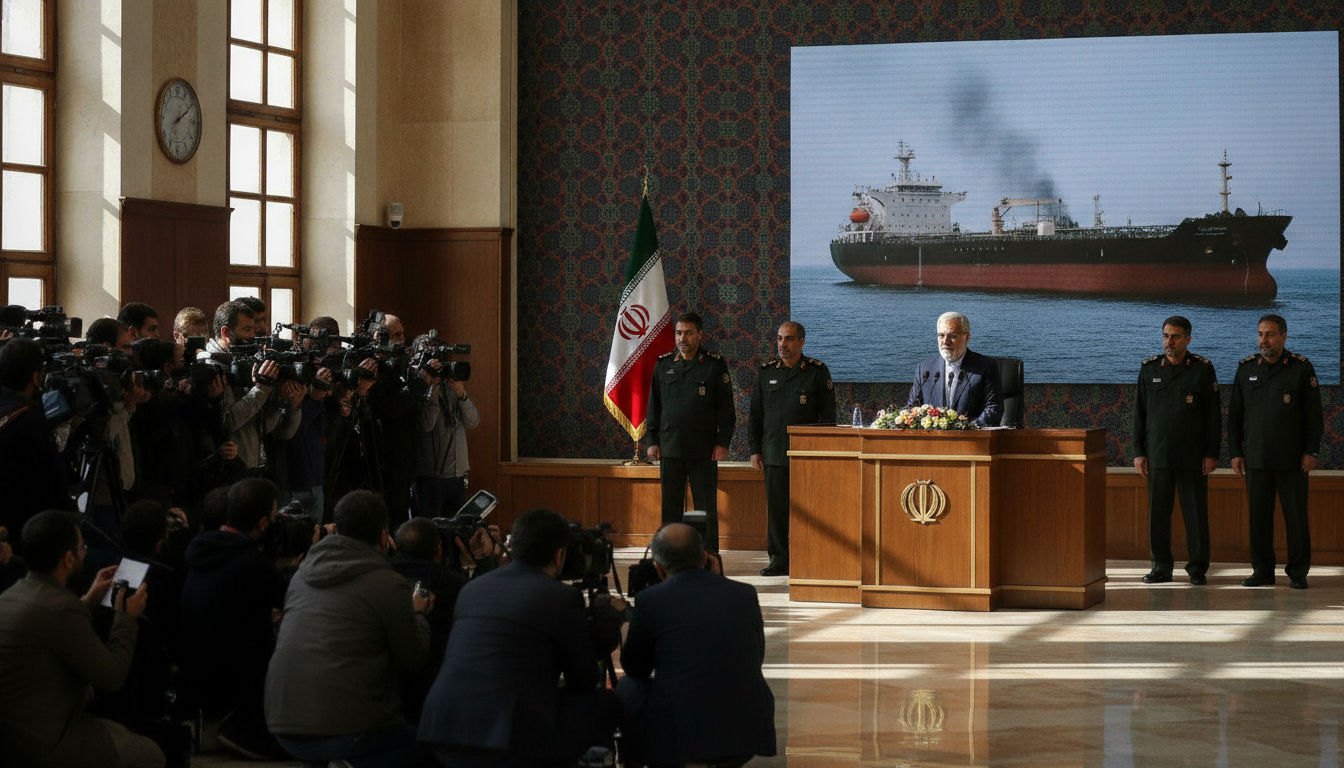
Iran Fires on Tankers in Strait of Hormuz, Threatening Fragile U.S.-Iran Cease-Fire
Iran resumed attacks on oil tankers in the Strait of Hormuz, jeopardizing the fragile memorandum of understanding and raising the prospect of renewed conflict with the United States. The strikes, coming as a 60‑day window on the agreement expired, have intensified military activity and diplomatic brinkmanship across the Gulf.
Renewed Attacks on Commercial Shipping
Three commercial tankers transiting the Strait of Hormuz were struck in the latest episode of maritime violence, according to maritime monitors and shipping sources. Iran did not publicly claim responsibility for the strikes, but analysts say the timing and method are consistent with Tehran’s recent tactics. Ship traffic through the waterway remains substantially reduced compared with pre-conflict levels, with many carriers rerouting or delaying voyages due to safety concerns.
The attacks occurred amid heightened regional alertness, prompting naval escorts and warnings from international shipping insurers. Ship operators and oil traders are monitoring the situation closely, because continued strikes could raise insurance premiums and disrupt global crude flows.
Memorandum of Understanding under Strain
The 14‑point memorandum of understanding signed on June 17 — intended to reopen the Strait of Hormuz to commercial traffic in exchange for economic relief — is now at risk of collapse. The agreement left several difficult issues for later talks, including nuclear and security guarantees, and critics said its provisions were too vague to withstand escalating incidents. As the 60‑day period ran down, confidence in the pact eroded on both sides.
Iranian officials signalled frustration that the United States and allied navies were steering shipping along a southern corridor near Oman rather than recognizing Iran’s new Hormuz transit authority. That shift reduced the practical leverage Iran sought to exert over maritime traffic and fed domestic pressure on negotiators to take a tougher stance.
U.S. and Iranian Military Responses
U.S. military forces responded with intensified strikes on multiple targets across Iran as rhetoric and posturing escalated on both sides. Washington described the operations as aimed at degrading Iran’s capacity to project force across the Gulf, while Tehran pledged to expand drone and missile attacks against U.S. partners in the region. Senior U.S. officials also warned they would not tolerate repeated attacks on commercial shipping.
Political leaders publicly traded threats, and the U.S. president declared the cease-fire effectively ended, raising the stakes for any attempted de-escalation. Some analysts urged caution, stressing that further kinetic exchanges risk miscalculation and could draw in additional regional actors.
Iran’s Strategic Calculations and Domestic Politics
Iran’s decision to strike appears driven by multiple strategic calculations, including a desire to reassert control over the Strait of Hormuz and to signal resilience after earlier rounds of fighting. State media coverage noted national ceremonies at the time of the attacks, a development analysts say may have created a domestic political imperative for strong responses. Hard-line factions in Tehran have also criticized negotiation efforts, pressuring leaders to demonstrate firmness.
Advisers to Iranian negotiators framed revenue concerns as secondary to sovereignty over the waterway, reflecting an equation in which control of transit corridors carries strategic weight beyond immediate financial benefit. That stance complicates any deal that ties opening the strait to incremental economic relief.
Regional Diplomatic and Economic Impacts
The renewed confrontations come as external diplomatic efforts — including talks over a Lebanon‑Israel settlement and discussions about disarming Hezbollah — create additional leverage points for the United States. Tehran views some regional peacemaking efforts as part of a broader campaign to diminish its influence, and those perceptions feed into risk calculations that shape military choices. Observers warn that overlapping diplomatic initiatives increase the number of actors with stakes in whether tensions spiral.
Markets reacted to the strikes with heightened volatility in oil futures and shipping indices, reflecting concern over potential supply disruptions. Prolonged instability in the Strait of Hormuz, through which a significant share of global crude transits, would have immediate implications for global energy prices and supply chains, particularly for countries in the Gulf and beyond.
The path ahead will depend on whether both sides choose to revert to negotiation or continue a pattern of kinetic bargaining that analysts say risks misreading adversary intent. External mediators and regional partners may play a role, but their influence is constrained if military operations continue to drive decisions.
The coming days will be critical for the durability of the cease-fire framework and for commercial navigation through the Strait of Hormuz. If exchanges of fire persist, shipping companies may further divert routes, insurers could impose steeper premiums, and diplomatic options will narrow, raising the prospect of a broader regional crisis.
