
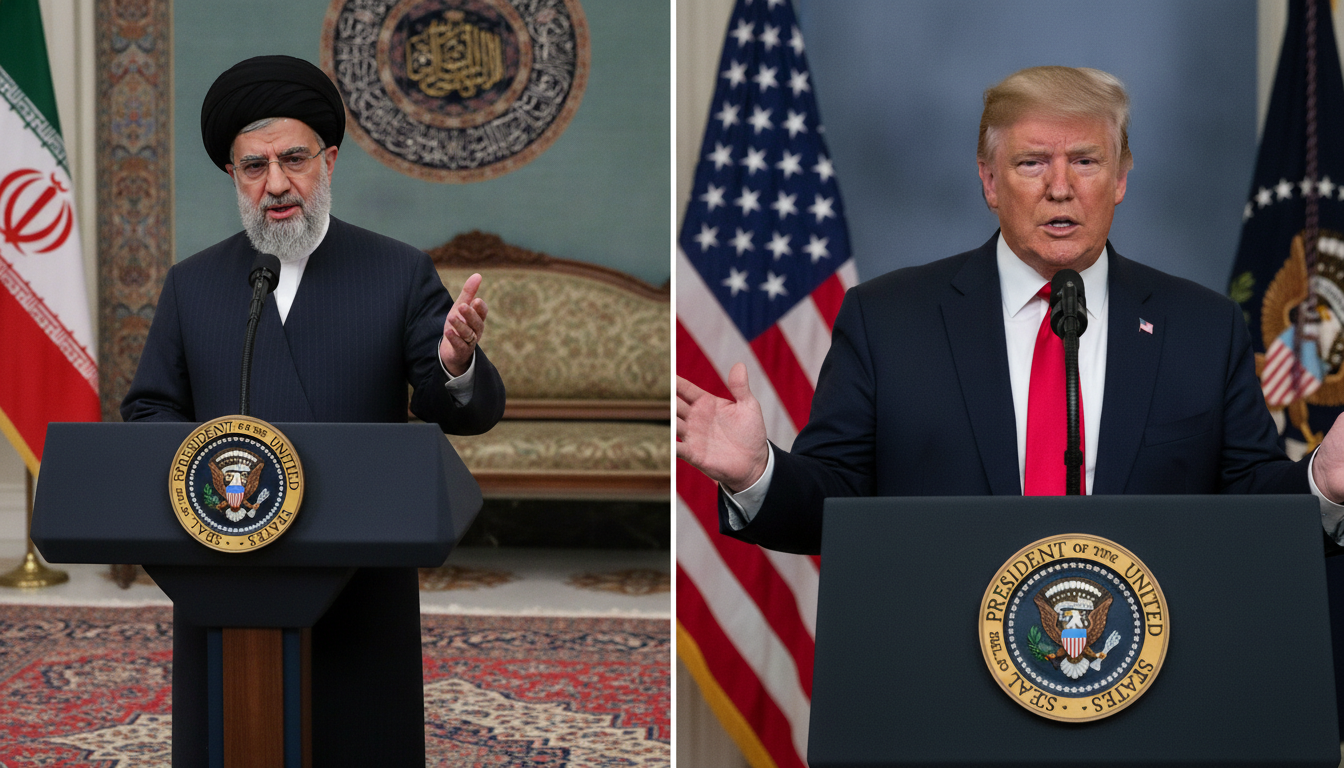
Iran-US escalation intensifies as US president declares ceasefire ‘over’
Iran-US escalation intensifies after US President says ceasefire ‘over’ and Iran vows not to surrender; regional tensions grow and diplomacy ramps up.
The Iran-US escalation entered a new phase on July 11, 2026, after the US president publicly declared the recent ceasefire “over” and Iranian leaders vowed they would never surrender. The announcement has renewed fears of a wider confrontation across the Gulf and prompted urgent diplomatic signals from regional capitals. Analysts say the immediate risk is higher now than at any point in the past month, with both sides reinforcing political and military postures.
Trump Says Ceasefire ‘Over’
After weeks of intermittent calm, the US president declared that the ceasefire between Washington and Tehran had ended. The statement underscored a hardening US posture and signalled a rejection of the pause that had quietly held for several weeks.
US officials framed the declaration as a response to continued hostile actions attributed to Iranian proxies and direct Iranian operations. Washington’s rhetoric emphasised deterrence while reserving the option to pursue further military or economic measures.
Iranian Leadership Rejects Surrender
Iranian political and military leaders responded swiftly, asserting they would not capitulate to external pressure. Statements from senior officials stressed national resolve and framed any US action as grounds for resistance, not retreat.
Tehran’s posture combined public defiance with indications it would mobilise diplomatic and proxy resources in response. The rhetoric from Iranian authorities suggested an intention to maintain pressure on American interests in the region rather than seeking a renewed negotiated pause.
Military Posture and Regional Escalation
Since the announcement, regional military activity has reportedly increased as both sides reposition forces and allies take precautionary measures. Naval patrols, airpower alerts and elevated readiness across Gulf states have been observed amid growing public concern.
The escalation has implications for allied actors who host facilities or forces tied to either party, raising the risk of miscalculation. Military planners in the region face a complex picture where limited skirmishes or proxy attacks could quickly broaden if command-and-control lines break down.
Diplomacy and International Calls for Restraint
International actors have urged calm and de-escalation even as public statements from Washington and Tehran hardened. Diplomatic channels remain active, with third-party states pressing for immediate crisis management measures to avoid unintended escalation.
Multilateral institutions and neighbouring states have reiterated the need for restraint and dialogue, while some capitals have quietly offered to mediate. The coming days are likely to see intensified shuttle diplomacy aimed at preventing the current confrontation from spiralling into open conflict.
Risks to Gulf Security and Energy Supplies
The renewed tensions pose direct risks to Gulf security and global energy markets, given the strategic importance of regional shipping lanes and oil infrastructure. Insurers, traders and energy companies are monitoring developments closely, with volatility likely if hostilities increase.
Even limited disruptions to shipping through the Strait of Hormuz or attacks on energy facilities would have immediate effects on supply and regional economies. The Gulf’s proximity to major energy transit routes means that local escalations can have rapid global economic consequences.
Outlook and Possible Scenarios
Analysts outline several possible near-term scenarios ranging from a return to a managed ceasefire to an intensification of hostilities involving proxies and limited direct strikes. The most likely short-term path, many officials say, is a period of heightened tension punctuated by episodic clashes and diplomatic engagement.
Longer-term outcomes depend on whether either side chooses sustained military escalation or re-engages in structured negotiations. The balance will be shaped by domestic political pressures, allied responses and the capacity of third-party mediators to broker face-saving measures.
The coming days will be critical as military movements, diplomatic initiatives and public messaging interact. Policymakers say measured steps that reduce immediate risk while preserving room for talks are essential to prevent the Iran-US escalation from evolving into a broader regional war.
