
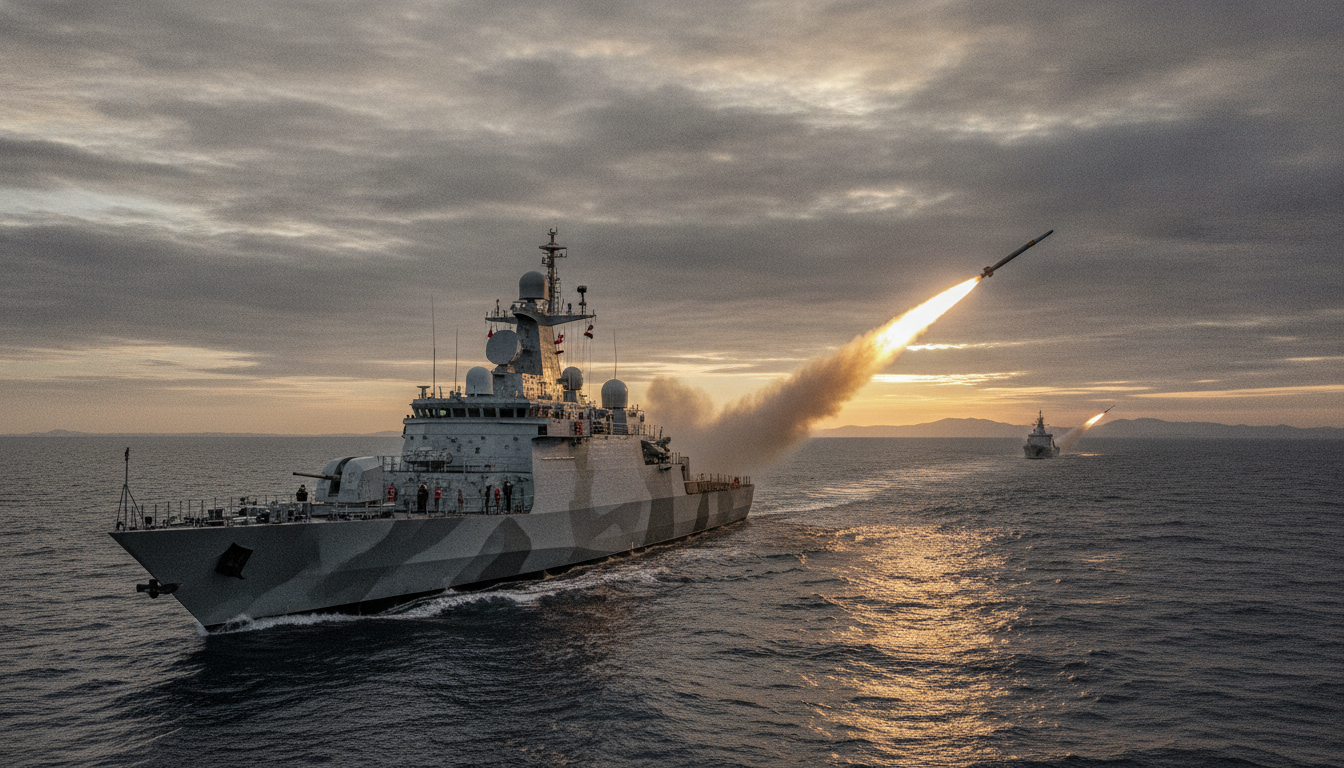
IRGC Releases Naval Missile Video as US-Iran Tensions Escalate in Strait of Hormuz
IRGC footage shows missiles fired in retaliation for US strikes on July 12, 2026, as US-Iran tensions in the Strait of Hormuz force maritime closure and heighten regional alarm.
On July 12, 2026, Iran’s Islamic Revolutionary Guard Corps released video it said depicted naval missiles launched in direct retaliation for recent US strikes, underscoring a rapid spike in US-Iran tensions in the Strait of Hormuz. The footage, circulated by IRGC channels, follows a series of exchanges between Tehran and Washington that have led authorities to close parts of the strategic waterway. Officials and shipping operators warned of immediate disruptions to commercial traffic and heightened risks for vessels transiting the Gulf.
IRGC Releases Footage Claiming Missile Strikes
The IRGC posted video purporting to show missiles being fired from naval platforms as a response to American strikes earlier in the week. State-aligned outlets described the action as a measured military reply intended to deter further attacks, while presenting imagery of missile launches and naval movements. The footage’s release marks a notable escalation in public messaging from Tehran and serves both as a demonstration of capability and a warning of potential further retaliation.
Closure of the Strait of Hormuz and Maritime Disruption
Maritime authorities reported the temporary closure of parts of the Strait of Hormuz following the exchanges, with commercial traffic rerouted or held at anchor pending security assessments. The strait is a vital chokepoint for global oil shipments, and any interruption has immediate operational and commercial consequences for tankers and carriers. Shipping firms and insurers are reassessing transit plans, and several vessels have altered course to avoid the area.
Sequence of Strikes and Military Exchanges
The IRGC’s announcement frames the missile launches as retaliation for unspecified US strikes that targeted Iranian positions in recent days. Both sides have publicly acknowledged strikes and counter-strikes, though details about locations, damage and casualties have been limited in official statements. Observers note that the pace of exchanges — combined with filmed demonstrations of force — increases the chance of miscalculation between naval and air assets operating in close proximity.
Regional and Diplomatic Responses
Regional governments and international organizations urged restraint as tensions rose, calling for de-escalation to prevent broader conflict in the Gulf. Diplomatic channels reportedly remain active, with states in the region and beyond encouraging both Tehran and Washington to avoid further military steps. Commercial and naval actors in the area are also coordinating with local authorities to maintain situational awareness and safety for crew and cargo.
Implications for Shipping, Energy and Markets
Market analysts warned that continued disruption in the Strait of Hormuz could drive volatility in global energy markets given the waterway’s role in oil exports. Shipping costs and insurance premiums are likely to rise if perceived risks remain elevated, affecting trade flows beyond the immediate region. Energy companies and trading houses are monitoring developments closely, as even temporary interruptions can ripple through supply chains and refine trading strategies.
Security Experts Caution on Escalation Risks
Security analysts emphasised that video releases and tit-for-tat strikes raise the spectre of unintended escalation, particularly in a congested maritime theatre. The presence of multiple state and non-state actors, combined with active military operations, increases the odds of misidentification or accidental engagements. Experts urged enhanced communication channels and agreed rules of engagement to lower the risk of incidents spiralling into a wider confrontation.
The public release of missile footage by the IRGC on July 12, 2026, highlights how information operations are now intertwined with kinetic actions in the Gulf. As US-Iran tensions continue to shape manoeuvres and responses in the Strait of Hormuz, governments, shipping firms and international mediators face urgent pressure to stabilise the situation and safeguard commercial navigation.
