
Dutch manure exports see new demand as EU limits and fertilizer shocks reshape markets
Dutch manure exports gain traction as EU nitrogen caps and fertilizer-price shocks drive demand for processed manure in Poland and broader European markets.
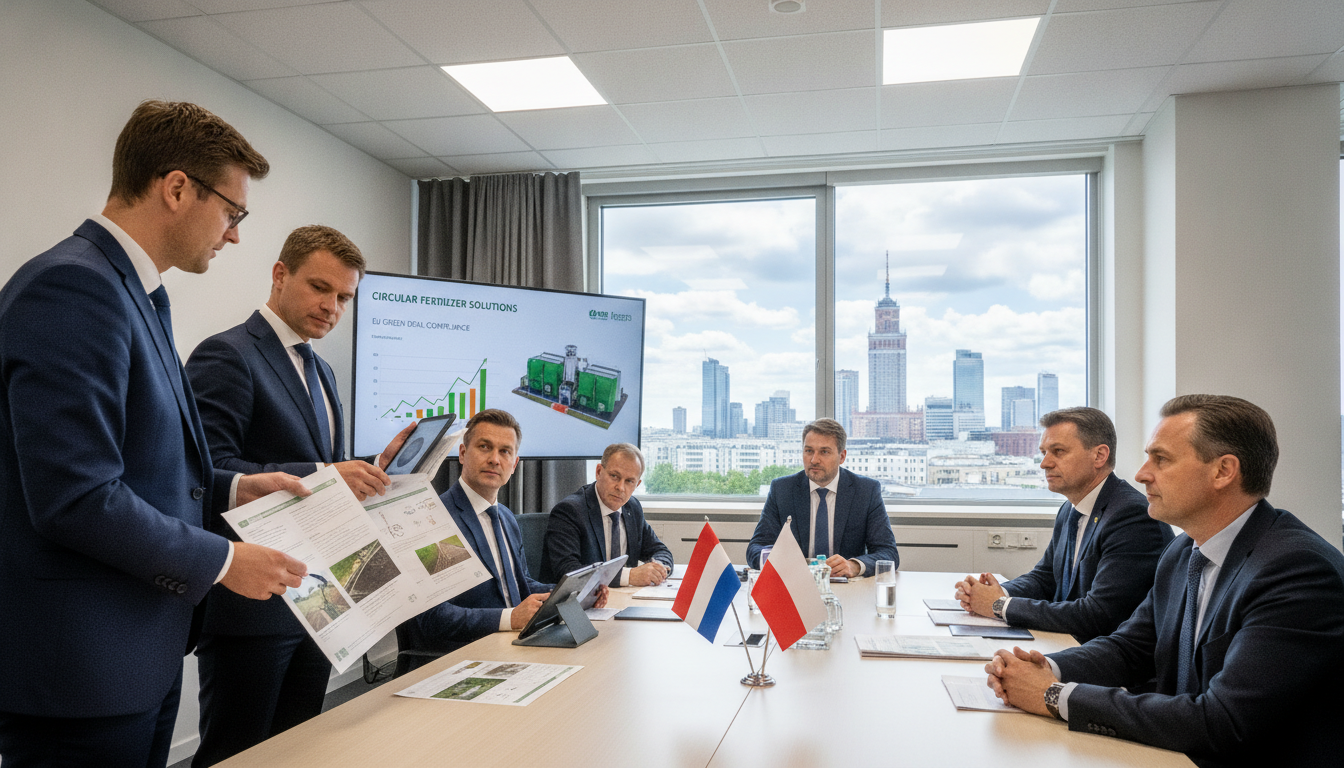
Dutch manure exports became the focus of a matchmaking event in Minikowo, Poland, as producers and Polish farmers explored sales of processed and raw animal waste brought on by EU nitrogen restrictions and volatile fertilizer markets. Organizers showcased samples, demonstrations and discussions aimed at turning a domestic surplus into cross-border agricultural inputs. The push reflects how regulatory limits, rising input costs and geopolitical shocks are reshaping supply chains for crop nutrients across Europe.
EU nitrogen limits spur surplus
The Netherlands imposed stricter nitrogen rules this year that cap how much animal manure can be spread on domestic fields, leaving many farms with more waste than farmland can absorb. That regulatory squeeze has created logistical and financial pressure on Dutch livestock producers who must reduce on-site application. Officials and industry representatives now view exports and processing as key options to manage the growing surplus.
Poland event highlights market outreach
The Minikowo gathering attracted Dutch sellers, Polish agricultural suppliers and local farmers who inspected samples, attended talks and received take-home product vials. The event was organized to introduce Polish growers to processed manure products and to test demand beyond the Netherlands’ borders. Organizers report mixed interest, with some attendees intrigued by local alternatives and others cautious about cost and transport.
Fertilizer-price spikes increase interest
Global fertilizer prices surged after attacks in the Middle East disrupted shipping through the Strait of Hormuz, pushing both mineral fertilizer costs and production fuel prices higher. That shock renewed farmer interest in domestically produced organic alternatives as a hedge against volatile imports. While prices later softened after diplomatic developments, market participants say the episode underscored the appeal of regional nutrient sources.
Processing innovations aim to reduce impact
Dutch researchers and companies are promoting processed manure products such as RENURE and digestates that reduce environmental harm and can meet stricter EU standards. These processed forms concentrate nutrients, making them more comparable to mineral fertilizers and easier to transport. Officials hope scaled processing will create commercially viable products that satisfy regulatory and agronomic requirements.
Export economics and transport challenges
Despite growing outreach, sellers warn that manure is costly to move because it is heavy and high in moisture compared with compact mineral fertilizers. Export volumes to neighboring countries like Belgium and Germany have increased, but low prices and transport expenses mean many Dutch farmers still pay to dispose of excess manure. Market players say a combination of higher processing yields, better pricing and logistical solutions will be needed to shift the balance.
Industry voices and government efforts
Dutch agricultural advisers and embassy representatives have taken an active role in promoting manure abroad, naming ambassadors to open markets and organize promotional events. Project leaders at research institutes highlight that when synthetic fertilizer prices rise, demand for substitutes typically follows. At the same time, the Dutch government has used buyouts in sensitive areas to reduce livestock numbers and curb manure production directly.
Polish farmers and agronomists expressed both skepticism and cautious optimism at the Minikowo event, noting that perceived costs, cultural preferences and transport distances shape purchasing decisions. Some exporters already ship to France and Germany and occasionally to Poland, but they say broader uptake will depend on competitive pricing and assurances on nutrient content and handling.
Processed manure producers point to new product approvals and EU-level discussions about digestates as potential levers to expand market acceptance. If regulatory frameworks adjust to recognize certain processed manures as safe and effective, more growers across Europe might incorporate them into fertilization plans. Industry representatives emphasize the need for transparent testing and clear labeling to build buyer confidence.
The Dutch push to commercialize manure represents a practical attempt to reconcile environmental regulation with farm economics, while recent global disruptions have given the effort renewed urgency. Whether Dutch manure exports can become a stable, profitable component of European nutrient supply will depend on logistics, processing scale and continued shifts in fertilizer markets.
