
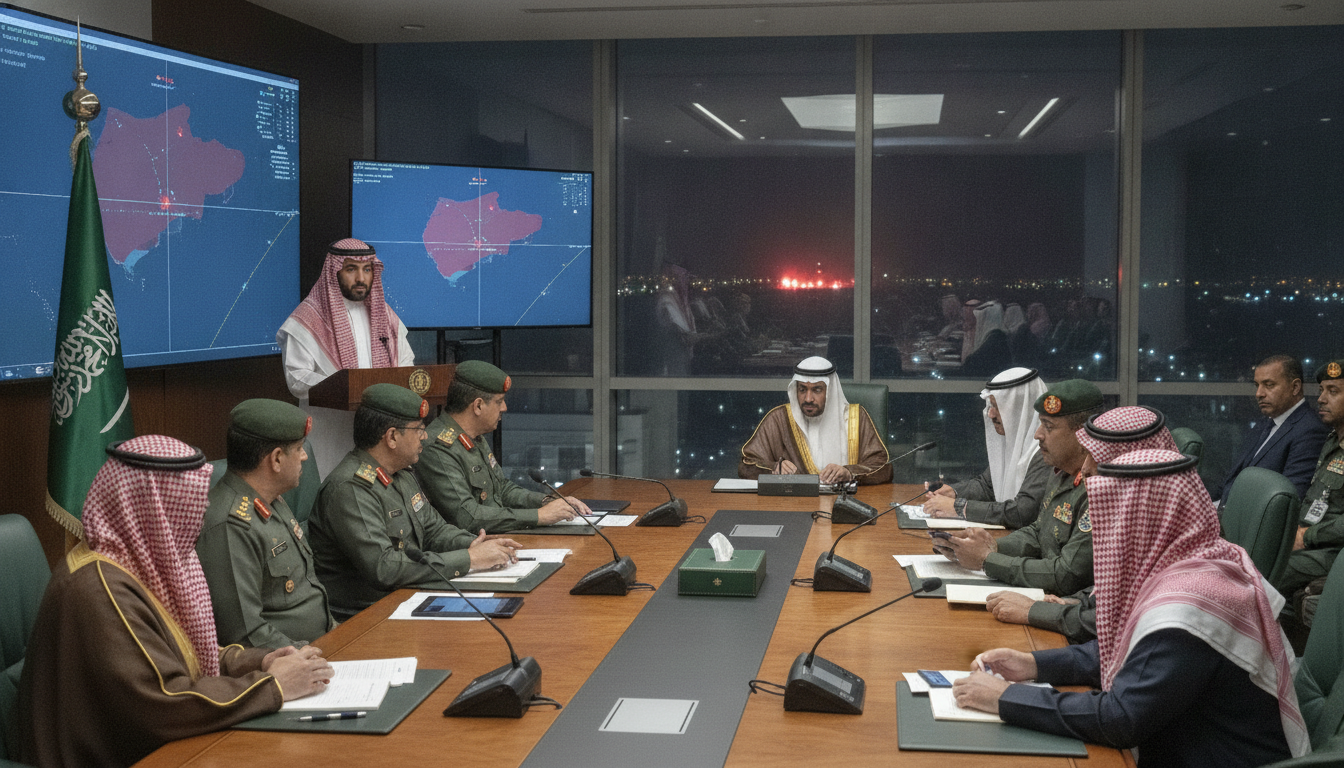
Saudi-Houthi clashes escalate, threatening wider war and disrupting Red Sea oil routes
Saudi-Houthi clashes have intensified in July, threatening to reignite Yemen’s civil war, disrupt Red Sea oil exports and deepen a humanitarian crisis, urgently.
The Saudi-Houthi clashes that erupted in mid-July have raised alarm across the region as missile and drone strikes, coupled with air raids, risk undoing a fragile truce that paused fighting in 2022. The confrontations have targeted Saudi territory and commercial shipping in the Red Sea, imperiling key oil export routes and prompting a calibrated military response from Riyadh. Analysts and diplomats say the violence reflects both the Houthis’ push for greater control over Yemen’s resources and Saudi efforts to avoid a costly return to large-scale warfare.
Recent military exchanges and Red Sea incidents
In the past week, Houthi forces have launched missiles and unmanned aerial vehicles into southern Saudi Arabia and against vessels transiting the Red Sea. Those attacks prompted airstrikes by a Saudi-led coalition into Houthi-held areas for the first time in several years, marking a sharp escalation from the truce-era posture. Maritime traffic through the corridor has been disrupted, increasing volatility in global energy markets that depend on uninterrupted shipments.
Officials and security analysts describe the exchanges as highly risky because commercial tankers and civilian vessels have become targets or collateral victims. Both sides report strikes and counterstrikes, contributing to rapid cycles of retaliation that are difficult to contain. The Red Sea’s strategic importance for Saudi oil exports has amplified the consequences of each incident.
Political drivers behind Houthi actions
Regional analysts say the Houthis are pursuing a dual strategy: supporting allied Iranian positions while pressing Riyadh and the international community for political and economic concessions in Yemen. A key Houthi demand has been access to Yemeni oil revenue and the restoration of state salary payments in Houthi-controlled areas. Houthi leaders have framed recent actions as both resistance to perceived blockades and leverage to reopen stalled negotiations.
Diplomats involved in past peace efforts report that a near-agreement in late 2023 included provisions to channel oil revenues and reinstate civil servant pay in northern Yemen. Those proposals were never fully implemented, and the collapse of wider regional talks — especially after the Gaza war in late 2023 — removed a major incentive for the Houthis to remain restrained. Analysts say the group now calculates that escalation may produce political gains or force international mediation.
Saudi priorities and calibrated responses
Saudi officials have publicly emphasized a desire to de-escalate while accusing the Houthis of serving foreign agendas. Riyadh is wary of reopening a protracted air campaign that previously produced heavy civilian suffering and international criticism. Saudi policymakers, observers say, are weighing the immediate need to protect maritime routes and onshore infrastructure against the long-term costs of a renewed ground-intensive conflict in Yemen.
Sources close to regional delegations describe Riyadh’s current approach as measured: limited strikes aimed at specific Houthi capabilities while avoiding broad operations that could spiral into all-out war. That restraint is intended to preserve the kingdom’s broader transformation agenda and economic plans, which could be jeopardized by an expanded conflict.
Humanitarian impact and civilian sentiment in Yemen
Millions of Yemenis remain vulnerable as the political standoff exacerbates shortages of food, fuel and public services across the country. In Houthi-controlled Sanaa and other northern areas, suspended salary payments and restricted imports have left many families unable to meet basic needs. Some residents express desperation and say that renewed fighting is seen by parts of the population as a potential route to change, despite the heavy costs of war.
Aid groups warn that any escalation would deepen a humanitarian emergency, stretching already limited relief operations and increasing risks of famine and disease. Observers caution that civilian hardship is both a driver of unrest and a consequence of continued violence, complicating efforts to build confidence for negotiations.
Regional stakes and the oil export lifeline
The timing of the clashes has heightened regional stakes because Saudi Arabia now relies heavily on the Red Sea corridor for crude shipments after alternative routes were constrained. The Houthis’ campaign against shipping and occasional strikes near export facilities threaten Saudi export volumes and international energy market stability. Shipping firms and insurers are already reassessing transit risks, which could raise costs and divert cargoes.
Analysts note that the Houthis have repeatedly used maritime disruption as leverage, aware that targeting commercial traffic draws swift attention from affected states. That dynamic raises the possibility of a coalition response led by maritime partners if attacks on shipping continue.
Diplomatic signals and international posture
Washington and regional capitals have signaled concern while urging restraint; statements range from calls for dialogue to warnings of potential military consequences if strikes persist. A senior U.S. commentariat has indicated support for allies to take the lead on regional security, even as global powers urge a return to negotiated settlement mechanisms. Public threats by external leaders in late July conveyed impatience with continued Houthi operations against oil tankers and allied interests.
Observers say the immediate diplomatic challenge is to open channels that prevent further escalation while salvaging elements of the previous truce that addressed salaries and revenue sharing. International mediators and regional backers will face pressure to produce concrete steps that reduce incentives for renewed hostilities.
The current spike in Saudi-Houthi clashes underscores how fragile Yemen’s ceasefire architecture remains and how regional conflicts can rapidly intersect with local grievances. Unless diplomatic progress is revived and revenue-sharing arrangements are implemented, analysts warn that periodic escalations will continue to threaten both civilian lives in Yemen and commercial lifelines through the Red Sea.
