
Kyiv Residents Rely on Telegram Air Raid Channels to Navigate Overnight Russian Strike
Kyiv residents relied on Telegram air raid channels to track an overnight Russian strike, receiving real-time alerts that guided sheltering and response.
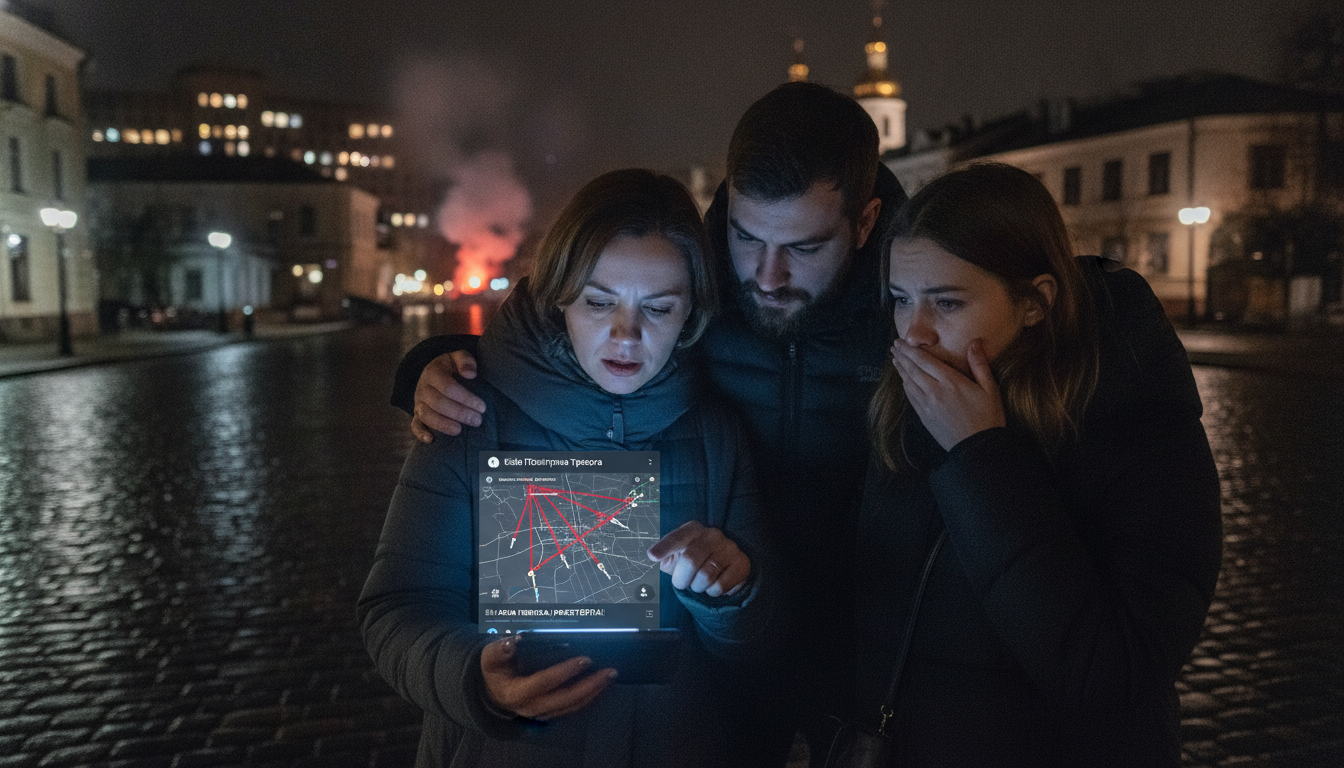
A heavy night of drone and missile attacks on Kyiv in early July highlighted the central role of Telegram air raid channels in civilian safety, as tens of thousands of residents followed minute-by-minute updates to decide when to take shelter. Channels such as Kyiv Sky and monitor issued a rapid stream of warnings that prompted crowds to move into subway stations, while others used humour to calm followers. By dawn authorities reported 27 dead and 85 wounded after the assault.
Alerts Guide Kyiv Residents During Overnight Assault
When the barrage began, Telegram alerts appeared on phones in subway stations, workplaces and homes across Kyiv, telling people where strikes were likely and when air defences were engaging incoming threats. Short messages — identifying drones, ballistic missiles or large coordinated strikes — allowed individuals to judge how much time they had to reach cover or whether to remain briefly outside.
The pattern repeated across the night: an initial regional warning, targeted updates about specific flight paths, and intermittent “all-clear” notices that gave people windows to move between shelter and everyday life. For many, the channels replaced uncertainty with rapid signals that shaped immediate behaviour.
Anonymous, Military-Linked Operators Run Channels
The channels operate mostly anonymously but are run by individuals with links to military networks and intelligence sources, according to those who manage and monitor them. One long-running channel, monitor, began in May 2022 and now reaches close to a million followers by publishing terse, accuracy-focused updates drawn from dozens of military contacts.
Operators say they rely on army and radar data, allied intelligence and real-time reports from field personnel to assemble fast alerts. They publish under pseudonyms because the material they handle is sensitive, and because revealing sources or operational detail could endanger equipment or personnel.
Public Trust Grows as Sirens Prove Insufficient
Many Ukrainians say they prefer Telegram air raid channels to traditional sirens because the channels offer more granular, location-specific information than nationwide alarms. Whereas sirens historically provided only a binary danger signal, the channels differentiate between weapon types and estimated arrival times, helping residents choose the most effective immediate response.
The channels have built communities over the course of the war, with some users following dozens of feeds concurrently to cross-check information. That collective scrutiny has produced a form of amateur analysis in which followers estimate missile flight times and likely impact zones to inform personal safety choices.
Military Engagement and Operational Risks
Ukrainian military spokespeople recognise the channels’ value but have warned against publishing details that might compromise air-defence operations. Colonel Yurii Ihnat, a spokesman for the air force, has cautioned channel operators not to disclose precise flight paths or data that could reveal the location of tracking radars or other critical assets.
At the same time, the military has adopted elements of the model: the Ukrainian Air Force began issuing its own Telegram warnings in mid-2023, signalling a partial institutionalisation of a grassroots information network. Officials maintain a delicate balance between leveraging rapid public dissemination and preventing operational exposure.
Channels as Coping Mechanism and Social Space
Beyond tactical alerts, many channels have become social outlets that help people cope with the stress of frequent strikes. Channels such as Nikolaevsky Vanek, which counts millions of followers, often insert dark humour and colloquial catchphrases into updates to ease anxiety and create a shared emotional response among subscribers.
Users describe a common ritual: during lulls people swap messages, check maps and post quips; when alarms flare, the same communities mobilise to warn neighbours, share tips and confirm shelter locations. Sociologists at the Kyiv School of Economics note that these networks function both as warning systems and as informal infrastructure for resilience.
Practical Impact on Civilian Behaviour and Preparedness
The practical effect is tangible. On the night of the strike, people left apartments, unrolled mats on station platforms and stayed alert to new notifications that signalled the next phase of the assault. For older residents or those with limited mobility, the channels have become a critical lifeline; for younger users, they are tools to coordinate travel and work plans around risk.
Authorities and channel operators both report cases in which timely alerts likely reduced casualties by enabling quicker sheltering. Yet the system remains imperfect: false alarms, timing errors and the limits of Kyiv’s air-defence coverage mean that channels supplement but do not replace formal protections.
In the aftermath, Kyiv moved to assess damages and assist victims, while Telegram channels continued to serve as primary sources of immediate situational awareness.
The rapid rise of Telegram air raid channels has reshaped how civilians and institutions respond to aerial threats, combining grassroots information networks with elements of formal defence communication. As the conflict continues to be fought from the sky, these channels are likely to remain an integral — and at times controversial — component of Kyiv’s civil defence landscape.
