
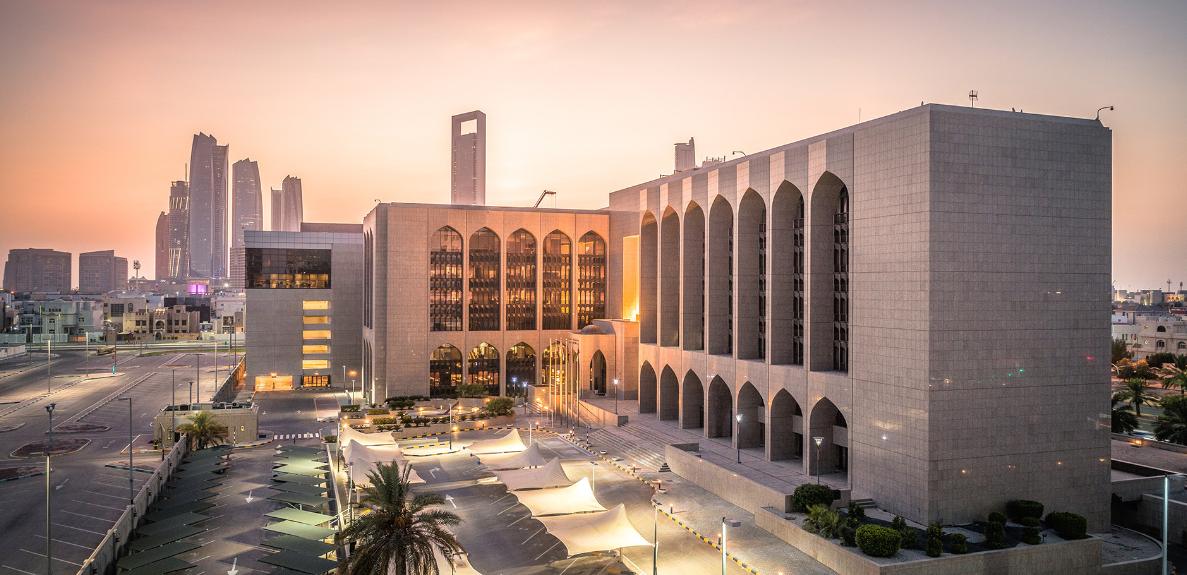
The Central Bank of the UAE raised its forecast for the growth of the UAE’s gross domestic product from 3.9% previously to 4% in 2024, supported by improved performance of the oil sector, with growth reaching 6% next year, 2025.
In the economic report for the second quarter of this year, issued today, the Central Bank expected the non-hydrocarbon economy to grow by 5.2% in 2024, rising to 5.3% in 2025, while it expected the hydrocarbon economy to grow by about 0.7% this year, rising to 7.7% next year.
He pointed out that the tourism, transportation, financial services, insurance services, construction, real estate and communications sectors continue to support growth expectations in the UAE economy, while current levels of oil production partially adjust overall growth during the current year.
The Central Bank expected the momentum in the hydrocarbon sector to continue next year, with hydrocarbon production expected to rise significantly, noting that the expected rapid decline in interest rates in major advanced economies would boost global demand and encourage capital flows to emerging markets, including the UAE.
The Central Bank stated that the non-hydrocarbon GDP recorded a growth of 4% year-on-year in the first quarter of this year and expected it to remain strong in 2024 and 2025 thanks to the strategic plans and policies adopted by the government to attract foreign investments and support the growth of activities that contribute the largest to the non-oil GDP and the ongoing structural measures such as 100% foreign ownership of companies and tax reforms.
The Central Bank explained that the financial balance for the first quarter of this year remained positive at 23.5 billion dirhams, equivalent to 4.9% of the gross domestic product, compared to about 23.2 billion dirhams or 5.1% of the gross domestic product in the first quarter of 2023.
Consolidated budget revenues increased in the first quarter of this year by 4.3% year-on-year to reach AED 120.6 billion, or 24.9% of GDP. This growth was mainly driven by a 32.5% year-on-year increase in tax revenues.
The Central Bank pointed out that the financial situation in the country has become more stable, as is evident in the increasing share of tax revenues in total revenues, which rose from 45.8% in the first quarter of 2022 to 70% in the first quarter of 2024. This shift is largely attributed to the corporate tax that was imposed recently.
According to the Central Bank’s report, government expenditures in the first quarter amounted to a total of AED 97.1 billion, or 20% of GDP, reflecting a 5% increase year-on-year. Key expenditure categories, including employee compensation (AED 30.3 billion), use of goods and services (AED 25.9 billion), and social benefits (AED 16.8 billion), increased by 6.3%, 15.2%, and 3.4% year-on-year, respectively. Capital expenditures also witnessed a significant increase of more than 7 times, reaching AED 5.6 billion.
The Central Bank pointed out that indicators reveal an expansion in economic activity in the non-oil private sector, as the country’s Purchasing Managers’ Index reached 53.7 last July, against the backdrop of continued business confidence in economic expectations. This optimism is based on expectations of continued strength in demand and sales, which are expected to support steady growth in production. In addition, new initiatives and investments expected to contribute to these future prospects.
The Central Bank indicated that the number of employees covered by its wage protection system remained almost constant on an annual basis in June, while the average monthly salaries of employees increased by 4.8% on an annual basis. These positive readings related to employment and wage growth indicate strong domestic consumption and sustainable growth in GDP in the future periods.
The Central Bank noted that the 16 non-oil sectors continued their strong growth in the second quarter of this year, albeit at a more moderate rate, and wholesale and retail trade, manufacturing and construction continued to be some of the main pillars of the expansion of the non-oil sector.
Various comprehensive economic partnership agreements and visa procedures have increased trade volumes and the number of transactions, while the manufacturing sector has continued to attract greater levels of foreign direct investment and has expanded in line with the “300 billion” project, while the construction sector has seen growth with several new infrastructure projects implemented and under construction such as Etihad Rail and Dubai Creek Harbour.
Follow our latest local and sports news, and the latest political and economic developments via Google News
