
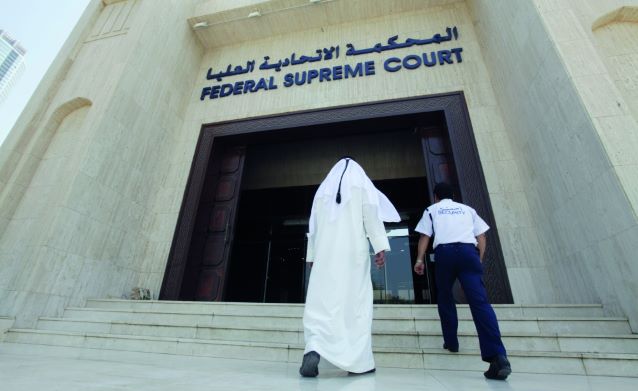
The Federal Supreme Court rejected the appeal of a divorced woman with three daughters, against a ruling that rejected the increase in alimony, as it confirmed that taking into account the income of her divorced woman, the absence of any apparent money, and his earning nothing except from his job and his salary, which does not exceed 37 thousand and 300 dirhams, with the expenses of his second wife’s home and debts. Which burdened him and the expenses of the girls.
In the details, a divorced woman filed a lawsuit demanding that her ex-husband be obligated to increase expenses for her and her three daughters. In return, her divorced woman filed a cross-suit in which he affirmed his request to reduce alimony due to the difficult circumstances he is going through as he is married to another woman, burdened with debts, and has no income other than his salary, which did not change with his request. Subsequently, his divorced woman lost custody of two of his daughters.
The Court of First Instance ruled to reject the original and counterclaims, and the Court of Appeal upheld the first ruling except for what related to custody fees. The plaintiff appealed the ruling, explaining that it violated the law regarding determining expenses and their ancillaries without taking into account the defendant’s income.
For its part, the Federal Supreme Court rejected the appeal, stressing that the husband is responsible for the task of supporting his family members as he is responsible for its material, moral, economic and financial affairs, and that alimony, as specified in Article 63 of the Personal Status Law, includes alimony, food, clothing, housing, medicine, and service for the wife if she is Whoever serves her family, what is required of reasonable marital relations, and what is considered necessities and education for the children, taking into account the alimony coverage of housing costs. The child in custody, custody fees, childbirth expenses, postpartum expenses, the aqiqah, and expansion of the family during the holidays.
She pointed out that it is stipulated in the Personal Status Law that alimony may be increased or decreased depending on changing circumstances, and a claim for an increase or decrease shall not be heard before one year has passed since the imposition of alimony except in exceptional cases, and that the increase or decrease in alimony is calculated from the date of the judicial claim, and there is no court supervisor. The issue is as long as it bases its ruling on justifiable reasons sufficient to support it after being aware of the conditions of the parties, whether they are easy or difficult, the economic and social situation in time and place, and other related circumstances.
It concluded that the appeal ruling took into account the previous legal rules that it applied to the reality presented before it based on an understanding of the reality and legal knowledge after reviewing the defenses of the two parties, then it reached a result that is compatible with the tolerant Islamic Sharia and the law regarding expenses and their consequences and on reasons that have their specificity established in the case file and consistent with the provisions. The noble Islamic Sharia and the law, taking into account the income of the defendant father, the absence of any apparent money, and his only earning from his job and his salary, which does not exceed 37 thousand. And 300 dirhams, along with other household expenses, the debts that burdened him, and maintenance for the three daughters.
Follow our latest local and sports news and the latest political and economic developments via Google news
