
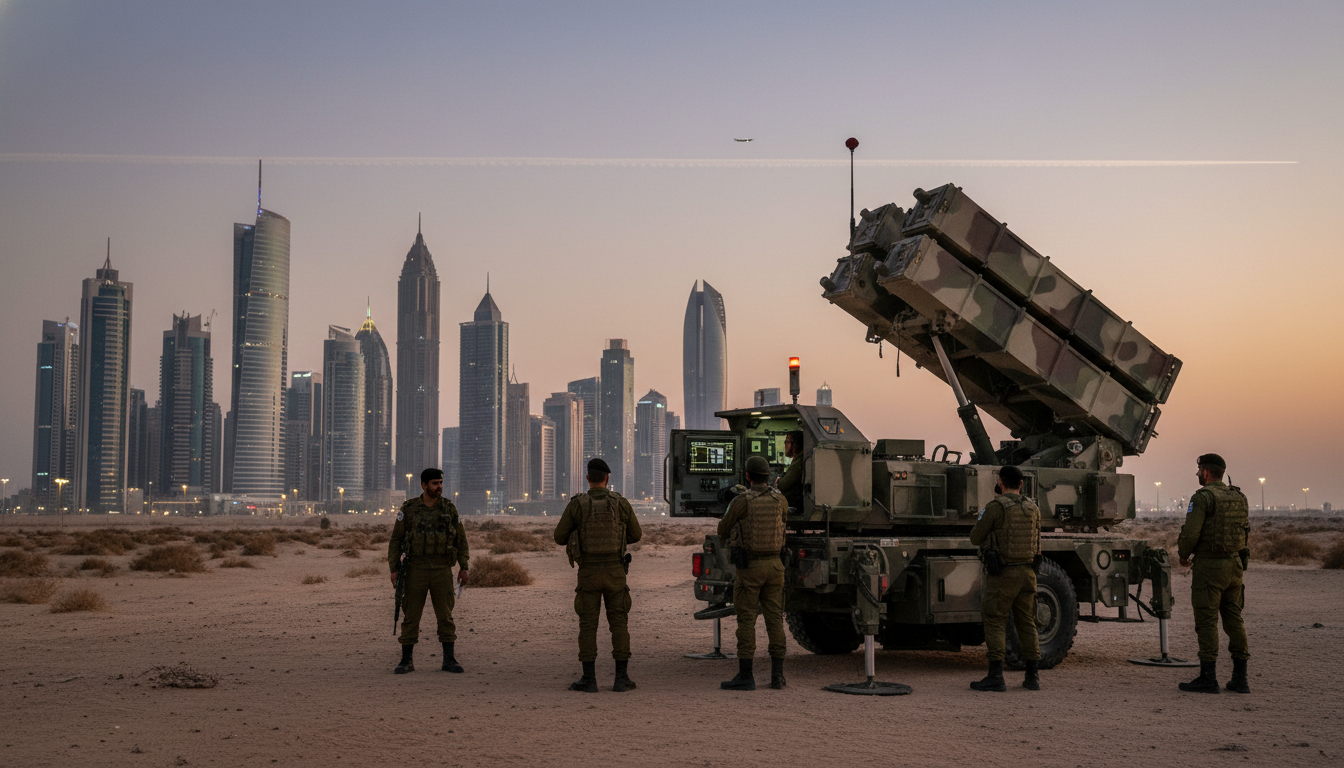
Iron Dome deployed in UAE as Israel sends systems and crews amid Iran war
Israel deployed Iron Dome systems in the UAE and Israeli crews operated them during the Iran war, an unprecedented defence step signaling regional realignment.
The Iron Dome deployed in UAE, according to two people with direct knowledge, as Israeli forces moved to bolster Emirati air defences during the conflict with Iran. The deployment — first reported by Axios and described to news outlets by anonymous sources — represents a rare, overt security cooperation between Israel and an Arab state since normalization in 2020. Israeli and Emirati officials have not publicly confirmed the placement of the system, leaving key details unacknowledged by the governments involved.
Sources say Iron Dome deployed in UAE
Two people familiar with the arrangement told reporters that Israeli military personnel traveled to the Emirates to install and operate the short-range missile defence system. The description provided to journalists emphasized sensitivity, with both individuals speaking on the condition of anonymity because of the classified nature of the deployment. If confirmed, the move would mark the first time Iron Dome has been based on the territory of an Arab country.
Israeli crews reportedly operated the system
According to the accounts, Israeli soldiers were present in the UAE to run the batteries rather than simply delivering equipment for local crews to use. That hands-on involvement underscores the operational complexity of the Iron Dome system and the level of trust required for such an arrangement. Officials from Israel’s defence ministry and the Emirati foreign ministry declined to comment when approached, maintaining public silence on operational details.
Scale of attacks on UAE that prompted move
The deployment follows a period of intense strikes directed at Gulf states hosting U.S. military assets after the U.S.-Israeli offensive against Iran began on February 28. Emirati authorities previously reported that their air defences engaged nearly 3,000 missiles and drones during the campaign, and analysts say the UAE absorbed more incidents than its regional neighbours. The attacks caused civilian casualties and damaged infrastructure, heightening Abu Dhabi’s urgency to augment its layered air-defence posture.
Iron Dome’s capabilities against short-range threats
Designed to intercept short-range rockets, artillery and mortar fire, Iron Dome has been a central element of Israel’s defence against rocket barrages in conflicts with Hamas and Hezbollah. Its radar and interceptor arrangement allow the system to determine which incoming threats will endanger populated areas and to engage selectively, conserving interceptors. However, some targets cited by Emirati officials, including Iranian-made Shahed-136 drones, have occasionally proven difficult to track and defeat, prompting a push for additional protective measures.
Diplomatic context and fast-developing security ties
The UAE was the first Gulf state to normalise relations with Israel under the Abraham Accords in 2020, a breakthrough that opened diplomatic and security channels that were previously closed. The apparent decision to host Israeli air-defence assets reflects how those channels have deepened into practical cooperation on threats perceived as immediate and shared. At the same time, the move illustrates Abu Dhabi’s willingness to pursue an independent security course that can diverge from traditional regional alignments.
Regional implications and strategic signalling
Experts say the deployment sends a signal throughout the Gulf about shifting security calculations and the UAE’s readiness to partner with Israel on defence matters despite lingering public sensitivities across the Arab world. The decision may complicate Abu Dhabi’s ties with neighbours that remain cautious about public cooperation with Israel, and it could reverberate in Riyadh and other capitals weighing their own security partnerships. The transfer of a high-profile system like Iron Dome — even temporarily — also communicates deterrence to actors who have targeted Gulf infrastructure in recent months.
The exact duration, location and technical configuration of the Iron Dome presence in the Emirates remain unclear, and official confirmation from either capital has not been forthcoming. As the situation evolves, defence analysts will watch for further signs of equipment transfers, joint exercises or expanded training that could indicate a more permanent security relationship. Continued reporting and statements from the involved ministries are expected to clarify whether the deployment is an emergency, short-term measure or the start of a longer-term strategic arrangement.
