
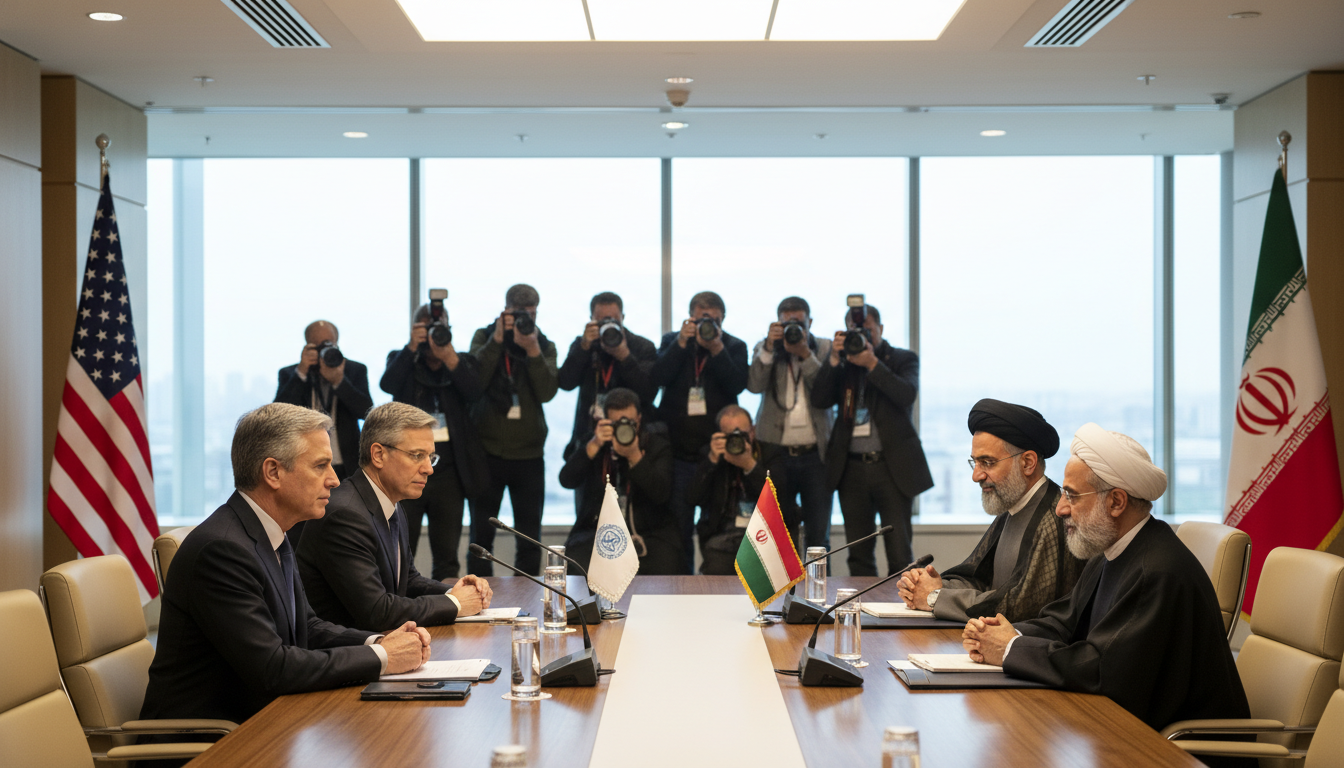
U.S.-Iran talks in Doha continue amid strikes and disputes over nuclear terms and Strait of Hormuz access
U.S.-Iran talks in Doha proceed amid U.S. strikes and disputes over the Strait of Hormuz and Iran’s enriched uranium, while mediators press for a cease-fire.
The U.S.-Iran talks in Doha have continued even as officials from both nations played down expectations of an immediate breakthrough and U.S. forces carried out strikes tied to recent regional attacks. Negotiators are reported to be working toward a framework that would end the fighting and reopen the Strait of Hormuz, a crucial route for global oil and gas shipments. Despite progress in shuttle diplomacy, major gaps remain on nuclear safeguards, asset releases and enforcement mechanisms that could determine whether a formal agreement is finalized.
Delegations meet in Doha amid cautious timelines
Senior Iranian envoys arrived in Doha this week to engage in shuttle diplomacy mediated by Qatar, and U.S. officials have signaled that negotiations could take several days to resolve specific wording. Qatar is acting as the immediate mediator, hosting talks that participants describe as detailed and technical rather than celebratory. Both sides have emphasized the need for careful language, underscoring that any interim understanding will likely require further rounds of negotiation before becoming binding.
U.S. military strikes reported during negotiations
While talks were ongoing, U.S. Central Command said American forces struck missile launch sites in Iran and boats attempting to emplace mines, characterizing those actions as defensive measures. U.S. officials framed the strikes as responses to threats against personnel and shipping, even as negotiators pursued a diplomatic pathway to end hostilities. The timing of the operations added urgency to the discussions, illustrating the fragility of any emerging deal and the risks of simultaneous military and diplomatic activity.
Contrasting accounts on nuclear provisions and frozen assets
A central source of friction is how to handle Iran’s highly enriched uranium and what verification steps would follow any pause in hostilities. U.S. officials have said they are not prepared to unfreeze Iranian assets immediately, but indicated a willingness to begin releasing funds if Tehran relinquishes its most enriched uranium stocks. Iranian spokespeople and unnamed senior officials, by contrast, have described a memorandum that would include the lifting of a U.S. naval blockade and the release of significant frozen assets, a claim that the Americans have contested. These divergent public descriptions have raised questions about whether the same document is under negotiation by both parties.
Dispute over reopening the Strait of Hormuz and transit terms
Reopening the Strait of Hormuz is central to the emerging talks because Iran’s actions in the waterway have effectively restricted international shipping. U.S. negotiators have stated that reopening the strait would not involve new transit tolls, a point at odds with earlier Iranian suggestions that charging transit fees might be on the table. Iranian officials have given mixed signals about whether they would pursue fees, and technical details about maritime security, mine clearance and the timetable for restoring commercial passage remain unresolved in the draft discussions.
Regional and domestic political reactions to the possible deal
The potential agreement has drawn sharp reactions across the region and within the United States. Key U.S. lawmakers and Iran hawks have criticized the emerging framework as insufficient to prevent Iran from developing nuclear weapons or curbing its missile capabilities. Israeli leaders have expressed concern that the package could fall short on dismantling or constraining Iran’s strategic programs, while Hezbollah figures framed any cease-fire as a political victory for Tehran. Public statements from Iran’s supreme leader warned that U.S. bases in the region would no longer be secure, signaling Tehran’s intent to project deterrence even as it negotiates.
Outstanding verification, missile and timeline challenges
Even if negotiators reach an interim political understanding, significant technical questions would need to be addressed before any cease-fire could be certified. These include mechanisms for disposing of or removing highly enriched uranium, the duration and enforceability of any enrichment moratorium, and whether external parties such as international agencies would supervise compliance. The deal under discussion reportedly does not yet resolve Iran’s missile inventory, an issue that remains a priority for Israel and other regional actors. U.S. officials stressed that the exact timeline for restrictions is less important than robust verification and enforcement provisions.
Diplomats involved in the Doha talks say a combination of detailed language, external monitoring and linkage between security guarantees and economic measures will determine whether a fragile understanding can become a durable accord. As negotiators continue to trade text and technical proposals, the parallel presence of military strikes and strong political reactions highlights how quickly diplomatic openings can be tested. The coming days are likely to reveal whether the emerging framework can bridge the substantive gaps on nuclear material, maritime access and asset release, or whether negotiators will return to capitals to recalibrate their positions.
