
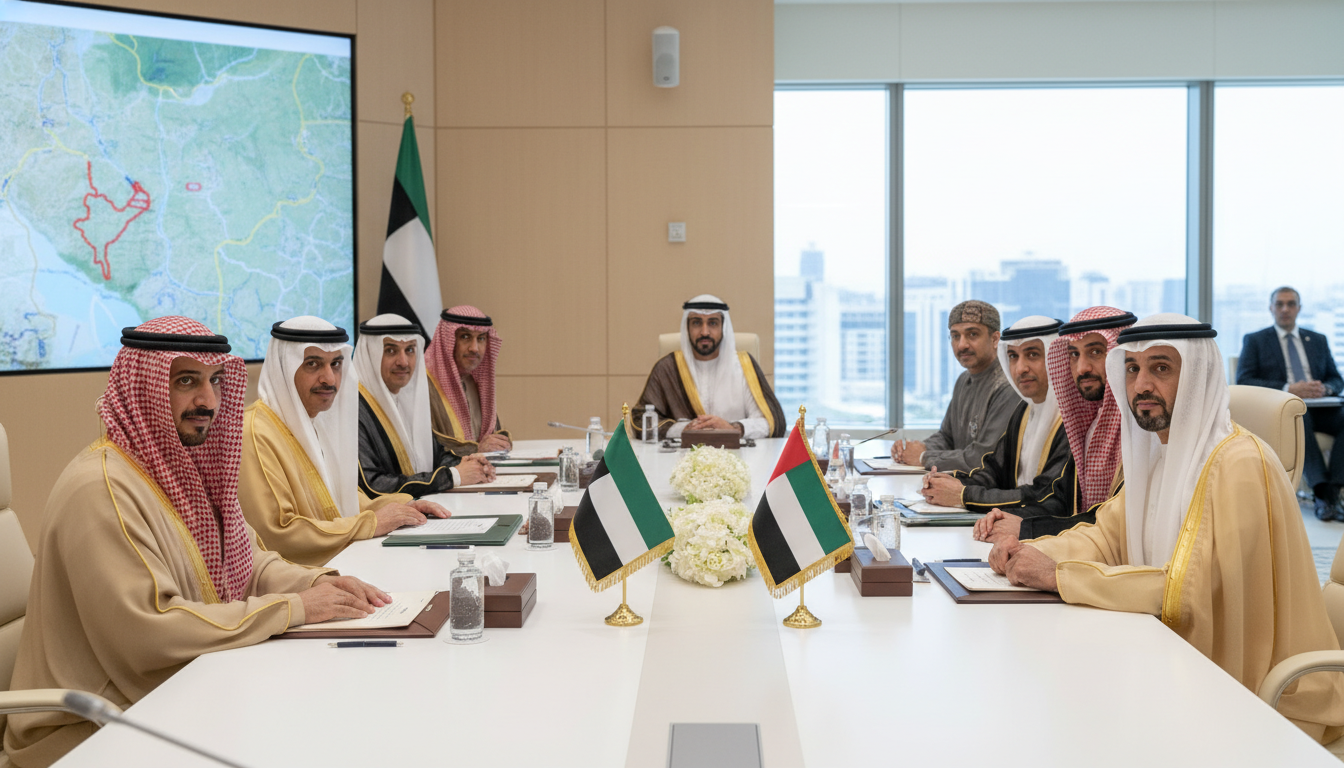
Kuwait Praises UAE Security Agencies for Dismantling Terrorist Cell and Arresting Suspects
Kuwait praises UAE security agencies after Abu Dhabi-led forces dismantled a terrorist organisation, arresting members accused of planning attacks and undermining national unity.
Kuwaiti Foreign Ministry Commends UAE Security Operation
The Kuwaiti Foreign Ministry issued a formal statement expressing appreciation for the efficiency and vigilance of UAE security forces in dismantling the group and apprehending its operatives. The ministry said the suspects were involved in activities intended to threaten national cohesion, plan violent acts and communicate with external actors in ways that violated UAE sovereignty.
Kuwait’s statement emphasized strong diplomatic support for the UAE and framed the arrests as a decisive action to protect domestic stability and public safety. Officials highlighted the importance of robust security measures in pre-empting plots that aim to destabilize societies in the region.
Details of the Alleged Plot and Arrests
According to the Kuwaiti statement, the individuals taken into custody had been implicated in planning both terrorist and sabotage activities. The ministry described contact between those arrested and external entities as a serious breach of the UAE’s security and sovereignty.
While Kuwait praised the outcome, it did not provide operational details such as the number of arrests or the locations of the raids. The UAE has historically kept investigative specifics confidential until formal charges are filed or official case summaries are released by competent authorities.
Kuwait Condemns Terrorism and Reaffirms Solidarity
Kuwait reiterated its complete rejection of all forms of terrorism and extremism in the statement, condemning those who sponsor or support such networks. The country pledged full solidarity with the UAE and pledged to back measures aimed at preserving national security and sovereignty.
The ministry’s language framed the matter as not only a bilateral concern but as part of a broader regional struggle against violent extremism. Kuwait’s public stance underscores an ongoing diplomatic trend of condemning destabilising activities while supporting partner states’ legal and security responses.
Regional Implications and Security Cooperation
The Kuwaiti reaction signals continued alignment among Gulf states on counterterrorism priorities and mutual support for internal security measures. Shared condemnations and offers of assistance are common diplomatic tools used to reinforce collective resilience against transnational threats.
Cooperation on intelligence-sharing, border security and law enforcement coordination remains central to regional counterterrorism efforts. Statements like Kuwait’s also serve to reassure audiences — both domestic and international — that governments are united in confronting threats that target social cohesion and stability.
UAE Sovereignty and Legal Measures
Kuwait’s praise highlighted that the alleged activities represented a “grave violation” of UAE sovereignty, emphasising the legal right of the state to protect its territory and citizens. The response supports the UAE’s prerogative to take necessary measures under national law to investigate, detain and prosecute individuals suspected of terrorism-related offences.
Legal proceedings and transparency in handling such cases will likely follow national judicial processes, balancing security imperatives with rights protections. Observers note that clear legal steps and timely public communication can strengthen public confidence and deter further attempts to exploit societal fault lines.
Public Messaging and Preventive Security Posture
Kuwait’s statement also functions as a public message discouraging support for extremist activities and reaffirming regional norms against violence. By naming the security action and voicing full support, Kuwait contributes to a narrative of prevention and deterrence that complements on-the-ground security operations.
Authorities across the Gulf have increasingly combined enforcement with community engagement and counter-radicalisation measures to address root causes. Such multifaceted approaches aim to reduce recruitment to violent movements and weaken networks that attempt to exploit political or social tensions.
The supportive diplomatic response from Kuwait follows a pattern of Gulf states coordinating public positions on security incidents, reinforcing mutual commitment to stability and the rule of law. The joint messaging underscores the regional priority of safeguarding national unity and preventing external interference in internal affairs.
