
Trump says US will not withdraw early from confrontation with Iran amid reported Pakistan talks
Trump says US will not withdraw early from confrontation with Iran and rejects Tehran’s offer; Wall Street Journal reports Iran signaled readiness for talks in Pakistan.
Strong White House stance on withdrawal
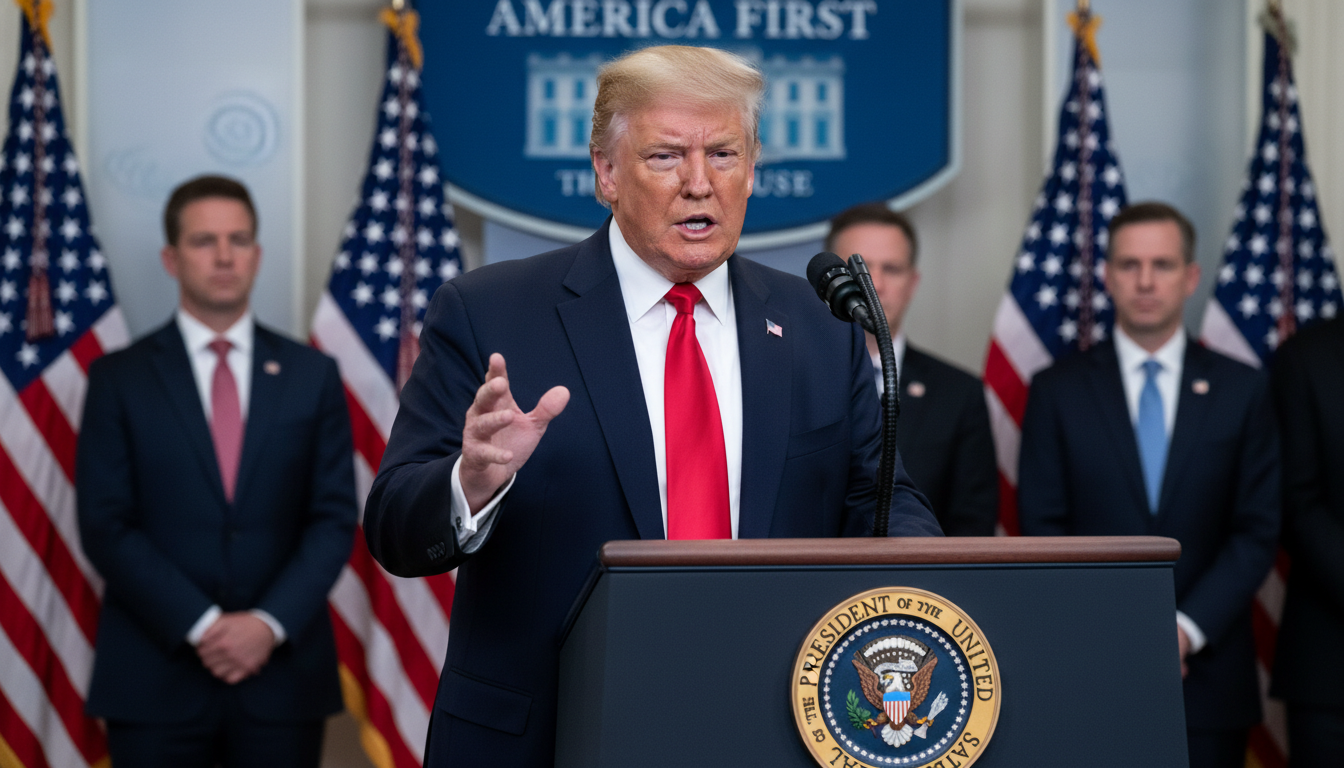
President Trump said on Friday that the United States will not step back prematurely from its confrontation with Iran, arguing that a short-term pullback would only allow the conflict to re-emerge later.
He framed the decision as a strategic choice to prevent the reappearance of a larger crisis after a temporary lull.
Trump also warned that concessions that fall short of major Iranian demands would be insufficient, and he reiterated that Washington will block Tehran from acquiring a nuclear weapon.
The president noted uncertainty within Iran’s leadership as complicating any negotiations and said that clarity on who speaks for Tehran matters for diplomacy.
Administration labels Iran’s proposal inadequate
White House officials and the president described the recent Iranian proposal as falling short of US demands, saying it did not address core security concerns.
US sources indicated that any acceptance would require clear, verifiable steps on both nuclear limits and regional behavior.
The administration emphasized that statements of intent from Tehran will not substitute for binding commitments and transparent verification mechanisms.
Officials stressed that past cycles of engagement and retrenchment informed their insistence on durable safeguards before altering military postures.
Wall Street Journal: Iran open to talks in Pakistan
The Wall Street Journal reported that Iran told intermediaries it could be prepared to hold talks in Pakistan as soon as early next week, provided the United States shows openness to Tehran’s new proposal.
According to the report, mediators received a signal from Tehran indicating willingness to discuss terms, but concrete agreement on timing and venue remained unresolved.
US and Iranian positions, the report added, still diverge sharply on key issues, suggesting that an initial Pakistani venue would be only the start of a complex bargaining process.
Observers noted that choosing Pakistan as a potential host underscores the role regional intermediaries continue to play in trying to bridge the diplomatic gap.
Standoff centers on Strait of Hormuz and nuclear program
Diplomats say the most intractable disagreements involve control and security of the Strait of Hormuz and the scope of Iran’s nuclear activities.
Washington seeks assurances that commercial navigation and regional security will not be jeopardized, while Tehran prioritizes lifting constraints it says hinder its economy and sovereignty.
On the nuclear file, US negotiators have demanded verifiable rollbacks and long-term restrictions, while Iranian proposals reportedly aim for more limited concessions.
The mismatch in red lines leaves little common ground without third-party verification and phased confidence-building measures, analysts say.
Role of mediators and regional actors
Regional states and third-party mediators have signaled readiness to host or facilitate talks, offering diplomatic channels that both sides might use to de-escalate tensions.
Pakistan’s potential involvement highlights Islamabad’s longstanding ties in the region and its capacity to convene parties wary of direct bilateral engagement.
Other Gulf states and European partners have quietly encouraged restraint, pushing for measured diplomacy to avert wider disruption to trade and energy markets.
Those actors are likely to press for procedural steps such as pre-negotiation confidence measures and observer access if formal discussions begin.
Security risks and economic stakes for the Gulf
Any renewed confrontation risks immediate effects on shipping, insurance costs and investor confidence across the Gulf, where trade routes converge.
Prolonged uncertainty could push energy prices higher and prompt businesses to reassess supply chains that run through the Strait of Hormuz.
Military postures on both sides carry the chance of miscalculation, officials warn, underscoring the importance of clear communications and incident-avoidance mechanisms.
For Gulf states, the priority remains safeguarding commerce while encouraging diplomatic exits from escalation that could imperil broader regional stability.
The coming days will test whether Tehran’s reported willingness to meet in Pakistan can overcome the substantive gaps Washington has outlined and produce a framework that limits nuclear development while protecting regional maritime security.
