
U.S. Intelligence Warns Cuba Has Over 300 Military Drones, Discussed Strikes Near Guantánamo
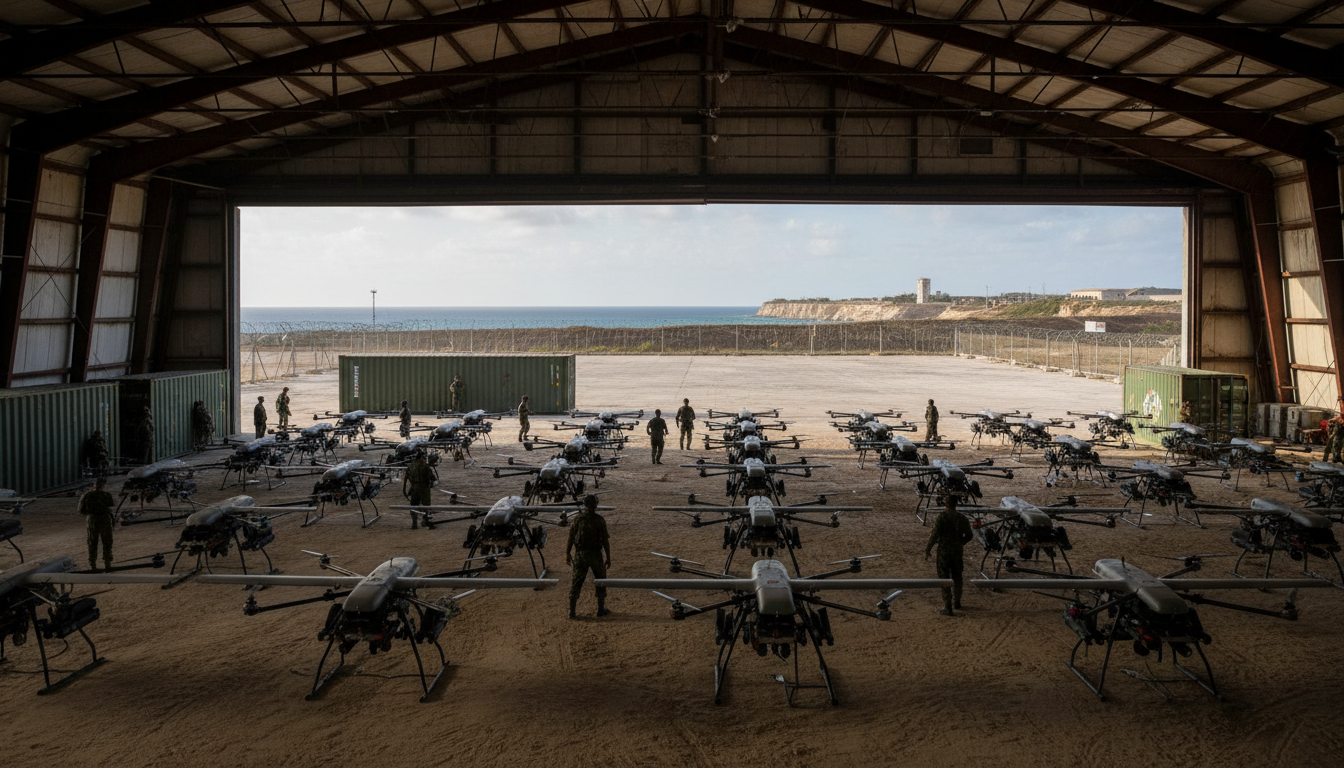
A classified U.S. intelligence report says Cuba has amassed more than 300 military drones and has discussed plans to use them against the U.S. base at Guantánamo, naval vessels and nearby Florida targets. The report, reviewed by Axios, raises fresh concern in Washington about the growing Cuba drones capability and the island’s ties to adversaries such as Russia and Iran. U.S. officials say the proximity of Havana — about 90 miles from Key West — makes the developments particularly sensitive.
Classified report details drone numbers and potential targets
A U.S. intelligence assessment reviewed by Axios concludes Havana has acquired in excess of 300 unmanned military aircraft and stored them at strategic sites across the island. The document says Cuban planners have discussed contingency scenarios in which those drones could be employed against the Guantánamo Bay naval base, U.S. warships and even targets in southern Florida. Intelligence reviewers emphasize these discussions are contingency planning rather than evidence of an active plot to launch imminent attacks.
CIA director’s warning and U.S. diplomatic pressure
In response to the intelligence, the U.S. sent a senior intelligence delegation to Havana, where the delegation delivered a stern warning to Cuban authorities about any participation in hostile operations. A senior U.S. official told Axios the visit underscored Washington’s unease with the combination of advanced drone systems and foreign advisers on the island. U.S. officials have also signalled stepped-up diplomatic pressure and the prospect of further measures if Cuba continues to host activity that threatens American interests.
Justice Department moves and possible sanctions
U.S. law enforcement action is moving in parallel with the intelligence response, with officials preparing a high-profile indictment related to the 1996 downing of a civil rescue aircraft. The Justice Department is expected to announce charges and a new package of sanctions tied to historical acts and recent behaviour, according to U.S. sources. Washington says those measures are designed to deter Cuba from serving as a platform for hostile actors and to hold accountability for past acts against U.S. citizens.
Arms links with Russia and Iran deepen concerns
The intelligence assessment points to increased arms transfers and technical support from Russia and Iran, with purchases of armed drones and related systems beginning in 2023. U.S. analysts note shipments of varied-capability systems and the presence of advisors helping Havana operate and potentially integrate the technology. Officials also report sophisticated Russian and Chinese signals and intelligence facilities on Cuban soil, complicating the security picture in the Western Hemisphere.
Combat experience from Ukraine and Iranian tactics influence Havana
U.S. analysts say combat exposure in Ukraine has contributed to Cuba’s evolving tactics, with an estimated contingent of Cuban fighters having served alongside Russian forces and returning with frontline lessons. That experience, coupled with Iranian expertise in employing swarms of armed drones, is seen as informing Cuban planning and training. Washington officials warn the combination of battlefield lessons and foreign support increases the range of threats U.S. forces must prepare to counter.
U.S. threat assessment: contingency planning, not imminent attack
Despite alarm over capabilities and partnerships, U.S. intelligence does not assess an immediate, high likelihood of an attack originating from Cuba. Analysts describe the current posture as precautionary contingency planning that would be activated only if relations deteriorated or Havana hosted overtly hostile operations. Nevertheless, officials stress the geographic proximity of Cuba — roughly 90 miles from Florida — magnifies the strategic risk and requires sustained monitoring and readiness.
Regional implications and diplomatic fallout
The revelations arrive amid a broader deterioration in Cuba’s finances and political ties, and they risk deepening regional tensions at a sensitive moment. U.S. policymakers say increased coordination between Havana, Moscow and Tehran could prompt new rounds of sanctions and diplomatic isolation if steps are not taken to roll back threatening activities. Regional partners and U.S. military planners are watching closely for changes in deployment patterns, training activity and evidence of weapons transfers.
The U.S. intelligence community says it will continue to track deliveries, training and command-and-control links involving Cuban drone units, and that Washington stands ready to escalate measures should those indicators point toward a shift from planning to operational use.
