
U.S. sanctions on Cuba expanded by executive order targeting security, energy and finance
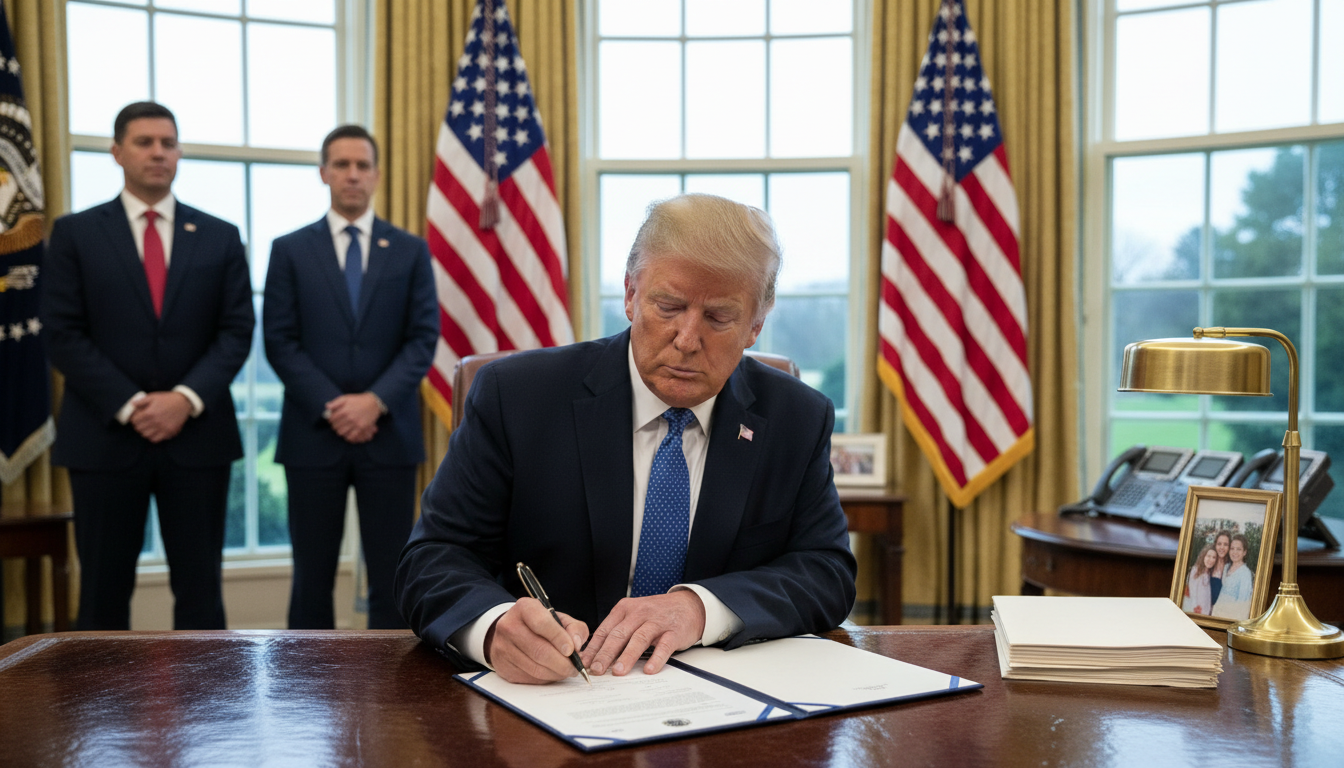
U.S. President Donald Trump signed an executive order expanding U.S. sanctions on Cuba, targeting individuals and entities tied to Havana’s security apparatus and key economic sectors.
White House says president signed order broadening sanctions
Two White House officials confirmed that President Donald Trump signed the executive order on Friday, expanding the reach of U.S. sanctions on Cuba amid rising tensions in the region.
The order is aimed at individuals, entities and affiliates that support Cuba’s security forces, engage in corruption or commit serious human rights abuses.
Officials described the move as part of a broader U.S. effort to increase pressure on Havana following recent events in Venezuela.
Sectors and actors singled out by the order
The executive order authorises sanctions on a wide range of actors tied to the Cuban state, from security personnel to business networks that generate revenue for the government.
It explicitly covers operations in energy, defence, materials and related industries, as well as metals, mining, financial services and security activities within the Cuban economy.
Authorities say the measure can reach any foreign person or entity that is active in those sectors and deemed to be supporting the Cuban government’s security or economic interests.
New scope includes secondary sanctions and extraterritorial measures
Officials noted the executive order allows for secondary sanctions on third parties that facilitate transactions with designated Cuban targets.
That authority gives Washington the power to penalise foreign companies, intermediaries or financial institutions that continue business with sanctioned Cuban entities.
Analysts say the extraterritorial element is designed to deter international firms from maintaining relationships that bolster Cuban security services or revenue streams tied to the regime.
Human rights and corruption cited as central justifications
The administration framed the expansion as a response to alleged human rights violations and systemic corruption linked to the Cuban security apparatus.
Targets will include those directly implicated in abuses, as well as individuals and organisations that enable or profit from such conduct.
Officials emphasised that accountability for human rights and corruption sits at the heart of the policy shift.
Regional fallout and links to Venezuela
The order comes amid heightened U.S. focus on the political crisis in Venezuela and concerns about Cuba’s role in the region.
Officials said the measures were intended in part to punish support networks that have assisted regional actors perceived as undermining democratic norms.
Observers warn the sanctions could deepen diplomatic rifts and complicate efforts to coordinate regional responses to instability.
Economic and diplomatic implications for international actors
Companies operating in energy, mining, defence-related supply chains or financial services should reassess exposures to Cuban counterparties, lawyers and compliance specialists said.
Banks and payment processors outside the United States may face secondary sanctions risk if they process transactions tied to newly designated Cuban entities.
Governments and multinationals will likely seek clarifications about the order’s practical application and any available licences or carve-outs for legitimate humanitarian or commercial activities.
Possible impact on humanitarian and commercial flows
Humanitarian groups and trade bodies have warned that broad sanctions can unintentionally impair legitimate assistance and private-sector activity.
Officials responding to these concerns indicated the administration may provide guidance on exemptions, though details on licences or narrow exceptions were not specified.
Trade analysts said the threat of punitive action alone can prompt banks and service providers to curtail or halt transactions, even where legal exceptions exist.
The executive order marks a substantial escalation in U.S. policy toward Cuba by widening the categories of people and sectors subject to sanction.
Its success in changing behaviour will depend on enforcement, the willingness of foreign partners to comply with secondary measures, and the wider geopolitical dynamics in the Western Hemisphere.
For now, businesses, governments and humanitarian organisations are weighing the order’s immediate risks and seeking clarity on its practical implications.
The policy shift underscores a continued U.S. emphasis on leveraging economic tools to influence foreign governments and counter activities Washington views as harmful to regional stability.
