
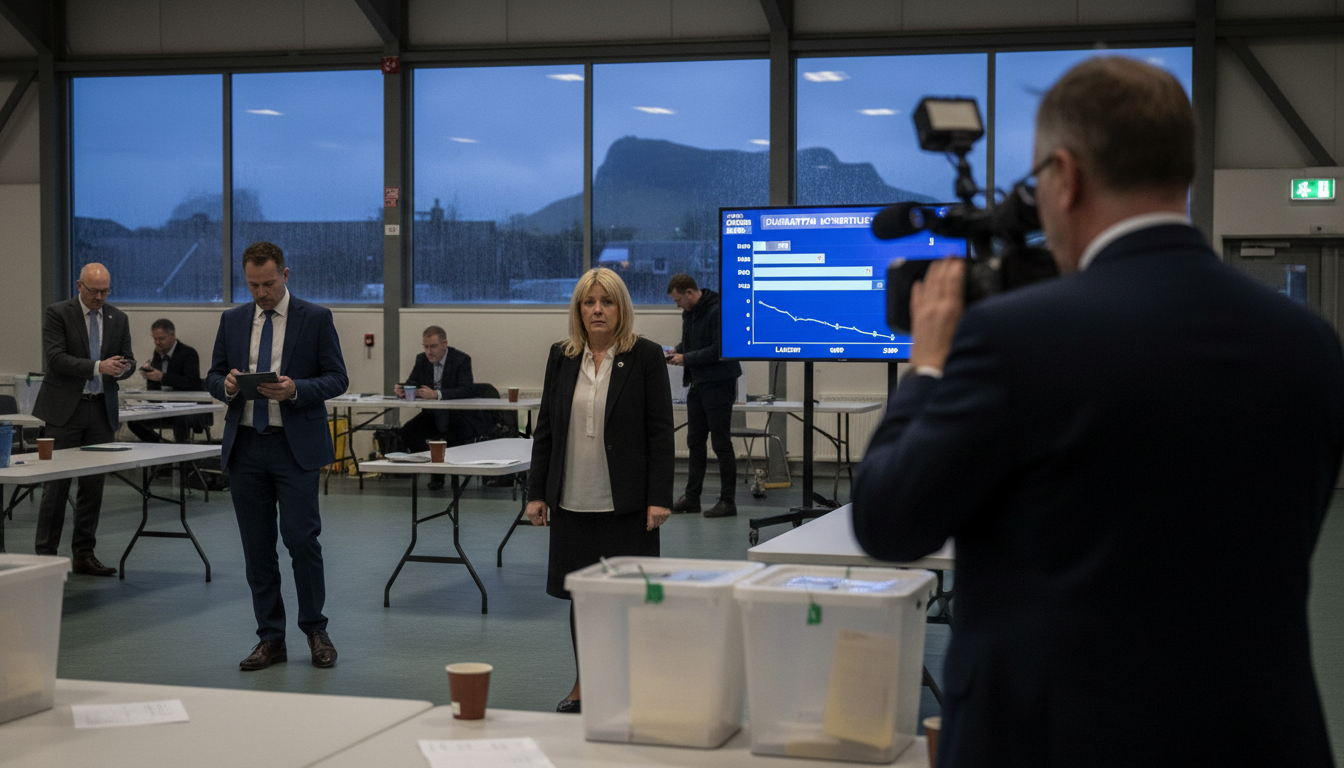
UK local elections threaten Labour strongholds as Reform and Greens surge
UK local elections put Labour on the defensive as Reform U.K. and Greens gain across Scotland, Wales and England, signaling a political realignment now.
The UK local elections have turned into a potential watershed for Britain’s political landscape, with long-standing Labour bastions facing serious challenges and smaller parties making unexpected advances. Voter discontent over cost of living, public services and immigration has translated into protest votes that could reshape councils and devolved parliaments across Scotland, Wales and England. Long-serving incumbents are vulnerable as Reform U.K., the Green Party and regional nationalists pick up momentum in different areas.
Historic test for Labour in Scotland and Wales
In Scotland and Wales the elections are being read as a referendum on Labour’s recent performance, with several veteran representatives confronting unprecedented opposition. In Dumbarton, a seat held for decades by a Labour member of the Scottish Parliament, residents spoke of frustration and a desire for change, emblematic of wider unease across former Labour heartlands. Polling and local campaign activity suggest the Scottish National Party and other challengers stand to benefit where Labour’s support has softened.
Wales is similarly volatile, with Plaid Cymru and Reform U.K. both vying to displace Labour in areas that once voted predictably for the party. Long-term loyalty has frayed in former industrial communities, where voters cite concerns about health, education and local services alongside national issues like immigration. Campaign rhetoric and ground operations from rival parties have intensified as both sides target working-class and suburban voters.
Voter disaffection driving protest voting
Across towns and cities, interviews with local residents reveal a common thread of disillusionment with mainstream politics, which is feeding support for alternatives. Many voters describe a sense that traditional parties promise improvements but fail to deliver tangible results in everyday services and cost pressures. That sentiment has manifested in a willingness to support independents, minor parties or newly prominent national movements in the councils and devolved parliaments up for election.
Pollsters report elevated levels of undecided and switch voters ahead of the count, a factor that can amplify swings in local contests. Analysts warn that protest voting is not uniform; it bifurcates, boosting different challengers in different communities depending on the dominant local grievance, from immigration to environmental concerns to crime.
Reform U.K. surge and its local appeal
Reform U.K. has made notable inroads in smaller towns and some southern and midland areas by focusing on immigration and policing, messages that resonate with voters concerned about rapid change and perceived gaps in service provision. Campaigners have emphasized law-and-order themes and local control, seeking to convert national-level polling strength into council seats and regional representation. Where the party’s message lands, it is drawing support away from both Labour and the Conservatives.
However, Reform’s appeal is uneven: in many urban and culturally distinct regions, including parts of Scotland and Wales, local voters express discomfort with the party’s leadership, rhetoric and connections to English-centric politics. That dynamic has limited Reform’s reach in areas where regional identity or progressive priorities remain dominant.
Green Party and left-leaning fragmentation in urban areas
The Green Party is making gains in metropolitan and university towns, where younger and progressive voters are prioritising environmental policies, public transport and housing reform. In parts of London and other cities, disillusionment with Labour’s centrism and its stance on international issues has pushed some traditional supporters to back the Greens. This has produced surprising upsets in local wards and animated debates over council budgets and urban planning.
The Greens’ rise underscores a broader fragmentation of the left, with votes that might once have consolidated behind Labour now dispersed among multiple alternatives. That fragmentation complicates Labour’s path to retaining control of key councils and can produce unexpected coalition arithmetic after the count.
Local services, budgets and public safety deciding many councils
For many voters the most immediate concerns are municipal: potholes, trash collection, library and youth services, and visible policing. These practical issues often determine council-level outcomes more than abstract party ideology. Where local authorities are judged to have under-delivered, incumbents of any party have faced steep losses. Campaigns have therefore focused heavily on promises to stabilise services and protect frontline provision.
Experts note that local government funding pressures and cabinet decisions made by incumbent councils have sharpened voter scrutiny. Candidates across the political spectrum have tailored messages to local priorities, which has increased the electoral significance of competent, credible local campaigning.
Wider implications for Labour leadership and British politics
A poor showing in the UK local elections would raise immediate questions about Labour’s strategy and leadership, particularly in regions where the party once held sustainable majorities. Internal debates and speculation about future leadership contests are likely to intensify if losses are severe, though party officials stress the distinction between local voting patterns and national general-election outcomes. Still, the scale of any setbacks will influence party morale and planning ahead of the next nationwide contest.
More broadly, the fragmentation exposed by these elections points to a realignment in British politics that may persist beyond a single electoral cycle. The rise of regional parties, issue-focused movements and populist challengers means established parties will need to recalibrate policies and outreach if they are to reclaim or defend their traditional voter bases.
The UK local elections have delivered a clear message from voters: many want tangible improvements in services and leadership that feels responsive to local concerns, and they are willing to vote beyond traditional party lines to get it.
