
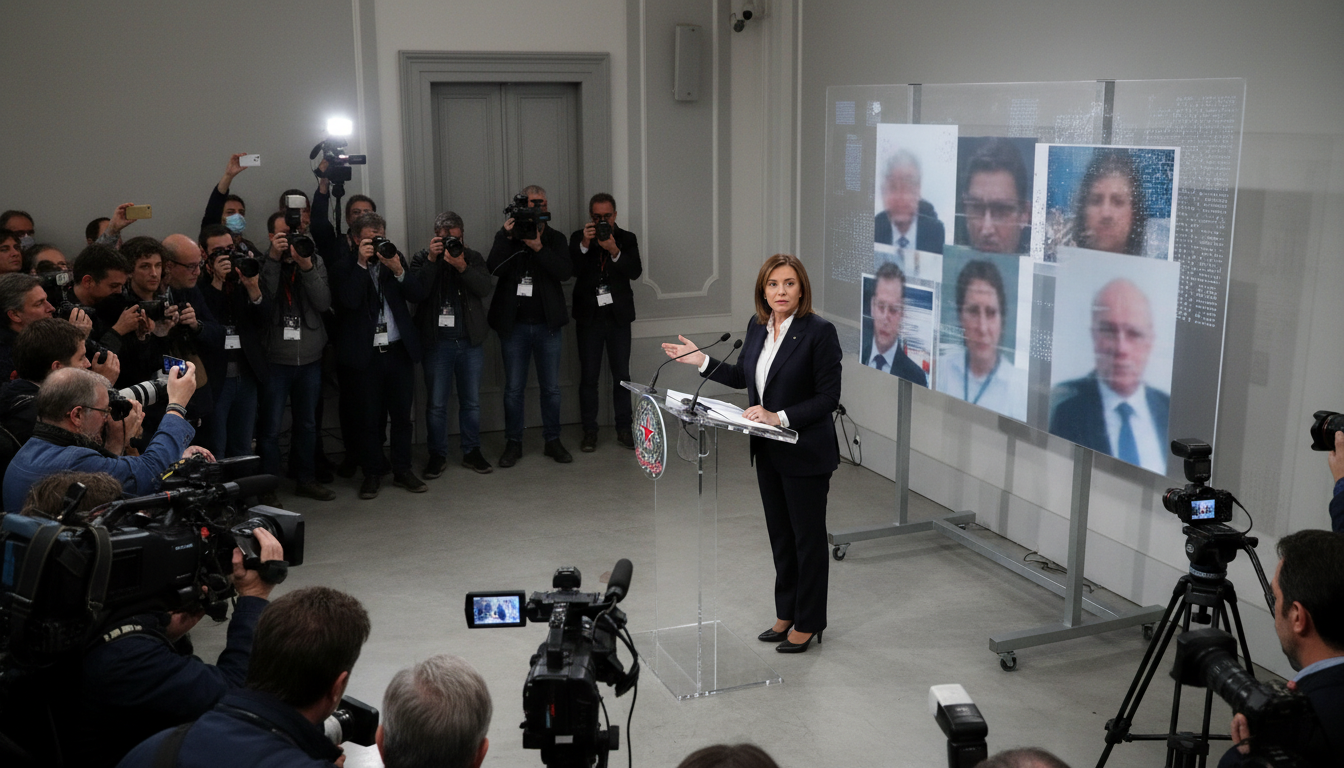
Meloni Condemns Viral Deepfake Images as Italy Moves to Tighten AI Rules
Giorgia Meloni condemns viral deepfake images created with AI, urging public verification and supporting tougher laws as Italy steps up efforts to curb online abuse and misinformation.
Italian Prime Minister Denounces Deepfake Campaign
Giorgia Meloni publicly denounced a wave of doctored images that circulated online after she discovered photographs falsely attributed to her had been produced using artificial intelligence. She said the manipulated material — including an image presented in a non‑modest manner — was intended to damage her reputation and troll her politically. Meloni used a social media post to call out the forgeries and to highlight the broader threat posed by deepfake technology to individuals and public debate.
Spread and Immediate Public Reaction
The fake images spread rapidly across social platforms, provoking anger and confusion among users who initially took them to be genuine. Some commentators described the appearance of the images as inappropriate for a head of government before it emerged that they were fabricated. The incident fed wider public concern about how convincingly modern AI can produce false visual content and how quickly such material can be amplified online.
Meloni’s Account and Warning to Citizens
In her post the prime minister said some of her political opponents were likely behind the campaign, and she made a point — with wry sarcasm — about the supposed “improvement” applied by the image creator. She also acknowledged that her political position gives her resources to rebut such attacks, but warned that most people lack the means to defend themselves. Meloni urged citizens to check the provenance of images before sharing and stressed that the misuse of AI for harassment falls within a new form of cyberbullying.
Government Policy and Legal Action on AI Misuse
The Italian government has placed the risks posed by deepfakes and other AI‑driven fabrications on its legislative agenda and is pursuing stricter legal controls. Officials say existing proposals include penalties for those who intentionally produce and distribute manipulated content to harm others, as well as measures to protect minors from exposure. Authorities describe these steps as part of a national effort to align domestic rules with broader European frameworks for AI governance.
Context of Recent Online Scandals
The controversy follows earlier scandals in which altered images of prominent Italian women were published on adult websites, triggering public outrage and prompting calls for stronger safeguards. Those incidents helped to crystallize political support for restricting the malicious use of image‑editing and synthetic media tools. The latest episode involving the prime minister has renewed debate about platform responsibility, detection tools, and the balance between free expression and protection from defamation.
Calls for Detection, Platform Responsibility and Public Education
Security experts, civil society groups and some lawmakers say technical and regulatory responses must go hand in hand to reduce the harms of deepfakes. Improving detection technologies and requiring transparency from platforms about content provenance are among the measures being discussed. Public education campaigns to raise awareness about AI‑generated content were also recommended as a necessary step to ensure users can better distinguish authentic material from manipulations.
Looking Ahead and Government Commitments
Meloni reiterated that combating the misuse of artificial intelligence is not only about protecting high‑profile figures but about defending citizens’ rights and democratic discourse. She said the government will continue to push for legal and technical safeguards while urging the public to remain vigilant. The episode has reignited a national conversation on how best to regulate emergent AI tools without stifling legitimate innovation.
The circulation of convincing deepfake images targeting public figures underscores persistent vulnerabilities in online information ecosystems and reinforces calls for coordinated action by policymakers, technology companies and the public to prevent harm and preserve trust in digital media.
