
WHO Declares Ebola Outbreak in DRC and Uganda a Public Health Emergency
WHO declares Ebola outbreak in DRC and Uganda a public health emergency of international concern as Bundibugyo strain spreads, prompting cross-border measures.
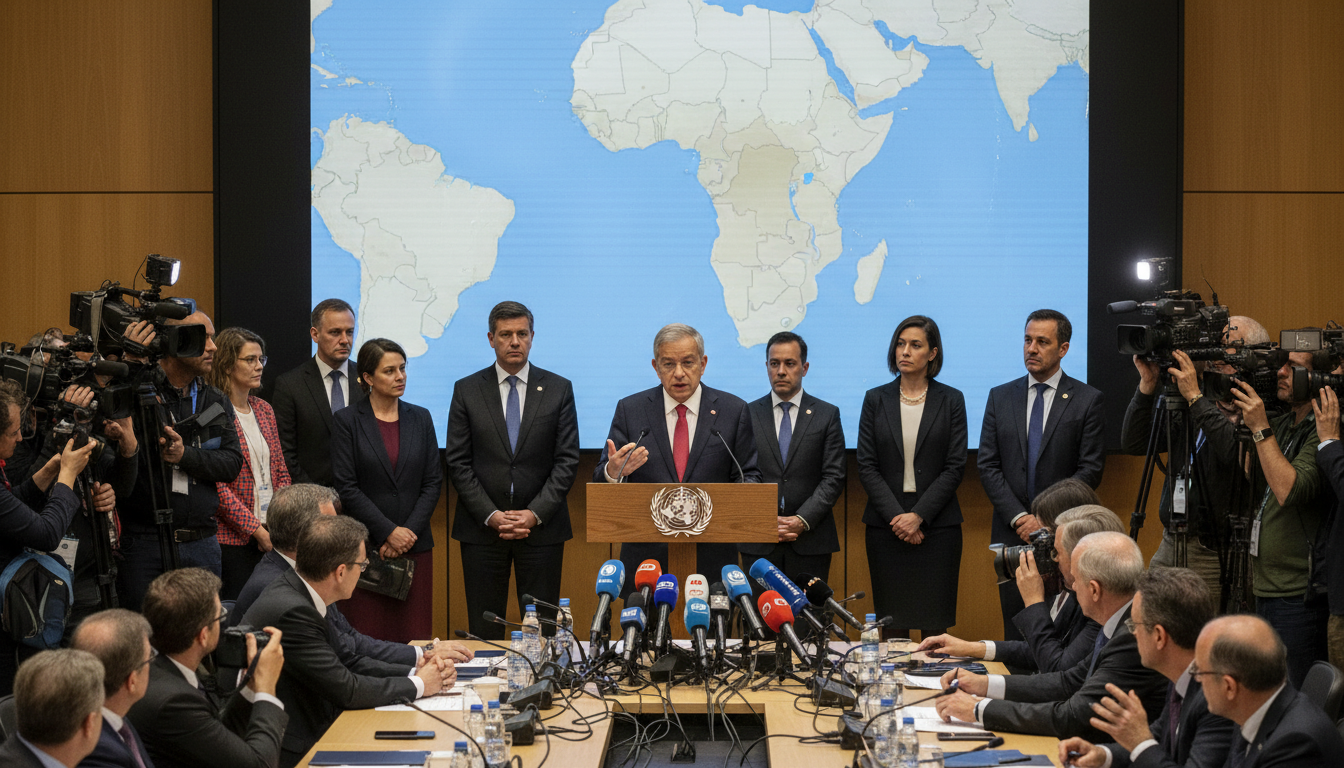
The World Health Organization has declared the Ebola outbreak centred in the eastern Democratic Republic of the Congo (DRC) and now affecting Uganda a “public health emergency of international concern.” The announcement follows a rapid rise in fatalities and suspected infections linked to the rare Bundibugyo Ebola strain, which currently has no approved vaccine or specific treatment. Health authorities say the declaration aims to coordinate regional response while avoiding measures that could impede containment, such as broad border closures.
WHO declaration and international advice
The WHO’s designation places the event at the second-highest alert level under international health regulations, signaling urgent need for global coordination. The agency has urged neighbouring countries to activate emergency systems, step up cross-border screening and isolate confirmed cases rapidly. At the same time, WHO officials warned against blanket travel or trade restrictions, noting such measures can drive people to informal crossings and complicate surveillance.
Scope and human impact of the outbreak
Health authorities report nearly 90 deaths and hundreds of suspected cases since the outbreak began in late April, concentrated initially in Ituri province. African public health bodies have flagged the risk of further spread because infected people have travelled beyond the initial hotspot, and linked cases have been detected in Kinshasa and in Uganda. Medical aid groups on the ground describe rapidly increasing case numbers and strain on already fragile local health services.
Origins and patterns of transmission
Investigators trace the earliest confirmed case to Mongwalu, a busy mining town in Ituri, where population movement and informal healthcare seeking are common. DRC Health Minister Samuel-Roger Kamba identified a nurse who arrived at a Bunia health facility with Ebola-like symptoms on April 24 as the likely index case in this chain of transmission. Transmission occurs through direct contact with bodily fluids and contaminated objects, and public health teams are focusing on contact tracing, isolation of symptomatic people, and community engagement.
Characteristics of the Bundibugyo strain
The current outbreak is caused by the Bundibugyo variant of the Ebola virus, a strain first recognised in Uganda in 2007. Health officials warn that Bundibugyo can be highly lethal and, unlike the Zaire strain, has no widely approved vaccine or targeted antiviral treatments. Symptoms reported include high fever, severe weakness, vomiting and diarrhoea, with bleeding possible in advanced cases, and an incubation period that can extend up to 21 days.
Cross-border spread and confirmed cases in Uganda
Uganda has confirmed laboratory-positive cases tied to travel from the DRC, including a fatality reported in Kampala, heightening concern about regional transmission chains. WHO Director-General Tedros Adhanom Ghebreyesus noted the high risk for neighbouring countries due to routine trade, travel and population mobility. Public health authorities are urging exposed individuals to avoid international travel for 21 days and recommending daily monitoring of contacts to break transmission links.
Operational challenges in Ituri and eastern DRC
Response efforts are being complicated by insecurity, displacement and a dense network of informal health providers in eastern DRC. Recent rebel attacks and ongoing violence have killed dozens this month, which health officials say undermines safe access to affected communities and hampers vaccination campaigns and case management. The presence of armed groups such as the Allied Democratic Forces and the M23 movement, and the region’s mineral-driven mobility, increase the difficulty of delivering a coordinated public health response.
Historical context and lessons from previous outbreaks
The DRC has a long history with Ebola, having recorded multiple outbreaks since the virus’s discovery in 1976. The country’s most lethal episode ran from 2018 to 2020 and claimed almost 2,300 lives, offering hard-won lessons about the need for rapid detection, community trust and secure access to hotspots. A smaller outbreak declared over last December also demonstrated that sustained surveillance and local engagement are essential to halting transmission.
Global and regional agencies stress that uncertainty remains about the true number of infections and the full geographic spread, and they are calling for strengthened surveillance, laboratory capacity and humanitarian access. Doctors Without Borders (MSF) warned that the combination of insecurity and limited healthcare access in Ituri makes rapid escalation a serious risk and underscored the urgency of immediate reinforcement for outbreak control teams.
Public health officials are coordinating cross-border information sharing and mobilising resources for contact tracing, risk communication and treatment of the sick where possible. The WHO has also highlighted the need to avoid measures that could push movement underground, noting that measured, well-supported interventions are more effective than blunt closures. Continued monitoring and transparent reporting by the DRC, Uganda and international partners will be critical as response operations scale up in the days ahead.
The situation remains fluid and authorities say the focus now is on containing transmission, protecting frontline health workers and ensuring communities receive accurate information and practical support to reduce further spread.
