
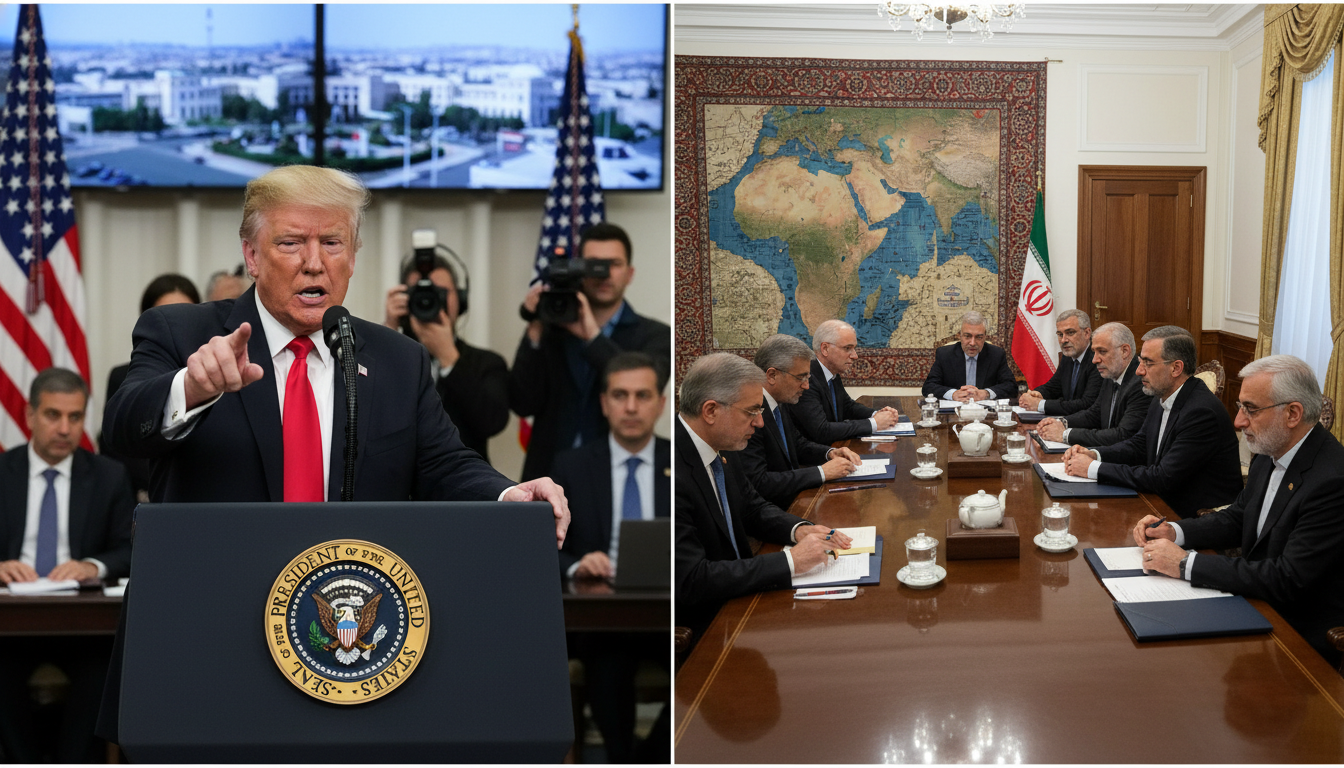
Trump warns US may attack Iran again as Tehran “seeks a deal,” raising regional alarm
President Trump warned on Tuesday, May 19, 2026 that the US may attack Iran again as Tehran seeks a deal, escalating tensions and prompting global concern.
President Donald Trump said on Tuesday that the United States “may have to” launch another strike against Iran and accused Tehran of pressing for a deal, remarks that intensified already high tensions between Washington and Tehran. The comments, made during public remarks in Washington, explicitly included the phrase “US may attack Iran,” underlining a willingness to use military force if deemed necessary. The statement quickly reverberated across diplomatic channels in the Gulf and beyond, where governments monitor any sign of escalation closely.
Trump’s warning on Tuesday, May 19, 2026
President Trump framed the comment as a contingency should Iran continue actions the administration views as threatening to US interests. He said Tehran was seeking negotiations but warned that diplomacy would not eliminate the option of military action. The blunt language marked a sharp tone in US rhetoric at a moment when regional tensions remain elevated.
Tehran’s position and public signals
Iranian officials have emphasized a combination of deterrence and diplomacy in recent months, signalling openness to talks while rejecting unilateral pressure. Tehran’s public stance has generally been that negotiations must respect its sovereignty and security interests. How Iranian leaders respond to a direct US warning will shape immediate regional dynamics and the likelihood of reciprocal measures.
Context of U.S. military posture
The United States has maintained a forward military presence in the Gulf and nearby waters for years, citing threats to commercial shipping and regional partners. Military planners have repeatedly stressed that options on the table range from defensive measures to targeted strikes, depending on the nature of any perceived provocation. The administration’s renewed emphasis on military readiness comes amid continuing debate in Washington about the balance between deterrence and escalation.
Impact on Gulf security and energy markets
Any credible threat of attack on Iran reverberates quickly through Gulf security calculations and energy markets, which are sensitive to disruptions. Regional states, including major oil producers, face the prospect of heightened maritime and infrastructure risks if tensions escalate. Financial markets and shipping operators often respond to such rhetoric with increased volatility and precautionary measures.
Diplomatic tracks and negotiations
Despite sharp rhetoric, multiple diplomatic channels exist for de‑escalation, including back‑channel talks and multilateral fora where regional and global powers engage. Diplomatic actors may intensify shuttle diplomacy to prevent miscalculation and to clarify red lines on both sides. Brokers and mediators see urgency in converting public statements into private assurances to avert unintended clashes.
Responses from global capitals
Allies and rivals alike monitor statements from Washington and Tehran for signs of policy shifts and practical intent. Some countries are likely to call for restraint and immediate dialogue to prevent escalation, while others may underscore support for defensive measures. International reaction will influence not only diplomatic momentum but also the practical constraints on military action.
The immediate weeks ahead will be shaped by how both Washington and Tehran move from public rhetoric to concrete policy steps, and whether regional and international actors can channel tensions into renewed negotiations rather than confrontation.
