
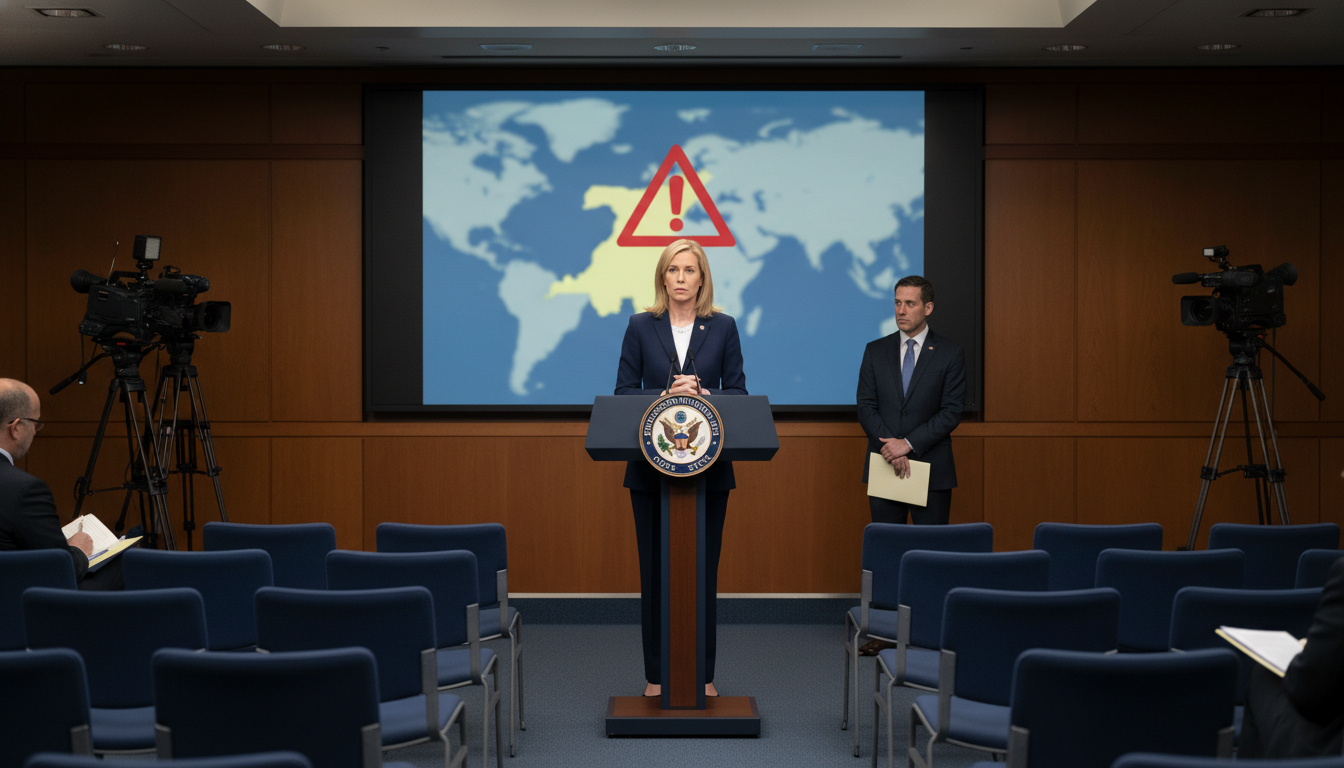
U.S. travel advisory warns against travel to DRC, South Sudan and Uganda; Rwanda travel flagged over Ebola
U.S. travel advisory urges citizens to avoid travel to the Democratic Republic of Congo, South Sudan and Uganda and to reconsider trips to Rwanda amid an Ebola outbreak and related safety concerns.
The U.S. State Department on Tuesday issued a forceful travel advisory urging American citizens not to travel to the Democratic Republic of Congo (DRC), South Sudan or Uganda for any reason, while also advising travelers to reconsider visits to Rwanda due to a recent Ebola outbreak. The advisory, framed as a precautionary measure, highlights both public health and safety concerns and is intended to reduce the risk to U.S. nationals and support staff operating in the region. U.S. officials emphasized that the guidance applies to all categories of travel and urged immediate attention from those with existing plans.
Scope of the advisory and affected countries
The advisory specifically names the DRC, South Sudan and Uganda as destinations Americans should avoid until further notice, while Rwanda is singled out as a country for which travel should be reconsidered because of the Ebola situation. The U.S. message does not limit its recommendation to leisure travel and stresses that official, business, or humanitarian travel also falls within the cautionary guidance. By grouping these four nations, the State Department indicated concerns that span both security conditions and contagious disease risks that could affect travelers and U.S. missions.
Public health rationale: Ebola concerns in Rwanda
Rwanda’s inclusion in the advisory for reconsideration stems from a reported Ebola outbreak that has prompted additional health precautions and movement restrictions in parts of the region. U.S. authorities cited the potential for rapid transmission and the strain such outbreaks place on health systems as a principal reason to discourage non-essential travel. The advisory also reflects the practical reality that outbreaks complicate evacuation, medical treatment and routine consular support for U.S. citizens abroad.
Security and logistical considerations in DRC, South Sudan and Uganda
Beyond the public health element, the advisory points to broader security and logistical factors in the DRC, South Sudan and Uganda that could endanger travelers or impede assistance. These can include localized conflict, civil unrest, crime, and challenges in accessing reliable emergency services and medical care. The State Department’s guidance underscores that such conditions can change quickly and that travel may expose individuals to greater risk than usual, even for those engaged in professional or humanitarian missions.
Advice for American citizens and travel planners
U.S. travelers are being urged to cancel or postpone non-essential trips to the affected countries and to contact relevant employers or sponsoring organizations to reassess planned travel. The advisory recommends registering with the nearest U.S. embassy or consulate, verifying entry and health requirements, and ensuring access to contingency plans should conditions deteriorate. Travelers already in the region are advised to follow local public health guidance, maintain heightened situational awareness, and be prepared to modify their movements in response to official instructions.
Implications for regional travel and services
The advisory is likely to have immediate effects on commercial travel, tourism and the movement of international staff in affected countries, where airlines, hotels and aid organizations may adjust operations in response to decreased demand and safety concerns. Governments and NGOs that rely on cross-border mobility could face operational constraints, affecting both humanitarian delivery and business continuity. The guidance also places additional pressure on local health systems and diplomatic missions to coordinate information-sharing and support services for foreign nationals.
Next steps and monitoring the situation
U.S. officials stressed that the advisory is subject to change as conditions evolve and recommended that Americans monitor updates from the State Department and local health authorities. Those planning essential travel were encouraged to seek enhanced medical advice, maintain flexible itineraries and ensure comprehensive travel insurance that covers medical evacuation and treatment. Authorities also suggested consulting embassy communications for country-specific instructions and potential evacuation notices.
The State Department’s advisory serves as a precautionary statement designed to protect U.S. citizens and reduce the burden on diplomatic and health resources in the region. Travelers and organizations with ties to the DRC, South Sudan, Uganda or Rwanda should evaluate the nature of their travel in light of the combined public health and security concerns. Continuous monitoring of official updates and adherence to guidance from health and diplomatic channels will be essential for anyone with plans involving these countries.
