
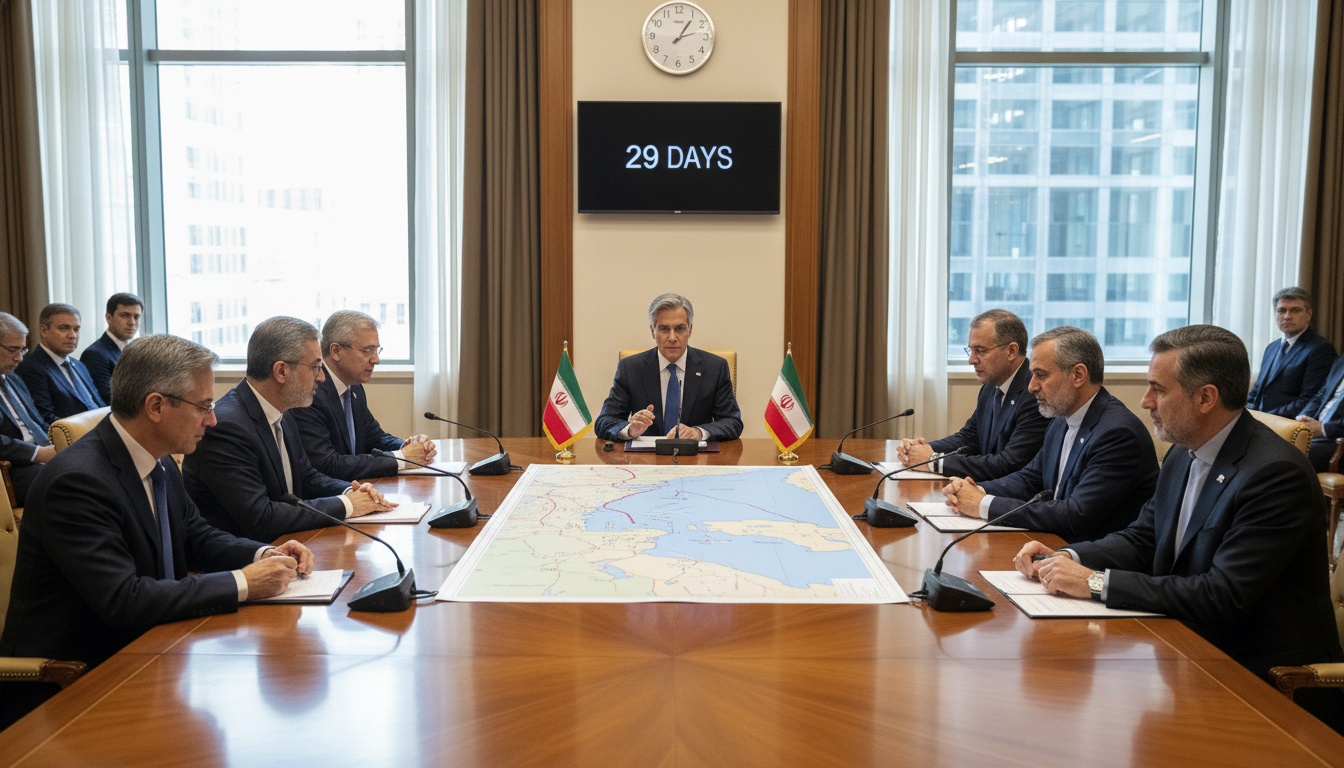
US and Iran Discuss Plan to Reopen Strait of Hormuz After Ceasefire
US and Iran reportedly plan to clear mines and reopen the Strait of Hormuz within 30 days, as a 60‑day ceasefire is extended and nuclear talks are planned.
The United States and Iran are discussing a concrete plan to reopen the Strait of Hormuz after agreeing to halt active hostilities, diplomatic sources told news outlets. The proposal would see Iran remove naval mines from the waterway within roughly 30 days, allowing commercial and naval vessels to resume passage without new restrictions. The report, attributed to a Middle East diplomatic source via Nikkei and carried by Reuters, also says the ceasefire reached in early April will be extended for 60 days while further talks are arranged.
Diplomatic source outlines 30‑day timeline
A Middle East diplomatic source speaking to Nikkei described a phased timeline for restoring maritime freedom through the Strait of Hormuz. Under the plan, Iran would begin mine clearance operations immediately after a formal agreement to end hostilities, aiming to complete work within about 30 days. Officials did not provide a public timetable for verification or identify which third parties, if any, would monitor the clearance efforts.
Mine clearance and shipping access
According to the account in the report, Iran would be responsible for removing mines and other explosive hazards from the shipping lanes that traverse the Strait of Hormuz. Once the clearance is complete, ships from all nations would be able to transit the strait “freely and safely,” the diplomatic source said. The plan would mark a significant step toward normalising maritime traffic through one of the world’s busiest oil transit chokepoints.
Ceasefire extension and nuclear discussions
The same diplomatic reporting indicates the ceasefire agreed in early April will be extended by 60 days to allow space for diplomacy. During that pause, negotiators plan to open talks on Iran’s nuclear programme, according to the source cited by Nikkei and reported by Reuters. Officials involved in the discussions framed the extension as a window to convert a cessation of hostilities into sustained political engagement.
Transit fees and Iran’s commitments
The report states Iran would also stop collecting transit fees as part of the arrangement once mines are cleared and navigation resumes. How Iran’s removal of fees would be verified and whether a timeline or mechanism will be established for resuming or renegotiating charges was not specified. Maritime industry groups and shipping companies will likely seek guarantees and independent verification before altering routing or insurance arrangements.
Regional security and maritime trade impact
Restoring secure passage through the Strait of Hormuz would have immediate implications for global energy markets and regional trade flows. The strait handles a substantial share of the world’s seaborne oil flows, and disruptions there tend to push freight rates and insurance premiums higher. A credible, verifiable mine-clearance operation coupled with a lasting ceasefire could ease market volatility and reduce the operational strain on commercial shippers rerouting around the Arabian Peninsula.
Verification, monitoring and international response
Any plan to reopen the Strait of Hormuz will hinge on verification and confidence-building measures that reassure affected states and commercial actors. The details reported so far do not clarify which organisations or states would monitor the mine clearance or certify the safety of reopened lanes. International maritime authorities and flag states are expected to press for transparent inspection regimes and third‑party verification before endorsing any resumption of normal transit.
The diplomatic account has not yet been confirmed by public statements from either Washington or Tehran, and independent verification will be essential to move from reported discussions to concrete action. Observers in the region and beyond will be watching for formal announcements, the presence of specialised clearance teams, and any deployment of international monitors.
If implemented, the package — a 30‑day clearance, cessation of transit fees and a 60‑day ceasefire linked to nuclear talks — would represent a coordinated political effort to reduce immediate maritime risk while opening channels for broader negotiations. How long-term arrangements will be settled, and what guarantees will underpin continued safe passage, remain central questions for governments, energy markets and shipping companies alike.
