
Iran World Cup visas unresolved as Iran trains in Antalya amid wartime diplomatic strain
Iran World Cup visas remain unresolved as the team trains in Antalya; FIFA and host governments face pressure to resolve entry, security and travel logistics.
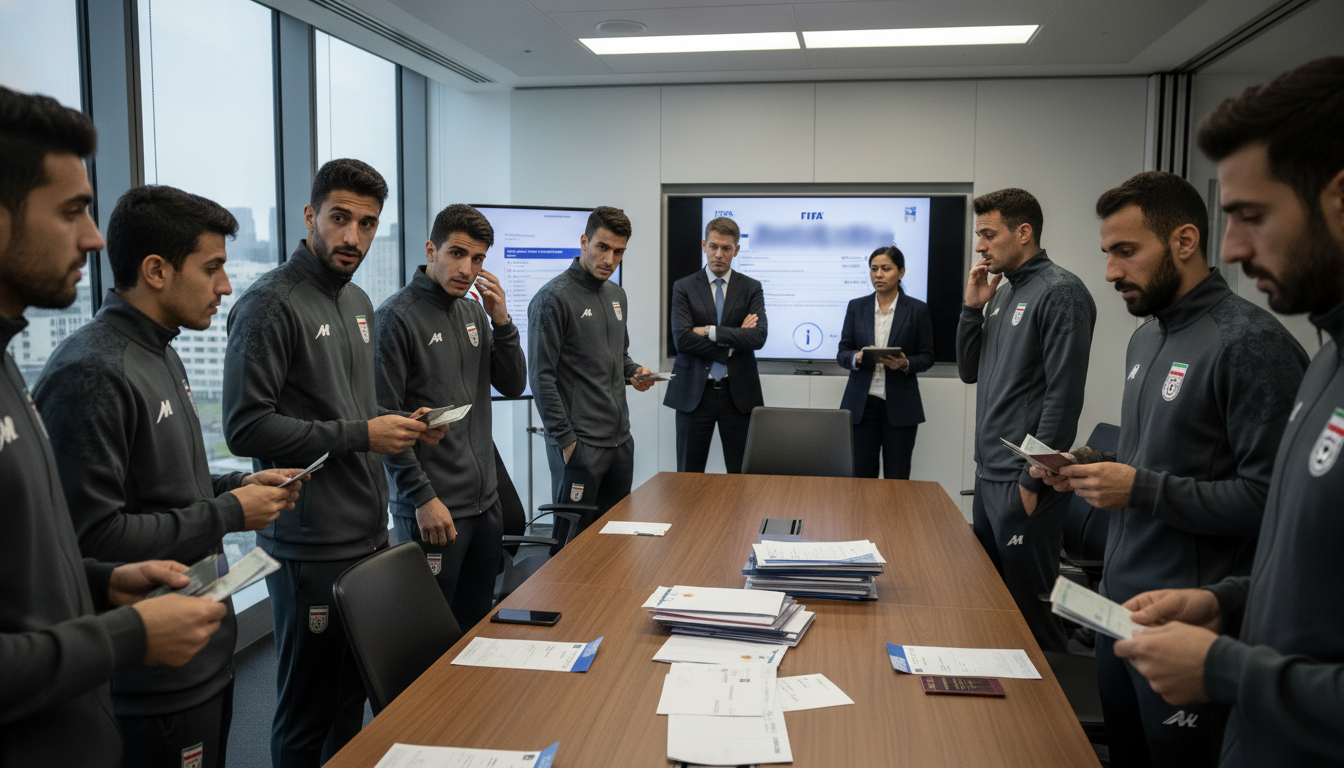
The Iran national team continues training in Antalya while Iran World Cup visas remain unresolved, raising doubts about whether the squad will be able to travel to North American host cities on schedule. With under two weeks until the tournament begins, Iranian officials say no visas have been issued for players, coaches or support staff for the United States or Mexico. FIFA has maintained that Iran will participate, but the visa impasse and surrounding political tensions have left preparations in flux.
Visas Still Pending as Tournament Nears
Iranian federation officials issued a formal request to FIFA seeking transparency on visa issuance after saying no member of the delegation had received travel permits. The federation asked FIFA to clarify timelines and criteria for entry to both Mexico and the United States, and said it had not received a response by the time of its statement.
The uncertainty follows earlier travel disruptions: only some delegation members entered the United States for last year’s tournament draw, and the federation president was denied transit entry to Canada in April. Those episodes have heightened anxiety about whether players and staff will secure the clearances needed for match-day travel and training.
FIFA’s Role and Diplomatic Strain
FIFA has publicly affirmed Iran’s right to compete, placing the governing body at the center of a diplomatic headache that involves host governments and senior political figures. FIFA president Gianni Infantino has reiterated Iran’s participation, but the organization must now navigate security, visa and political vetting processes across multiple nations.
Senior political leaders in the United States have weighed in, amplifying scrutiny of delegation members with past links to Iran’s security services. Those statements, and the close attention from Washington, have complicated FIFA’s position and forced conversations with the Mexican government about interim training arrangements.
Shifts in Training Bases and Travel Plans
The Iran squad shifted its planned North American base from Tucson, Arizona, to Tijuana, Mexico, citing travel complications and the practical need to stage close to U.S. venues without overnight stays on U.S. soil. Mexican authorities say FIFA requested their assistance after the United States indicated it would not host the team overnight in the same way as other qualified nations.
Under the revised plan, Iran would fly into U.S. cities for match days and return to Tijuana after fixtures in Los Angeles and Seattle. That approach requires a complex sequence of short-term entries and re-entries, increasing the administrative burden on consular services and transport planners.
Security Concerns and Political Statements
Security vetting has focused in part on officials and support staff with prior service in Iran’s Islamic Revolutionary Guard Corps, a body some countries have designated a terrorist organization. U.S. officials have signaled they will bar trainers or support staff with certain declared ties, prompting Tehran to assert that its team is being treated unequally.
Iranian diplomats accompanying the squad have publicly criticized U.S. policy and said the war has disrupted preparations. Tehran has also framed the team’s presence as symbolic, linking the players’ mission to national mourning after a school attack and announcing a memorial reference for victims that the squad will carry into the tournament.
Team Mood and Preparations in Antalya
Despite the political turmoil, players in Antalya have been observed training, attending drills and keeping a composed public demeanour, according to local reports. Iranian staff have asked journalists to limit questions to sporting matters as the squad focuses on fitness and tactical work ahead of three scheduled matches on the U.S. West Coast.
The team has staged subdued acts of commemoration at recent friendlies, including wearing black armbands and carrying school bags in tribute to children killed in an attack they say affected their country. Domestic leagues in Iran have been suspended since the start of the conflict, making the national squad’s World Cup build-up a rare avenue for professional play.
Local and Financial Consequences
Organizers in cities that had expected to host Iran for training have faced logistical and financial fallout from the relocation. One Arizona facility said discussions were underway with FIFA to recover costs incurred preparing to meet tournament requirements once the team withdrew from that base.
On the Mexican side, Tijuana authorities have had to accelerate arrangements for the new base, including stadium access, security protocols and liaison work with consulates to process visa requests on an expedited timetable. Those rapid changes add strain to operational planning already stretched by the scale of the co-hosted World Cup.
The coming days will test whether consular processes and diplomatic negotiations can resolve the Iran World Cup visas impasse in time for the scheduled matches, and whether the team can maintain focus amid geopolitical pressures. FIFA, host governments and Iranian officials say they expect progress, but the path to guaranteed travel and competition remains uncertain as the tournament start date approaches.
