
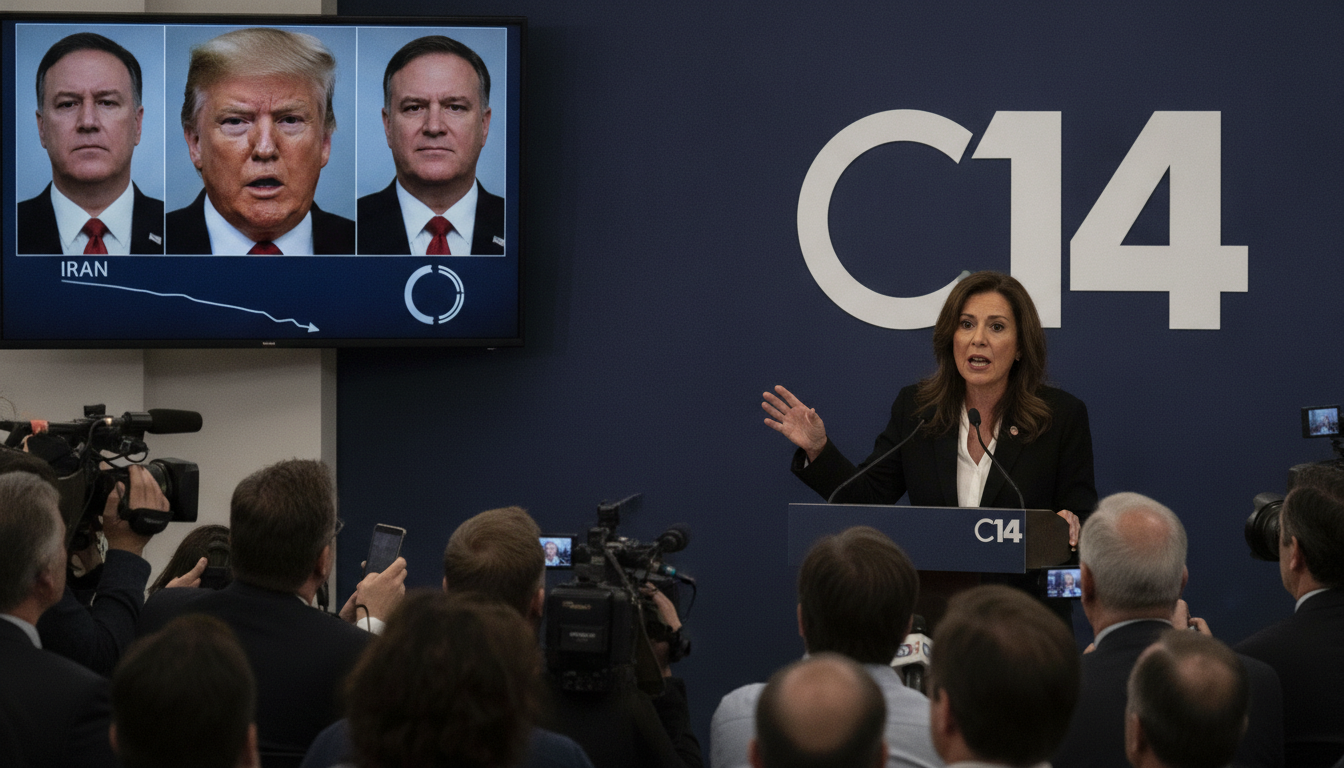
Channel 14 Turns on Trump: Israeli Broadcaster Lambastes US President Over Proposed Iran Cease-Fire Deal
Channel 14 has sharply criticised President Trump and his aides over a proposed Iran cease-fire deal, with on-air hosts and commentators airing fierce objections that have strained Israel–US media ties.
Channel 14, long aligned with Prime Minister Benjamin Netanyahu and once an ardent backer of Donald Trump, has become a prominent voice of public anger in Israel after details of a proposed Iran cease-fire deal emerged. The broadcaster’s prime-time personalities have led a wave of criticism aimed at Mr. Trump and several of his envoys, turning a previously friendly media posture into sustained condemnation. The sudden shift has amplified political tensions in Jerusalem and raised questions about the role of partisan media in shaping diplomatic response.
Sharp Rebukes From Prime-Time Hosts
Yinon Magal, host of the nightly talk show “The Patriots,” was among the first high‑profile presenters to denounce the deal, using blunt language on social platforms and on air. Other regulars joined the chorus, characterising the agreement and its negotiators in very strong terms and accusing them of betraying Israeli security interests. These on‑air attacks have been repackaged across Channel 14’s digital outlets, increasing their reach and sparking national debate.
Channel 14 personalities who previously celebrated Mr. Trump’s policies have framed the deal as a strategic failure, arguing it fails to safeguard Israel against Iran’s regional ambitions. Panel discussions and monologues have presented a unified narrative that the arrangement falls short of hardline expectations, and that the United States has conceded too much. The frequent prime‑time coverage has reinforced the impression of a broadcaster that speaks directly to Netanyahu’s base.
Controversial Language and External Condemnation
Some hosts crossed established norms of public discourse, prompting sharp rebukes from advocacy groups and commentators. A number of remarks published on social media and aired live included pejorative terms directed at US officials and negotiators, which drew condemnation from civil society organisations. The Anti‑Defamation League in Israel publicly criticised one slur as unacceptable in public debate.
Channel management sought to distance the station from certain personal social media posts, emphasising a separation between individual commentators’ remarks and the channel’s editorial position. A company spokesperson said the outlet supports free expression while denying it acts as a mouthpiece for political leaders. Nevertheless, the use of incendiary language has intensified scrutiny of the network’s tone and editorial boundaries.
Netanyahu’s Measured Public Stance
Prime Minister Benjamin Netanyahu has taken a cautious tone in public comments, signalling diplomatic restraint even as his political allies have been vocally critical. Asked about the US president in a televised news conference, Mr. Netanyahu acknowledged differences while stressing a generally cordial bilateral relationship. His remarks were notably tempered compared with the sharper rhetoric coming from Channel 14 figures.
Observers in Jerusalem note that Israel’s government has been wary of openly confronting the United States over the proposed deal, preferring private channels for disagreement. That caution contrasts with the louder reactions on right‑leaning media, which some analysts say may be articulating constituency anger rather than official policy. The divergence between government diplomacy and media outrage highlights the complexity of Israel’s domestic and foreign policy calculus.
Channel 14’s Growth and Political Influence
Channel 14 began as a niche outlet focused on religious and cultural programming but has expanded rapidly into general news and political commentary. In recent years it has attracted large prime‑time audiences and become influential among conservative viewers and decision‑makers. Its blend of opinionated commentary and aggressive reporting has changed the shape of Israel’s broadcast landscape.
Media critics say the station’s rise has created a new platform for hardline perspectives that can shape public sentiment quickly. By posting clips and commentary online, Channel 14 amplifies on‑air attacks beyond traditional television audiences and into social media feeds and messaging apps. That distribution power makes the broadcaster a significant force in framing national reactions to international developments.
Political Stakes and Diplomatic Fallout
Analysts warn the broadcaster’s campaign could complicate efforts to manage diplomatic ties between Jerusalem and Washington at a sensitive moment. Some commentators suggest the fierce media backlash serves to shift public blame away from domestic leaders and towards foreign negotiators. Others argue the outcry reflects genuine security concerns among Israel’s right wing about the terms of the proposed arrangement with Iran.
The accusations levelled on Channel 14 target both policy and personalities, singling out specific US envoys and officials as responsible for concessions. That personalised criticism risks straining interpersonal channels between Israeli and American officials, even as formal diplomacy continues behind closed doors. Political leaders must now balance public demands with the necessity of maintaining working relations with a key ally.
Channel 14’s recent programming demonstrates how domestic media can quickly escalate international disagreements into matters of national politics. The broadcaster’s sustained focus on the cease‑fire deal and its vocal denunciations of President Trump have made it a central actor in Israel’s unfolding response to the agreement.
The debate is likely to continue as further details of the proposal become public and as Israeli and American officials weigh next steps, with Channel 14 remaining a prominent amplifier of conservative opposition.
