
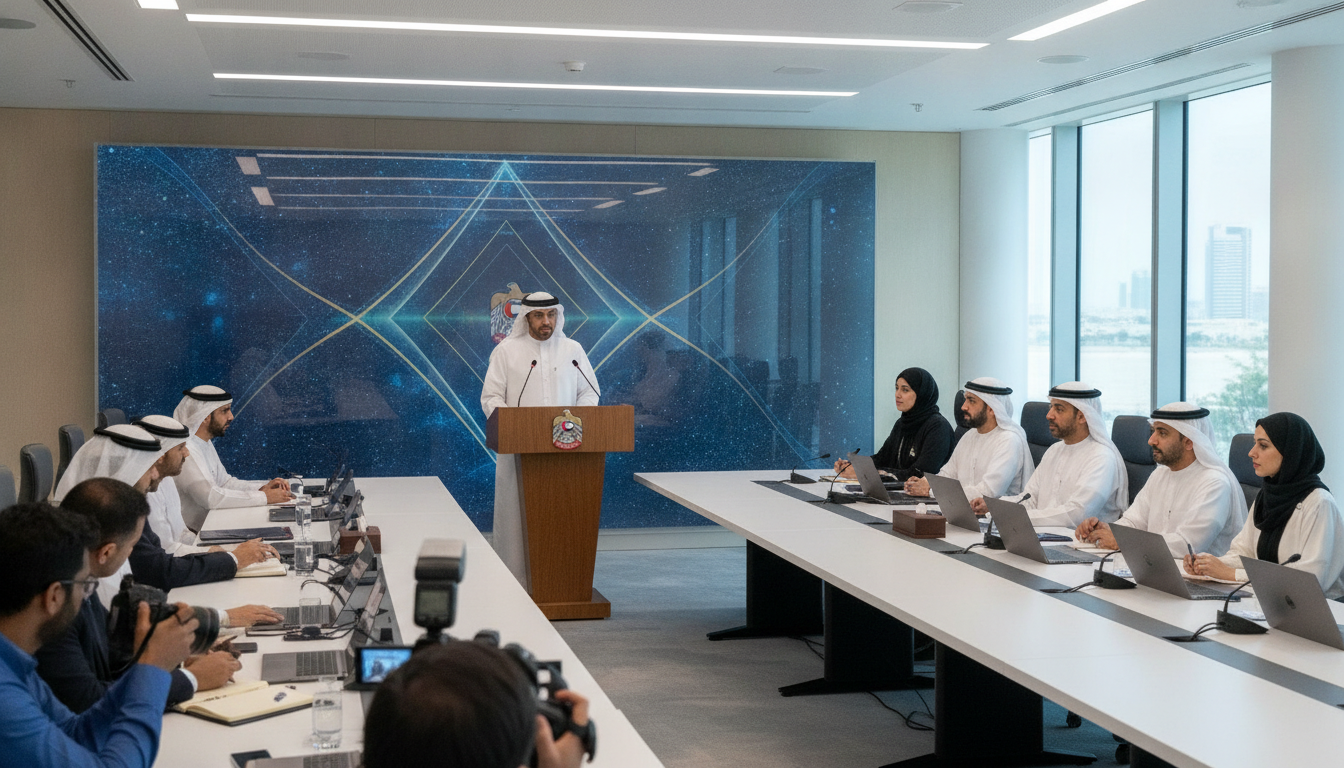
Sheikh Maktoum launches Ministry of Finance Strategic Plan 2027–2029 to modernise UAE public finance
Sheikh Maktoum unveils the Ministry of Finance Strategic Plan 2027–2029 to modernise public finance, expand partnerships and deploy AI and data-led services.
His Highness Sheikh Maktoum bin Mohammed bin Rashid Al Maktoum announced the launch of the Ministry of Finance Strategic Plan 2027–2029 on his official X account, setting out a three-year roadmap to modernise government finance across the UAE. The plan positions the ministry to raise the efficiency of public financial management and to reinforce the country’s global leadership in financial governance. It emphasises flexible, innovative fiscal policies, proactive service delivery powered by data and artificial intelligence, and deepened cooperation with domestic and international partners. The announcement links the new strategy to the UAE’s long-term development vision and underlines a people-centred approach to public service.
Launch details and official statement
His Highness used his verified X handle to reveal the plan, describing it as a forward-looking framework to boost the effectiveness of government financial operations. The statement highlighted the plan’s focus on resilience, flexibility and innovation in fiscal policy. It committed to improving the experience of stakeholders through anticipatory services and smarter use of analytics. The release stressed that the strategy is intended to expand the UAE’s financial and economic partnerships globally.
Primary objectives and strategic priorities
The Ministry of Finance Strategic Plan 2027–2029 centres on several priority areas: enhancing public financial management, modernising government expenditure frameworks, and strengthening fiscal resilience. It seeks to embed flexible policy instruments that can adapt to changing economic conditions. Another core objective is to advance the quality and accessibility of government services for businesses and citizens. The plan also aims to attract and facilitate impactful public‑private collaboration across strategic sectors.
Technology, data and AI integration
A central pillar of the strategy is the integration of data analytics and artificial intelligence into core ministry functions. Officials say this will enable predictive, proactive public services that anticipate user needs and streamline transactions. The plan outlines investment in secure data infrastructure and analytics platforms to improve decision-making and transparency. These measures are expected to reduce processing times, improve policy design and support evidence-based fiscal management.
Partnerships and international economic engagement
The strategy places a strong emphasis on widening financial and economic cooperation with international partners and institutions. It calls for targeted partnerships that enhance capital flows, investment facilitation and knowledge exchange. The ministry intends to leverage these ties to support sovereign and private sector projects that align with national development goals. Increased engagement is also expected to boost the UAE’s position in global financial networks and multilateral forums.
Alignment with national vision and human-centred development
Sheikh Maktoum framed the strategy as a continuation of the UAE’s development path inaugurated by the late Sheikh Zayed, reaffirming that the country’s people remain at the centre of public policy. The plan explicitly links fiscal reforms to broader social and economic objectives, including improved public services and inclusive growth. Officials emphasise that human capital and societal wellbeing are the ultimate measures of the strategy’s success. This human-centred orientation is intended to guide investment priorities and service design through the 2027–2029 period.
Implementation timeline and expected outcomes
The three-year plan sets a clear implementation horizon from 2027 through 2029 with staged rollouts of reforms, technology deployment and partnership initiatives. Targets include measurable improvements in financial efficiency, reduced administrative burdens for users, and enhanced transparency in public spending. Progress will be tracked against key performance indicators tied to service quality, fiscal stability and international collaboration. Authorities signal that the plan will be periodically reviewed to maintain flexibility and responsiveness to evolving economic conditions.
The Ministry of Finance Strategic Plan 2027–2029 represents a concerted effort to modernise the UAE’s public financial architecture, drive digital and data-led services, and strengthen the country’s international economic ties while keeping citizens and residents at the heart of policy outcomes.
