
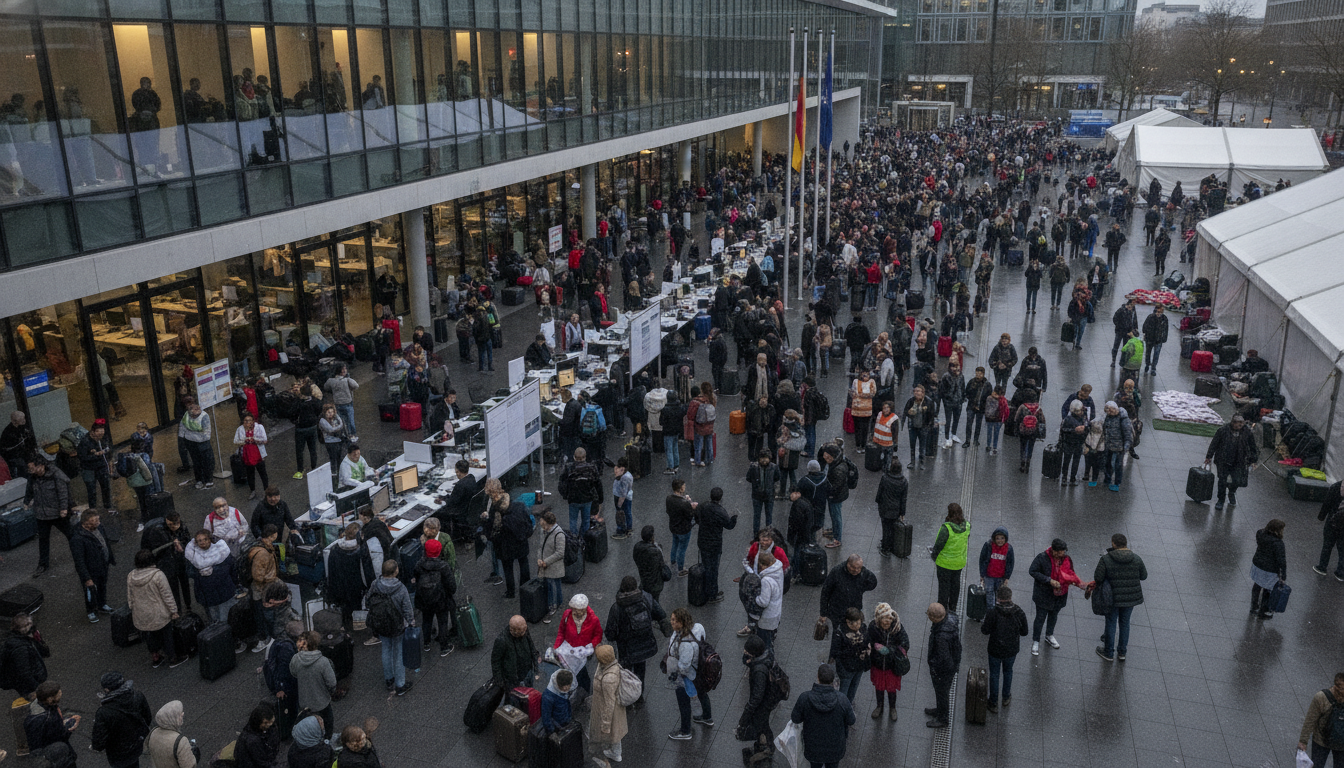
Germany refugee population nears four million in 2025, Destatis data shows
Germany’s refugee population reached nearly four million in 2025, with 3.3 million arrivals since 1950 and 713,000 World War II displaced, Destatis in Wiesbaden says.
Germany’s Federal Statistical Office in Wiesbaden published figures showing that almost four million people living in Germany at the end of 2025 are classified as refugees or displaced persons. The report states that about 3.3 million of these individuals arrived since 1950 and established residence in the country, while roughly 713,000 were displaced during World War II and arrived before 1950. The data set covers those recorded as still resident in Germany in 2025 and excludes people who left, had applications refused, or died.
Destatis releases detailed 2025 tally
The Federal Statistical Office framed the total at about four million after compiling historical arrivals and residency information up to the end of 2025. Officials noted the breakdown between post 1950 arrivals and those displaced during the Second World War to clarify the different migration waves captured in the figures. The Wiesbaden based agency also confirmed that the statistics reflect long term settlement rather than temporary reception figures.
Most recorded refugees arrived after 1950
According to the data, roughly 3.3 million people who are counted among the refugee population arrived in Germany from 1950 onwards and subsequently remained in the country. This category spans a wide range of migration episodes and legal statuses across decades, the office said. The post 1950 cohort forms the majority of the refugee population recorded in the 2025 snapshot.
World War II displaced remain part of demographic record
The report identifies approximately 713,000 people who were displaced during or as a consequence of World War II and who moved to Germany before 1950. Many in this group have become integrated into German society over several generations yet are still included in the historical tally. Destatis treated this cohort separately to reflect the unique historical circumstances of their arrival.
Methodology limits are clearly stated
Destatis said the statistics count refugees who were residing in private housing at the time of measurement and explicitly do not include people living in dedicated reception centres. The data set is restricted to individuals still living in Germany in 2025 so it omits those who had left the country, whose asylum requests were rejected, or who had died. Those methodological choices shape the total figure and mean the tally does not reflect all persons who have ever sought refugee status in Germany.
Data implications for policy and services
The office’s figures feed into ongoing planning for housing, social services, language and integration programmes that municipalities and federal authorities manage. Knowing the historical composition of the refugee population helps planners distinguish between long established communities and more recent arrivals who may have different needs. Analysts say such information can guide resource allocation without implying immediate changes to migration policy.
Limitations and questions for further analysis
While the headline total frames a long term demographic picture, experts note the importance of looking beyond aggregate numbers to age profiles, employment trends, and regional distribution. Separate administrative sources are needed to understand those living in temporary accommodation and recent asylum applicants who are not captured by this dataset. Future publications may provide more granular breakdowns that allow comparisons across states and time periods.
The Destatis report underscores that the figure represents a population cohort defined by historical migration and residency criteria rather than a count of all recent asylum seekers. The agency’s clarification about the exclusion of reception centres and of people who left or were rejected is central to interpreting the total. As policymakers and local authorities consider implications for planning, the 2025 tally offers a reference point for discussions about integration and long term demographic trends.
