
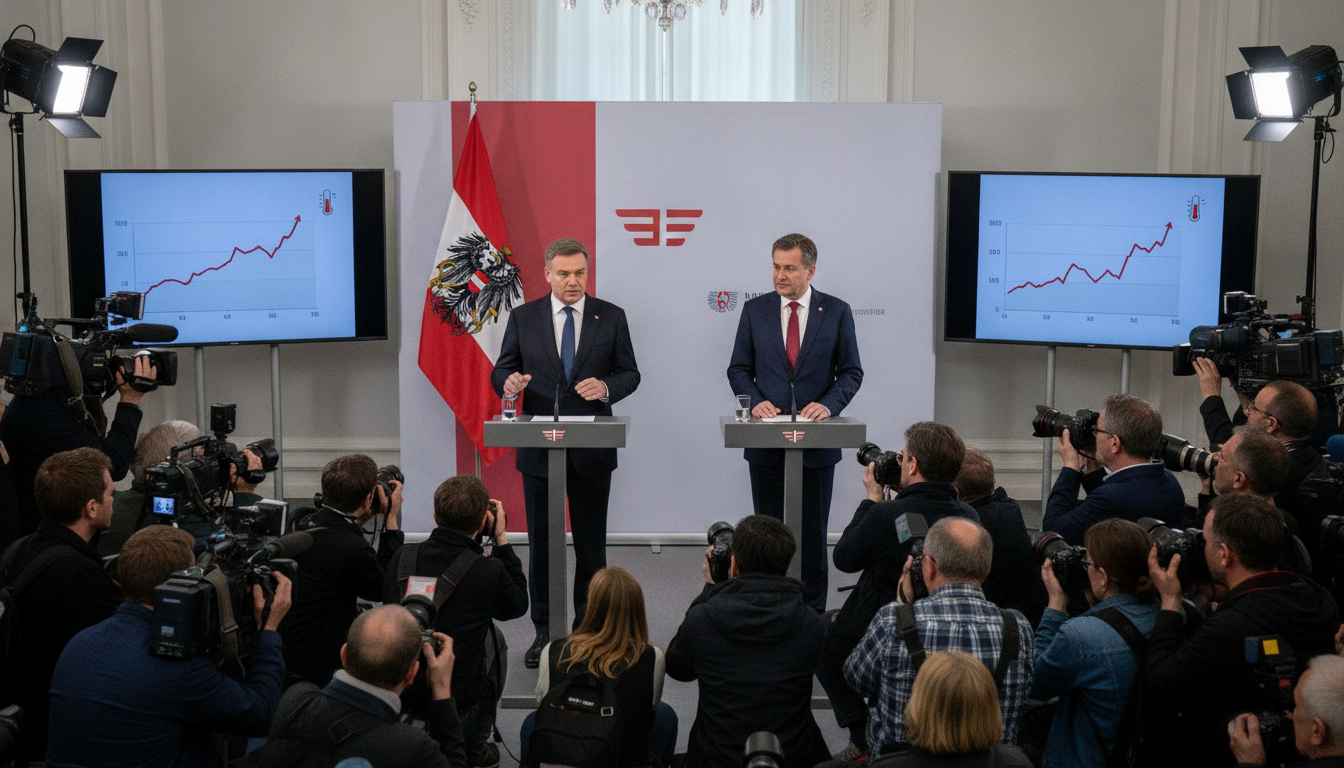
Austria heat surge: Health ministry reopens hotline as temperatures climb 3.1°C
Austria heat surge: Health ministry reopens heat hotline as temperatures rise 3.1°C since preindustrial era; with 449 heat-related deaths recorded in summer 2025.
Austria’s health ministry has restarted a dedicated heat-health hotline as the country grapples with a marked rise in extreme temperatures. The move follows a climate report showing days above 30°C have increased more than fivefold since the 1950s, and a national agency reported 449 heat-related deaths during summer 2025. Officials say the trend of hotter summers, driven by long-term warming, is evident across Austria and is prompting renewed public-health and adaptation measures.
Ministry restarts heat-health hotline
The Austrian Ministry of Health announced the reopening of its heat-health hotline to provide guidance and support for people affected by extreme temperatures. The service is aimed at vulnerable groups, caregivers and healthcare providers who need advice on heat stress, hydration and protective measures.
Officials said the hotline will operate during periods of elevated temperatures and will coordinate with regional health authorities to direct callers to local services and cooling centres. The ministry emphasized that rapid access to information can reduce heat-related illness and ease pressure on emergency services during heat peaks.
Sharp rise in hot days since the 1950s
Long-term climate data indicate a substantial increase in the frequency of hot days in Austria, with days exceeding 30°C growing from an average of six per year in the 1950s to roughly 30 per year today. This represents more than a fivefold rise and reflects a sustained upward trend in summertime extremes.
Experts attribute the change to a combination of global warming and regional climate dynamics that have amplified temperature increases across central Europe. The shift has consequences not only for public health but for agriculture, energy demand and urban planning.
July warming strongest in Vienna, Burgenland and Lower Austria
Monthly analyses show July temperatures have risen markedly across Austria since 2000, with notable regional variation. Vienna recorded an average July increase of about 3.1°C, Burgenland saw rises near 3.2°C, and Lower Austria experienced increases around 2.9°C.
These regional patterns underline how urban heat islands and local geography can amplify warming trends. City infrastructure, population density and land-surface changes can make metropolitan areas particularly susceptible to higher daytime and nighttime temperatures.
AGES records 449 heat-related deaths in summer 2025
The Austrian Agency for Health and Food Safety (AGES) reported 449 deaths linked to heat during the June–September 2025 period. The tally highlights the acute mortality impact of prolonged hot spells and seasonal peaks in heat exposure.
Public-health officials said the figure underscores the need for targeted interventions for older adults, people with chronic illnesses and those working outdoors. The agency’s report is being used to inform emergency response planning and to evaluate the effectiveness of existing prevention measures.
Public health guidance and prevention measures
Health authorities are urging citizens to follow basic heat-safety guidance, including staying hydrated, avoiding strenuous activity during peak heat hours, and ensuring access to cool environments. Caregivers and institutions are being reminded to check on isolated or at-risk individuals during heat waves.
Regional health services are expanding outreach, opening temporary cooling facilities where feasible, and coordinating with social services to distribute information in multiple languages. The hotline restart is part of a broader push to improve public awareness and reduce preventable heat-related harm.
Implications for adaptation and infrastructure planning
The documented temperature rise and increased frequency of hot days are prompting calls for accelerated adaptation measures across public infrastructure and policy. Planners and policymakers are assessing heat-resilient building designs, urban greening schemes and modifications to healthcare capacity to cope with seasonal demand spikes.
Energy systems and water management are also under review, as higher temperatures drive up cooling demand and can stress supply chains. The climate data presented to the public is expected to inform budgetary and regulatory priorities at federal and state levels in the coming months.
Austria’s climate record — a 3.1°C increase compared with preindustrial benchmarks and regionally higher July warming — is being framed by authorities as a clear signal that heat-related risks are no longer exceptional but a recurring seasonal challenge. The combination of the reopened hotline, targeted public-health advisories and regional planning efforts aims to reduce immediate harms and build longer-term resilience to what officials describe as a persistent rise in summer temperatures.
The government and health agencies say they will monitor outcomes from these measures and refine responses ahead of next year’s warm season, while scientists and local authorities continue to stress the importance of early warning, community support and infrastructure changes to limit future heat-related impacts.
