
Crimea Faces Growing Isolation as Fighting, Drone Strikes and Supply Shortages Imperil Peninsula
Crimea faces shortages and infrastructure damage as renewed fighting and drone strikes imperil supply lines, tourism and civilian life on the peninsula.
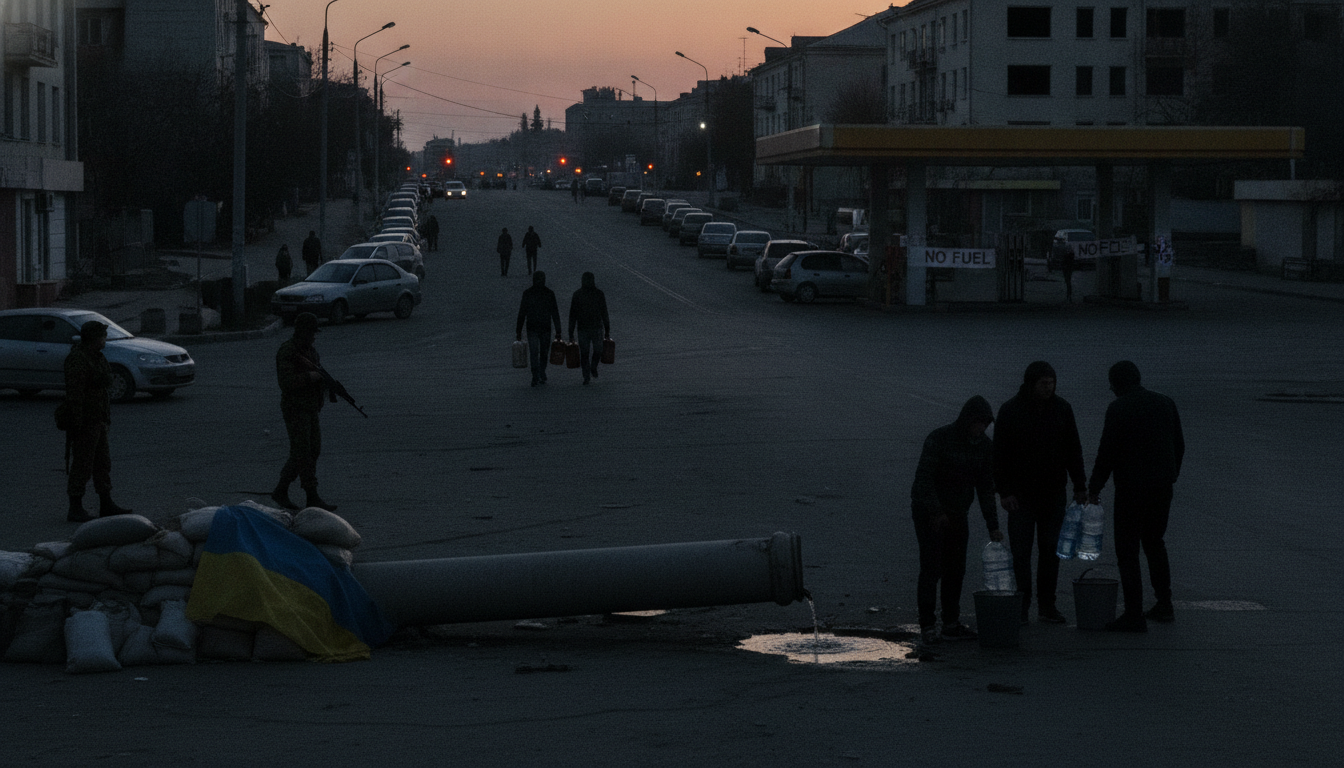
The peninsula that Russia annexed in 2014 is confronting a new phase of crisis as recent fighting and targeted drone strikes have damaged refineries, transport links and critical services across Crimea. Local authorities report escalating shortages of fuel, electricity and water while popular tourist sites see cancellations and evacuations. The outbreak of violence has transformed what was described by Moscow as a “final” reintegration into a contested zone with mounting humanitarian and strategic consequences.
Crimea’s Strategic Narrative Since 2014
After Russia’s rapid annexation of Crimea in 2014, Moscow framed the move as a historical correction and consolidated political control across the peninsula. Russian leaders portrayed Crimea as an inseparable part of the federation, and state messaging underscored cultural and historical ties to justify the incorporation. That narrative helped shore up domestic support and underpinned infrastructure and security investments designed to bind the territory more tightly to Russia.
Demographic and Infrastructure Integration Efforts
Moscow pursued rapid integration measures that included major transport and construction projects to link Crimea physically with mainland Russia. Authorities built a new airport and the 11-mile Kerch Strait bridge, opened in 2019, and promoted settlement by Russian citizens to alter the peninsula’s demographic balance. Investment forums and property reassignments were held to attract businesses and tourists, and flight routes between Russian cities and Simferopol expanded despite international non-recognition.
Diplomatic Exclusion from Peace Talks
Throughout the post-2014 period, Crimea remained largely absent from diplomatic negotiations aimed at resolving eastern Ukraine’s conflicts. Minsk-format talks and other diplomatic efforts concentrated on the Donbas region while treating Crimea as a settled territorial issue from Moscow’s perspective. That exclusion removed the peninsula from broader bargaining over frozen conflicts and limited international avenues to address grievances tied to governance, property rights and minority communities.
Recent Attacks and Civilian Disruption
In the current phase of hostilities, drones and other strikes have targeted energy facilities and port infrastructure on the peninsula, producing immediate civilian hardships. Damage to refineries and power installations has precipitated shortages of fuel and electricity, while water and supply lines have come under threat. Authorities have carried out unprecedented evacuations of children from summer camps, including from major institutions that previously welcomed thousands of visitors each year.
Economic Strain and Tourism Collapse
The cumulative effect of attacks and security concerns is a sharp downturn in tourism and commercial activity that once drew millions of visitors annually. Travel cancellations have surged and many recreational programs have been paused, eroding a key pillar of the local economy. Businesses in tourism-related sectors and legacy industries face sustained revenue losses as investors reassess projects and trade flows become more circuitous amid sanctions and logistical hurdles.
Military Risks and Wider Regional Implications
The current confrontations have revived larger strategic risks tied to Crimea’s role as a forward military and logistical hub for operations in the Black Sea region. Disruption of the overland corridor and threats to sea access, including to the Kerch bridge approaches, raise concerns about isolation and supply vulnerabilities. Both Kyiv and Moscow have framed recent strikes as part of wider campaigns, and statements by senior figures have signaled preparations for enduring worst-case scenarios, heightening fears of retaliatory cycles with significant human costs.
The immediate outlook for Crimea depends on security trends and whether supply corridors can be restored or rerouted to meet civilian needs, but the peninsula now sits at the center of a conflict that has migrated from front lines into essential services and everyday life. Restoring stable access to fuel, water and power will be a priority for authorities and aid organizations if hostilities pause, while any long-term settlement will require diplomatic engagement that explicitly addresses Crimea’s status, infrastructure rehabilitation and the rights of those displaced since 2014.
