
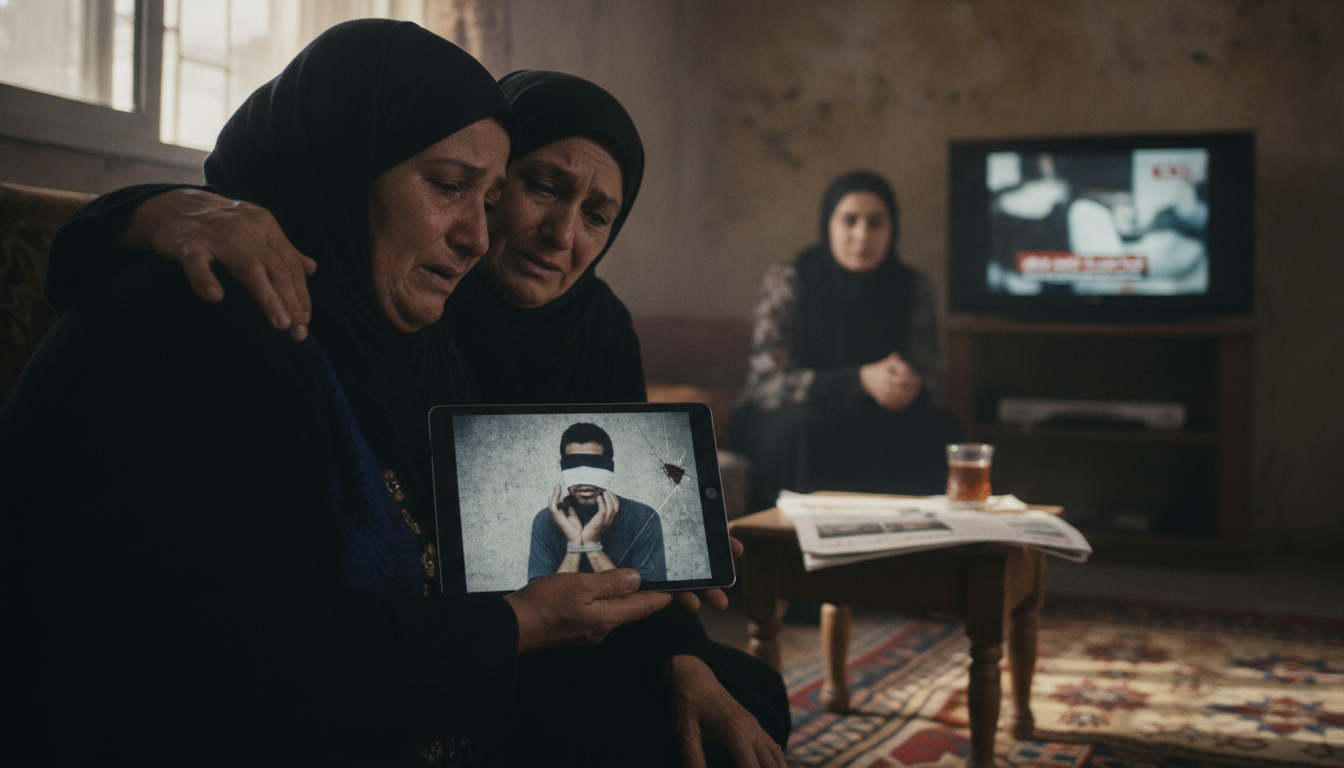
Gaza detainee photo fuels frantic search as two mothers say image shows their missing son
Two Palestinian mothers say a viral Gaza detainee photo shows their missing son. Israel confirmed the image is authentic on July 7, 2026, but has not released the man’s identity.
Families Identify Man in Viral Image as Missing Sons
Two women in Gaza separately told reporters they believed a widely circulated photograph of a bound and blindfolded man matched their missing son. Both mothers said they recognised marks, clothing and a distinctive scar that they say are visible in the image.
They described renewed anguish and uncertainty after weeks of searching family lists and shelters for information. The mothers called on authorities and humanitarian agencies to speed identification and return any confirmed detainees to their families.
Israeli Authorities Confirm Authenticity, Keep Identity Private
Israeli officials acknowledged the photograph is real on July 7, 2026, but said they could not disclose the individual’s name while investigations continue. Government spokespeople cited operational and security considerations for withholding identity and circumstances surrounding the image.
The admission intensified calls from relatives and human rights groups for transparency about detainees taken during recent hostilities. Legal experts say such confirmations raise immediate questions about custody, treatment and access for independent monitors.
Mothers Plead for Access to Information and Visits
Relatives of missing Palestinians urged both sides to facilitate family visits or at least to provide conclusive proof of life and location. The two mothers said authorities had provided no formal notification and that informal identification based on a photograph was agonisingly inconclusive.
Aid organisations emphasised the urgent need for proper channels that allow families to confirm the well‑being of detainees and secure legal representation. Without official disclosure, relatives risk prolonged uncertainty and potential violations of due process.
Humanitarian and Legal Ramifications of the Image
Rights groups warned that the photo and the circumstances around it could carry significant humanitarian and legal consequences. Photographs of restrained detainees can point to treatment issues that merit independent inquiry under international humanitarian law.
Legal advocates said transparency about detention status, access to lawyers and the ability for neutral observers to verify conditions are central to meeting legal obligations. They also urged prompt, documented communication with families to avoid retraumatization and prevent misinformation.
Identification Efforts and Forensic Review Underway
Authorities and advocacy groups reported steps to verify the man’s identity, including forensic comparison of the photograph with missing-person records and interviews with family members. Local organisations said they were collecting medical records, photographs and other identifiers to support official verification.
International agencies offered technical assistance in some cases, according to sources close to the families, noting that forensics and chain-of-custody safeguards are crucial for any conclusive determination. Families remained sceptical but said they welcomed any credible, verifiable method that would confirm the man’s status.
Community Reaction and Calls for Accountability
The image has reverberated across Gaza, prompting vigils and renewed demands from community leaders for clear information about detainees taken during clashes. Neighbourhood committees and advocacy groups organised petitions and coordinated with international legal advisers to press for answers.
Officials on both sides face mounting pressure to balance security concerns with obligations to ensure humane treatment and family contact. Analysts warn that prolonged secrecy may heighten tensions and complicate future efforts at reconciliation or prisoner exchanges.
The photograph has also intensified the emotional toll on families who have navigated disrupted communications, damaged infrastructure and limited access to legal and consular support. For the two mothers, the image reopened a cycle of hope and despair that officials say only clear, verifiable information can resolve.
Families and rights monitors said they would continue to document the case and press for independent verification. The coming days are likely to determine whether the photograph leads to identification and reunion, a formal investigation, or further controversy over detainee treatment and disclosure practices.
