
US maritime blockade of Iran resumed, CENTCOM says
CENTCOM says US maritime blockade of Iran resumed as 20+ warships and hundreds of aircraft deploy across the Middle East, risking shipping and energy.
The United States Central Command announced that US forces have resumed a maritime blockade of vessels transiting to and from Iranian ports and coastal areas, saying the move took effect Tuesday. The declaration, posted on the command’s official X account, said the action is intended to restrict maritime activity tied to Iran amid renewed hostilities. (kpbs.org)
CENTCOM announces blockade resumption
CENTCOM’s statement said the blockade targets ships entering or leaving Iranian ports and coastal waters, and that the order was implemented at a set time on Tuesday. The post framed the measure as a response to recent attacks on commercial shipping and as part of ongoing operations to limit Iran’s ability to threaten maritime traffic. (kpbs.org)
Military officials did not publish a full legal justification in the social media post, but CENTCOM emphasized control of designated sea lanes and the interdiction of vessels deemed non-compliant. The statement indicated that enforcement actions would follow established rules of engagement, while urging commercial operators to heed navigational warnings.
Scale of force deployed in the region
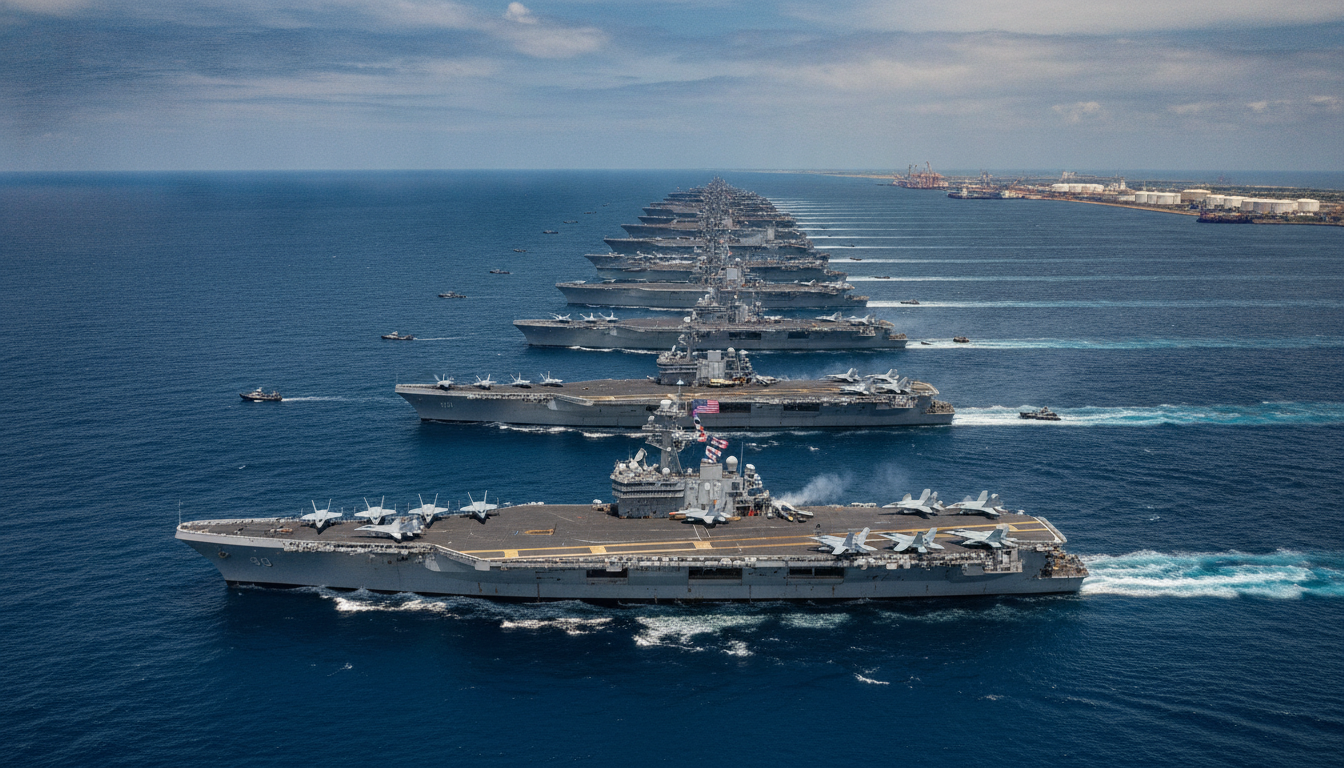
CENTCOM said more than 20 U.S. Navy warships and hundreds of military aircraft are operating across the Middle East to support the blockade and related missions. The deployment includes carrier strike groups, surface combatants and patrol assets positioned to monitor shipping lanes and respond to threats. (gulfnews.com)
Regional naval and air presence is intended to provide layered surveillance and interdiction capability, with ships able to board or turn away vessels assessed to be in breach of orders. Officials have said the force posture is calibrated to enforce the blockade while preserving navigation for compliant, non-threatening commercial traffic.
Timing, scope and operational details
Regional reporting and CENTCOM’s post noted the blockade was timed to begin at a specific hour that corresponds to midnight Gulf time for Gulf Cooperation Council states, following preparatory strike activity earlier in the day. CENTCOM additionally reported that strikes have continued against what it described as Iranian facilities and assets used to target commercial shipping. (gulfnews.com)
The command has signaled it will use surface and air assets to identify, track and, where necessary, redirect maritime traffic; it also indicated that interdiction could include boarding, escorting or turning away vessels that fail to comply. CENTCOM’s social media updates have been used to provide situational updates aimed at both regional partners and commercial maritime operators.
Risks to commercial shipping and energy markets
Analysts warn that a renewed US maritime blockade of Iran could disrupt shipping routes, insurance costs and global energy flows, given the strategic importance of the Strait of Hormuz and adjacent Gulf waterways. Past episodes of interdiction and attack saw commercial traffic rerouted or halted and pushed up freight rates and insurance premiums for tankers and bulk carriers. (apnews.com)
Energy markets may react quickly to tightened navigation or reduced exports from sanctioned or targeted ports, raising the prospect of short-term price volatility. Shipping firms and charterers are likely to reassess routes, risk premiums and crew safety measures while multinational insurers evaluate exposure in the corridor.
Iranian response and regional tensions
Iranian state and semi-official sources have in recent days described retaliatory measures, including strikes against vessels they identified as non-compliant, and have warned of consequences for any broad interdiction of their ports. Tehran’s security apparatus has framed maritime actions as countermeasures to what it calls coercive steps by external powers. (aljazeera.com)
The standoff has already contributed to a cycle of tit-for-tat strikes, and regional states are watching closely for spillover effects that could affect ports, offshore facilities and naval bases. Gulf littoral states face the immediate challenge of protecting commercial traffic and critical infrastructure while managing their diplomatic relationships with both Washington and Tehran.
Responses from international and maritime actors
Global maritime bodies, trading firms and some governments have urged de-escalation and clearer guidance for commercial operators, calling for coordination to keep sea lines of communication open. Governments with economic exposure to Gulf shipping have separately pressed for clarity on safety corridors, and international shipping registries have begun alerting owners to heightened risks. (washingtonpost.com)
Diplomatic channels are reportedly active as nations seek to prevent further escalation that could imperil civilian shipping and global energy supplies. Industry groups have emphasized the need for reliable navigational warnings, transparent procedures for inspections or interdictions, and protection for neutral merchant vessels.
The resumption of the blockade marks a sharp intensification in maritime steps taken by the United States in response to attacks on commercial shipping, and it raises immediate operational, legal and economic questions for governments, shipowners and insurers in the coming days.
