
Trump: Iran Held Financially Responsible for Damage to Ships and Cargo
President Trump said Iran will be held financially responsible for any damage to ships or cargo, proposing compensation from Iranian assets under U.S. control.
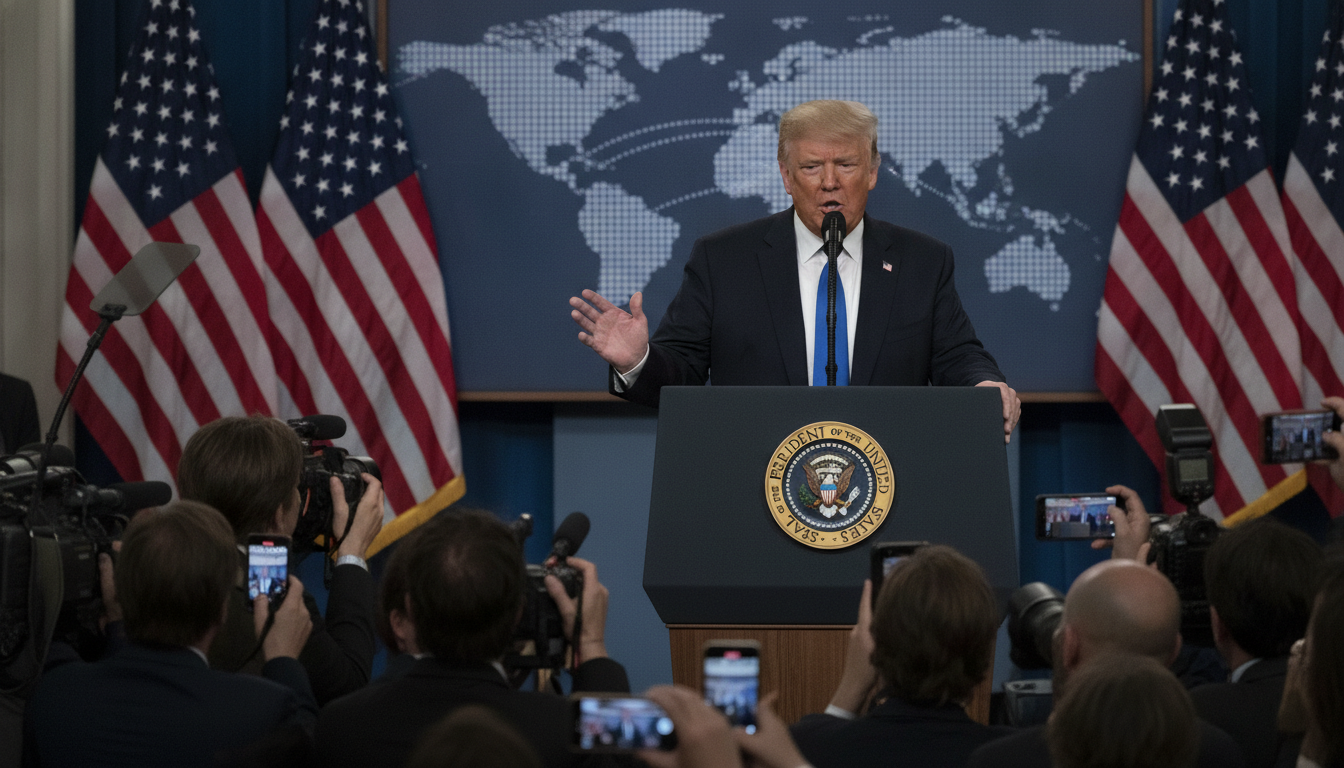
President Donald Trump announced on his social platform that Iran will be held financially responsible for any damage to ships, cargo, or related property, saying compensation should come from Iranian funds he said the United States controls. The declaration, posted on Truth Social, framed the measure as an equitable remedy for maritime losses and warned that payouts could be significant. The statement immediately raised questions among shipping firms, insurers and legal experts about how such claims would be pursued and enforced.
Trump’s Truth Social Post
The president wrote that “from this moment forward” any damage to vessels or goods should be paid from Iranian funds that the United States owns and controls. He described the action as fair and just, and acknowledged that potential damages could be “very large.” The post did not set out a legal mechanism or a timeline for converting frozen or controlled assets into compensation payments.
White House officials did not provide detailed legal steps in the immediate aftermath of the post, and the announcement was voiced as a policy stance rather than the release of a formal executive order. The absence of a published implementing directive leaves maritime operators and governments seeking clarity on how claims would be validated and processed.
Potential Claims Against Iranian Assets
If pursued, the plan would require a legal route to identify eligible Iranian funds and certify claims for damage to shipping and cargo. Funds broadly described as “under U.S. control” can include frozen assets tied to sanctions, settlements, or court judgments, but converting such assets into compensation typically involves court rulings or legislation. Owners of damaged vessels and cargo would likely need to bring claims through civil litigation or designated administrative channels.
Shipowners, cargo insurers and freight operators will want clear standards for evidence, valuation and priority of claims. Questions will also arise about whether compensation would be limited to direct physical loss or extend to consequential economic damages such as lost freight, salvage costs and delayed deliveries.
Maritime and Insurance Implications
The president’s statement immediately spotlights commercial and insurance markets that underwrite global shipping risks. Insurers price coverage based on perceived threats, and a policy linking state assets to commercial claims could shift risk calculations for voyages transiting contested waters. Underwriters and brokers will be watching for formal guidance that affects premiums, deductibles and the scope of war-risk or political-risk exclusions.
Shipping companies operating in the Gulf, Strait of Hormuz and adjacent seas could see heightened scrutiny of routing and contractual terms. Charterers and carriers may seek stronger indemnities or revise bills of lading to allocate responsibility more explicitly if the prospect of state-linked compensation alters the risk landscape.
Regional Security Context
The announcement comes against a backdrop of longstanding tensions between Tehran and Washington and a history of incidents affecting commercial shipping in the region. Attacks, seizures and near-miss confrontations in regional waters have previously raised concerns among navies and commercial operators. Any unilateral move to designate a state financially liable for maritime incidents has the potential to escalate diplomatic friction and complicate multilateral de-escalation efforts.
Regional states and international partners will assess whether the statement represents an operational shift or a rhetorical escalation. Military escorts, naval patrols and coalition monitoring of shipping lanes are likely to factor into assessments of risk and the feasibility of enforcing compensation claims without broader diplomatic agreement.
Legal and Diplomatic Challenges Ahead
Turning a presidential statement into enforceable compensation involves intersecting legal systems and international law principles. Questions include jurisdiction, sovereign immunity, the provenance of assets, and whether targeted funds are subject to prior claims or judgments. Enforcement may require coordination with courts, foreign governments and international financial institutions to ensure lawful transfer of assets to claimants.
Diplomatically, the move could trigger official responses from Tehran and allies engaged in dialogues over sanctions, nuclear issues and regional security. Negotiations over frozen assets, sanctions relief or settlement mechanisms have historically been complex and can take months or years to resolve.
Shipowners, insurers and governments seeking practical guidance will likely press for procedural rules, evidentiary standards and an oversight mechanism that ensures transparency and accountability. Without those elements, affected parties may face protracted legal battles and uncertainty over whether and when they would receive compensation.
The coming days will be watched for any formal directives, legal filings or diplomatic messaging that clarify how the United States intends to identify eligible victims, assess damages and transfer funds.
