
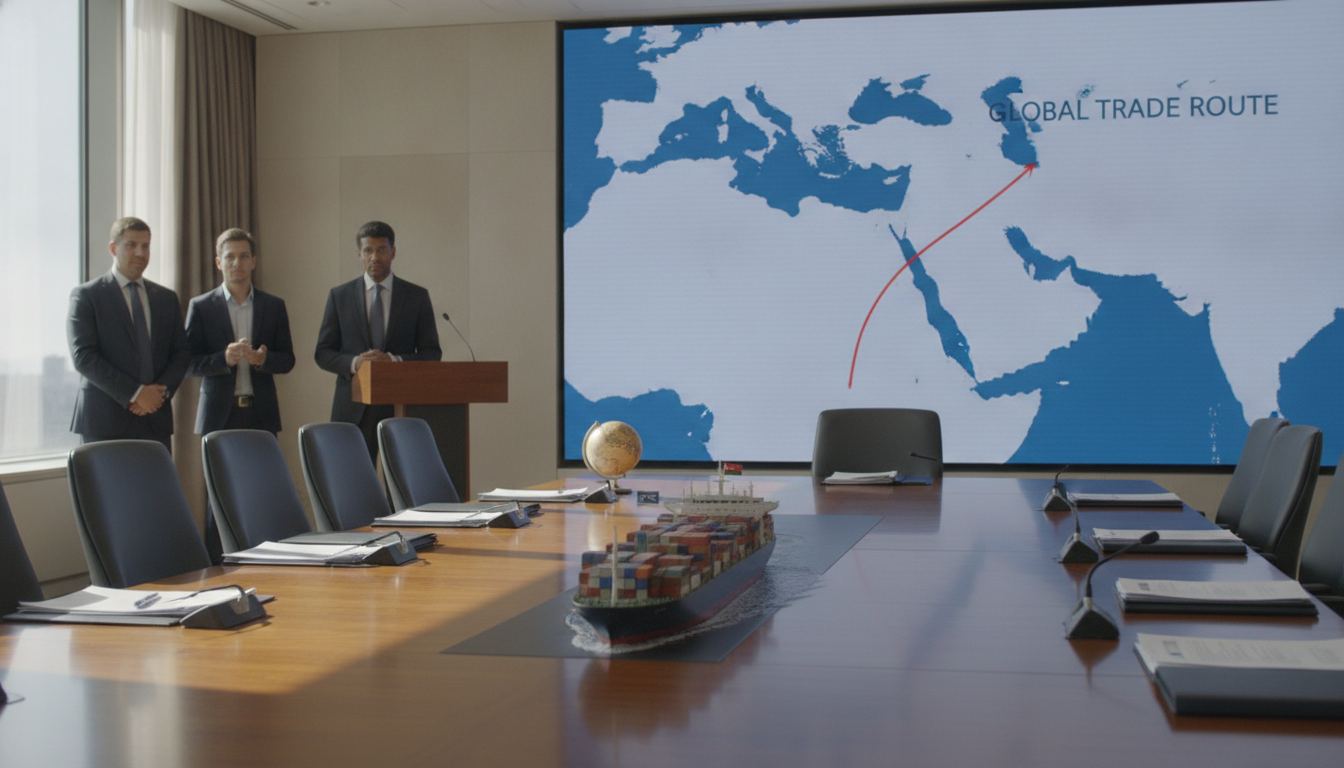
U.S. Says Deal With Iran Could Reopen Strait of Hormuz, Easing Energy Market Fears
U.S. Treasury Secretary Scott Bessent says talks with Iran could reopen the Strait of Hormuz on August 5, 2026, easing energy-price volatility worldwide.
The United States indicated on Tuesday that negotiations with Iran could produce an agreement to reopen the Strait of Hormuz as soon as Wednesday, August 5, 2026. U.S. Treasury Secretary Scott Bessent told CNBC that talks were underway and expressed optimism an accord could secure freedom of navigation and help steady energy markets. The development, if confirmed, would mark a rapid diplomatic shift after weeks of heightened maritime tensions in the Gulf.
U.S. Official Signals Possible Agreement
Bessent told CNBC that Washington was engaged in direct discussions with Tehran and that there was “a chance” of concluding an understanding by Wednesday, August 5, 2026. He framed the potential deal as one that would guarantee freedom of navigation through the Strait of Hormuz. The Treasury secretary said reopening the vital waterway would lower pressure on global energy prices by reducing a key source of market uncertainty.
Scope and Terms Discussed
Officials described the talks as focused narrowly on maritime access and safety rather than a broader political settlement. According to Bessent, any agreement would include assurances for unhindered commercial shipping and measures to prevent future blockages. The U.S. did not detail specific enforcement mechanisms or verification steps, saying those elements remained under negotiation and could involve third-party monitoring or predefined phases.
Potential Impact on Energy Markets
The Strait of Hormuz is a critical conduit for oil and liquefied natural gas exports from the Gulf, so any move to reopen it would be closely watched by energy traders. Market reaction is likely to be measured, as traders weigh the credibility of the agreement and its durability. Analysts note that even a partial reopening or a time-bound guarantee could reduce risk premia in oil markets and ease upward pressure on fuel prices.
Regional Security and Diplomatic Implications
A diplomatic resolution to keep the Strait of Hormuz open would carry immediate security and diplomatic ramifications across the Gulf. Regional states, including the United Arab Emirates and other Gulf Cooperation Council members, have a direct interest in uninterrupted maritime flows. The deal could prompt consultations among Gulf capitals, international naval partners, and shipping industry stakeholders to align on operational details and maritime safety protocols.
Risks, Verification and International Roles
Observers stressed that successful implementation hinges on robust verification and channels for dispute resolution. Skeptics warned that a short-term political agreement could be fragile without independent monitoring or clear consequences for breaches. International partners or maritime security coalitions may be asked to play supportive roles in monitoring transit lanes and providing escorts, but officials stopped short of naming specific contributors while talks continue.
Next Steps and Timeline
U.S. officials said further conversations were planned and that any agreement would be announced publicly once terms were finalized and verification arrangements were in place. Diplomatic teams are expected to coordinate rapidly in the coming days to translate the verbal understanding into operational measures. Shipping companies and insurers will monitor official communiqués closely before adjusting route plans, coverage and premiums.
If an agreement is confirmed on Wednesday, August 5, 2026, shipping operators could begin resuming normal transit patterns subject to any new protocols. Market participants will look for official statements detailing when and how full commercial traffic will be cleared to reduce ambiguity. Governments in the region will also assess the arrangement’s implications for long-term maritime security and economic resilience.
The coming 48 hours will be critical for testing whether the tentative diplomatic momentum can be converted into a durable operational framework that restores stable transit through the Strait of Hormuz and reduces strain on global energy markets.
