
Bolivia Declares State of Emergency After 50 Days of Disruptive Protests
Bolivia declares state of emergency as President Rodrigo Paz authorises army deployment to clear 50-day roadblocks that paralysed food, fuel and medicine supplies.
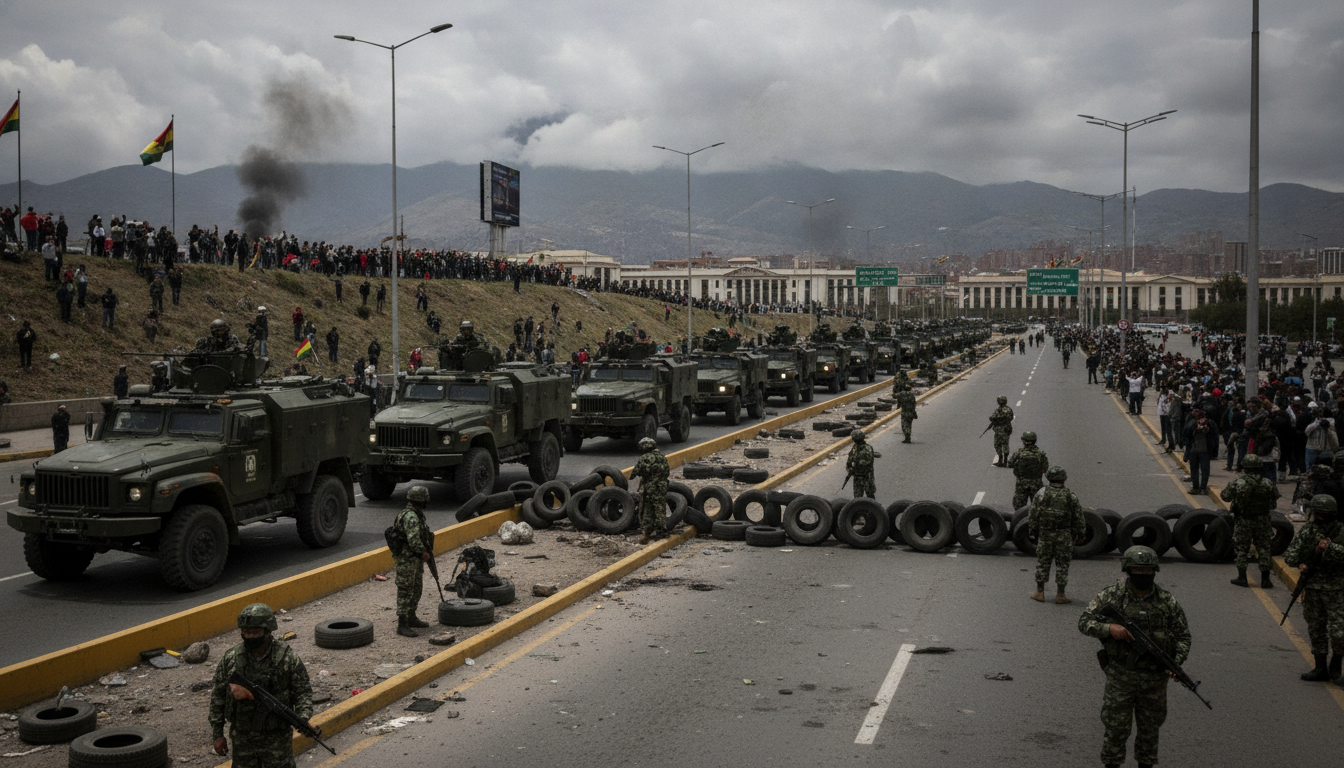
Bolivia state of emergency was declared on Saturday as President Rodrigo Paz issued a decree allowing a wider military deployment to remove barricades and restore order after protests that have frozen large parts of the country for fifty days. The decree takes immediate effect but requires the president to notify Congress within 24 hours, with lawmakers given up to 72 hours to approve or reject the measure. The move comes as shortages of fuel, food and medicines have intensified public discontent and strained local economies.
President Declares State of Emergency in Bolivia
The decree announced in a live address empowers security forces to operate more broadly to dismantle roadblocks and reopen key transport routes. President Paz framed the action as necessary to protect supply chains and public safety after prolonged disruption. Officials said the decision followed failed attempts to reach a lasting solution through negotiations alone.
Emergency Powers Allow Wider Army Deployment
Under the emergency measures, military units will assist police in removing barricades and ensuring free movement on major highways and access roads. Authorities stressed that the deployment is limited to specified objectives and subject to oversight once Congress reviews the decree. Human rights and civil liberties groups are expected to monitor the implementation closely as the security operation expands.
Roadblocks and Protests Disrupt Supply Chains for 50 Days
Protesters, many aligned with former president Evo Morales, have maintained blockades on principal routes, halting truck convoys and choking deliveries to urban centres including La Paz. Drivers have been stranded for days along blocked corridors, leaving supermarkets, pharmacies and petrol stations with dwindling stocks. The stoppages have compounded transport costs and delayed critical medical shipments to remote regions.
Public-sector unions and allied groups broadened demands beyond the original grievances, turning localized demonstrations into nationwide mobilization. Workers have called for wage increases, emergency measures to stabilise the domestic currency and assurances on fuel availability. Demonstrators also intensified calls for President Paz’s resignation, citing economic hardship and contested policy decisions.
Fuel Subsidy Cut Sparked Wider Unrest
The crisis began after the government abruptly ended longstanding fuel subsidies as part of measures to reduce a growing fiscal deficit, a move taken amid mounting pressure from a currency squeeze and negotiations with the International Monetary Fund. The subsidy removal pushed domestic fuel prices higher and immediately hit transport costs and household budgets. Although authorities later announced steps to stabilise pump prices and paused certain contested land reforms, discontent had already spread beyond the initial issue.
Analysts say removing subsidies without a phased plan or compensatory cushioning for the most vulnerable exposed deep social fault lines. The speed of the policy change and the visible impact on daily prices fed distrust among rural and urban populations alike. That mistrust helped unite disparate groups under a single banner of protest.
Negotiations Yield Temporary Agreement with Main Union
On Friday, the government reported reaching an accord with the Bolivian Workers’ Union intended to alleviate short-term tensions and reopen channels for dialogue. President Paz referred to the agreement in his televised address shortly before declaring the emergency, signalling an effort to couple negotiations with stronger enforcement measures. Union leaders welcomed aspects of the deal but warned that implementation would be the key test.
Despite the accord, many demonstrators remained on the roads and in public squares, citing unmet demands and scepticism about government guarantees. The persistence of blockades after the agreement suggested that rank-and-file activists and local leaders were not uniformly satisfied. Negotiators on both sides have signalled willingness to resume talks, while stressing that security measures will continue.
Legal and Congressional Timeline for the Emergency Decree
The emergency decree requires a formal notice to Congress within 24 hours, after which lawmakers have up to 72 hours to approve or revoke the measure. That timetable places legislators at the centre of the next phase of the crisis, with opposition and pro-government factions likely to dispute the scope and duration of the emergency powers. Constitutional advisers have indicated that Congress can demand clarifications or amendments as part of its review.
Legal experts say the constitutional safeguards and the fast-track review process aim to balance executive urgency with legislative oversight. International observers and diplomatic missions are expected to follow the congressional debate closely, given the potential implications for civil liberties and the right to protest. The outcome in parliament will shape whether the security response proceeds with broad legal backing or faces legal challenges.
Economic and Humanitarian Toll Mounts Across Municipalities
The prolonged disruption has inflicted mounting damage on the economy, with supply-chain interruptions raising consumer prices and threatening production in several sectors. Small businesses in affected cities report severe revenue declines as inventory runs low and customers postpone purchases. Rural communities have reported increasing difficulty accessing basic medicines and fuel needed for agriculture and transport.
Local governments have issued emergency appeals to central authorities for humanitarian assistance in the hardest-hit areas, while hospitals have scrambled to manage dwindling supplies. Analysts warn that continued blockades could push vulnerable households into deeper food insecurity if the situation is not resolved in the coming days. International agencies have signalled readiness to support relief efforts if requested.
The next 72 hours of congressional review and the government’s implementation strategy will determine whether Bolivia’s declared emergency eases the immediate disruptions or deepens public anger. As troops prepare to move on key chokepoints and negotiators attempt to consolidate the weekend accord, the country faces a delicate balance between restoring essential services and preserving democratic safeguards.
