
Daley Blind’s comeback: implanted heart device, sudden collapses and key role in Netherlands’ 2022 World Cup run
Daley Blind defied a life-threatening heart condition, returning to professional football with an implanted cardioverter-defibrillator and becoming a key figure in the Netherlands’ 2022 World Cup campaign. The defender’s journey from a sudden collapse in 2019 to scoring and assisting in the group-stage win over the United States highlighted both medical resilience and professional determination. Blind’s story has since become a reference point in discussions on player safety and the management of cardiac conditions in elite sport.
Unexpected collapse in Amsterdam, December 2019
Daley Blind first suffered a public health scare in December 2019 during Ajax’s Champions League match against Valencia, when he suddenly fell to the pitch after experiencing severe dizziness. Medical examinations that followed identified acute myocarditis and a dangerous rhythm disorder that threatened his playing career. At the time, team doctors and specialists warned that continuing at the elite level would be risky without further intervention.
Surgical intervention and the implanted device
Following the diagnosis, Blind underwent surgery to have an implantable cardioverter-defibrillator (ICD) placed subcutaneously to monitor and, if necessary, correct life‑threatening arrhythmias. The device is designed to deliver an immediate electrical shock to restore normal heart rhythm in the event of sudden cardiac arrest. Club and medical staff implemented strict monitoring and a phased return-to-play programme to balance competitive demands with ongoing cardiac surveillance.
Life-saving shock during a friendly in 2020
In August 2020, during a pre-season friendly against Hertha Berlin, Blind collapsed on the field again as his heart rate spiked to dangerous levels. The implanted device delivered a shock that restored his heartbeat, an intervention credited with preventing a fatal outcome. The episode underscored the ICD’s role not just as a medical precaution but as an immediate life-saving mechanism during moments of acute cardiac crisis.
Return to international duty at the 2022 World Cup
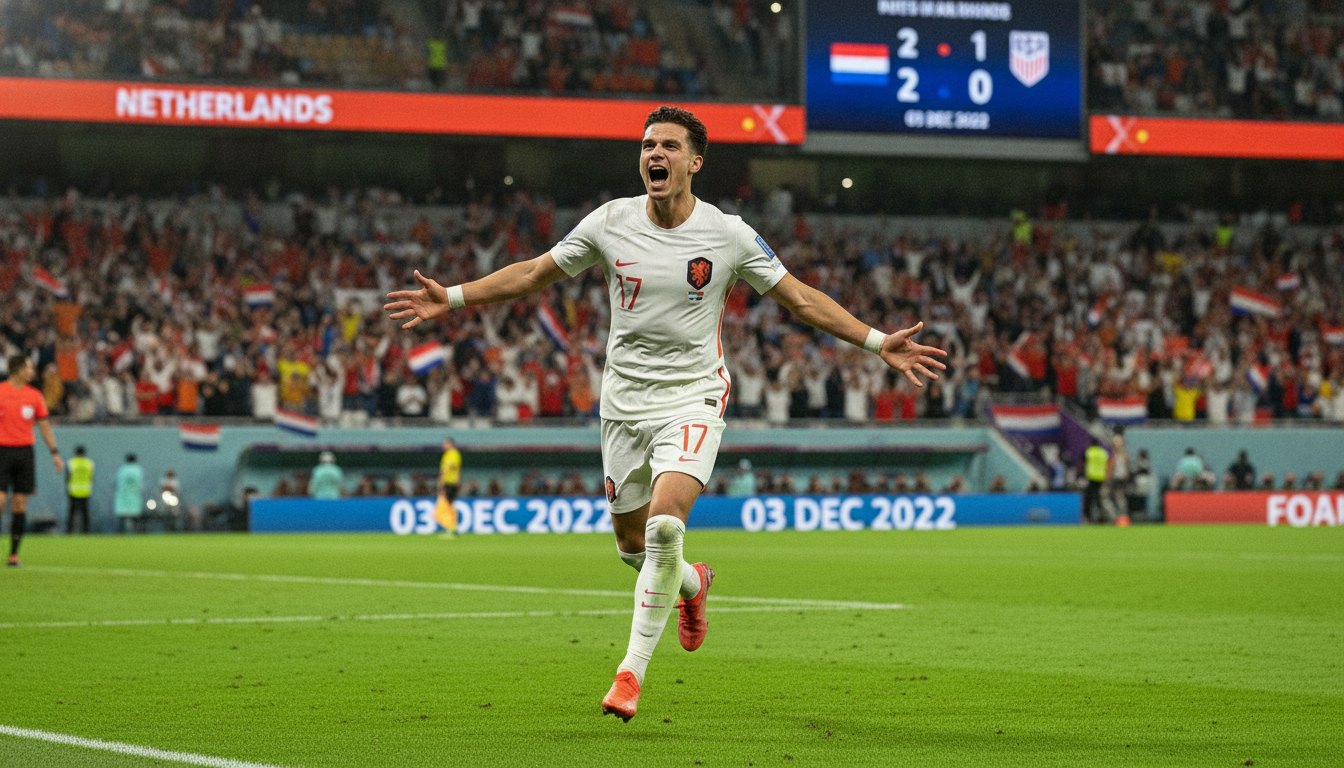
Despite earlier warnings that his professional career may be over, Daley Blind was recalled to the Netherlands squad for the 2022 FIFA World Cup by coach Louis van Gaal. Blind became a mainstay in the Dutch defence, providing experience and composure as the team advanced from the group stage. His performance against the United States, where he scored one goal and provided an assist in a 3–1 victory, stood out as a defining moment of his tournament.
Medical resilience and sporting performance
Blind’s case illustrates how modern cardiac care and multidisciplinary management can enable athletes to continue competing at top levels after serious diagnoses. Regular follow-up, device checks, tailored training, and conservative management of exertion were central to his return. Medical teams emphasized that each case requires individualized assessment, and Blind’s progression reflected close cooperation between cardiologists, club doctors and coaching staff.
Impact on player welfare conversations
The high-profile nature of Daley Blind’s situation has prompted renewed discussion about screening, emergency preparedness and the ethics of permitting players with significant cardiac devices to participate in elite competition. Sports governing bodies and clubs have faced pressure to ensure automated external defibrillators, trained medical personnel and clear return-to-play protocols are in place. Blind’s experience has been cited in calls for more consistent international standards for cardiac screening and on-field emergency response.
Blind’s career arc from collapse to World Cup contributor remains a powerful example of how medical technology, timely intervention and cautious management can preserve both life and livelihood for elite athletes. His performances in Qatar not only relieved doubts about his ability to compete but also sparked wider debate about balancing athlete safety with sporting ambition.
