
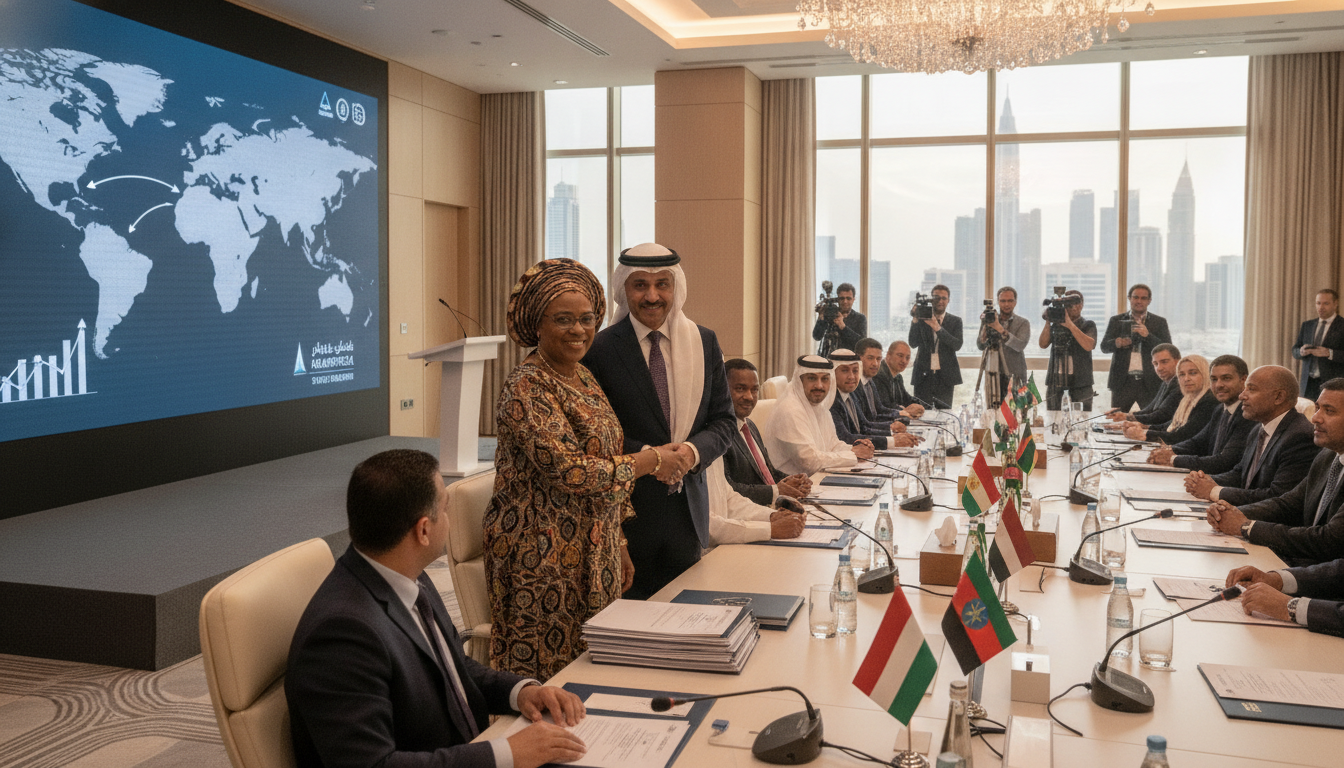
Dubai-Africa trade surges 325% to $146bn as Dubai invests $77bn in continent (2016–2025)
Dubai-Africa trade climbed 325% from 2016–2025 to $146bn, with $77bn invested and 70,000 jobs created as Dubai expands overseas offices to deepen ties.
Dubai’s trade and investment ties with Africa strengthened dramatically over the past decade, with non-oil trade between the emirate and the continent rising 325 percent to reach $146 billion in 2025. The surge, driven by concerted government and private-sector outreach, has placed Africa among the most important economic corridors for Dubai as it seeks new markets and partners. Dubai’s increased engagement included targeted trade missions, corporate relocations, and an expanding overseas office network that have together reshaped the emirate’s commercial footprint across the continent.
Trade growth and scale
The increase in non-oil trade to $146 billion (around AED 536 billion) in 2025 marks a rapid expansion in commercial exchange between Dubai and African markets. Africa accounted for 17.2 percent of Dubai’s total global trade in 2025, underscoring the continent’s rising importance in the emirate’s external commerce strategy. Officials say the growth reflects both higher volumes of goods and deeper service-sector links, particularly in logistics, re-exports and commodity trading.
Investment flows and job creation
Between 2016 and 2025 Dubai’s cumulative investments in Africa reached approximately $77 billion, according to Dubai Chamber figures. Those investments are estimated to have supported more than 70,000 jobs across multiple African economies, spanning sectors such as logistics, real estate, energy and financial services. The investment profile indicates a mix of direct project finance, corporate acquisitions and joint ventures with African partners.
Strategic alignment with D33 agenda
Dubai’s outreach to Africa is part of the emirate’s broader D33 economic agenda, which aims to double the size of Dubai’s economy by 2033. Africa features prominently in Dubai’s targeted corridors for growth under D33, with policymakers emphasizing diversification of export markets and the creation of new investment pipelines. Officials argue that deeper African ties will help sustain Dubai’s long-term trade expansion while opening channels for Emirati firms to scale regionally.
Trade missions and market engagement
In recent years Dubai Chamber and related trade bodies organized missions to priority African markets including Ghana, Ethiopia and South Africa, sending delegations that included more than 20 Dubai companies. These missions focused on identifying investment opportunities, negotiating partnerships and building supply-chain linkages that facilitate market entry. Chamber executives say practical, on-the-ground engagement has been central to converting interest into contracts and joint ventures.
Rise in African business presence in Dubai
The number of African companies registered with Dubai’s chambers has grown rapidly, surpassing 30,000 members and recording an annual growth rate of 14.3 percent. This corporate increase highlights Dubai’s appeal as a regional hub for African businesses seeking access to international markets, banking services and logistics infrastructure. Observers note that company incorporations and representative offices also enable stronger diaspora-led trade flows and cross-border investment.
Expansion of Dubai’s global network
To support its outward-facing strategy, Dubai Chambers’ international network under the “Dubai Global” initiative now comprises 39 representative offices, with plans to expand to 50. These offices serve as commercial platforms to assist companies on both sides, offering matchmaking services, market intelligence and regulatory guidance. The expansion is intended to lower barriers for businesses and accelerate deal-making between Dubai and African markets.
Dubai Chamber officials, including Salem Al Shamsi, vice president for international relations, have described Africa as a central growth axis for Dubai and stressed continual efforts to deepen business-to-business links. They point to the combination of robust trade growth, sizable investment flows and an expanding institutional network as evidence that Dubai is positioning itself as a gateway between African producers and global markets.
The data from 2016–2025 signal a strategic shift in Dubai’s external economic posture, with Africa now featuring as a core component of future growth plans under D33. Continued monitoring of trade patterns, investment outcomes and the performance of representative offices will be important to assess how these ties translate into sustainable economic benefits for both Dubai and its African partners.
