
Gianni Infantino Sought US Backing After FIFA Abandoned $4.2bn World Cup Rights Plan
Gianni Infantino sought US support after FIFA shelved a $4.2bn proposal to sell a stake in World Cup commercial rights, sources told the New York Post amid mounting criticism.
Gianni Infantino, the president of FIFA, reportedly reached out to senior US figures as pressure mounted following the collapse of a major commercial proposal aimed at bringing private investment into FIFA’s competitions. The New York Post cited people familiar with the matter who said Infantino felt isolated after intense media and stakeholder backlash.
Infantino’s reported outreach to US officials
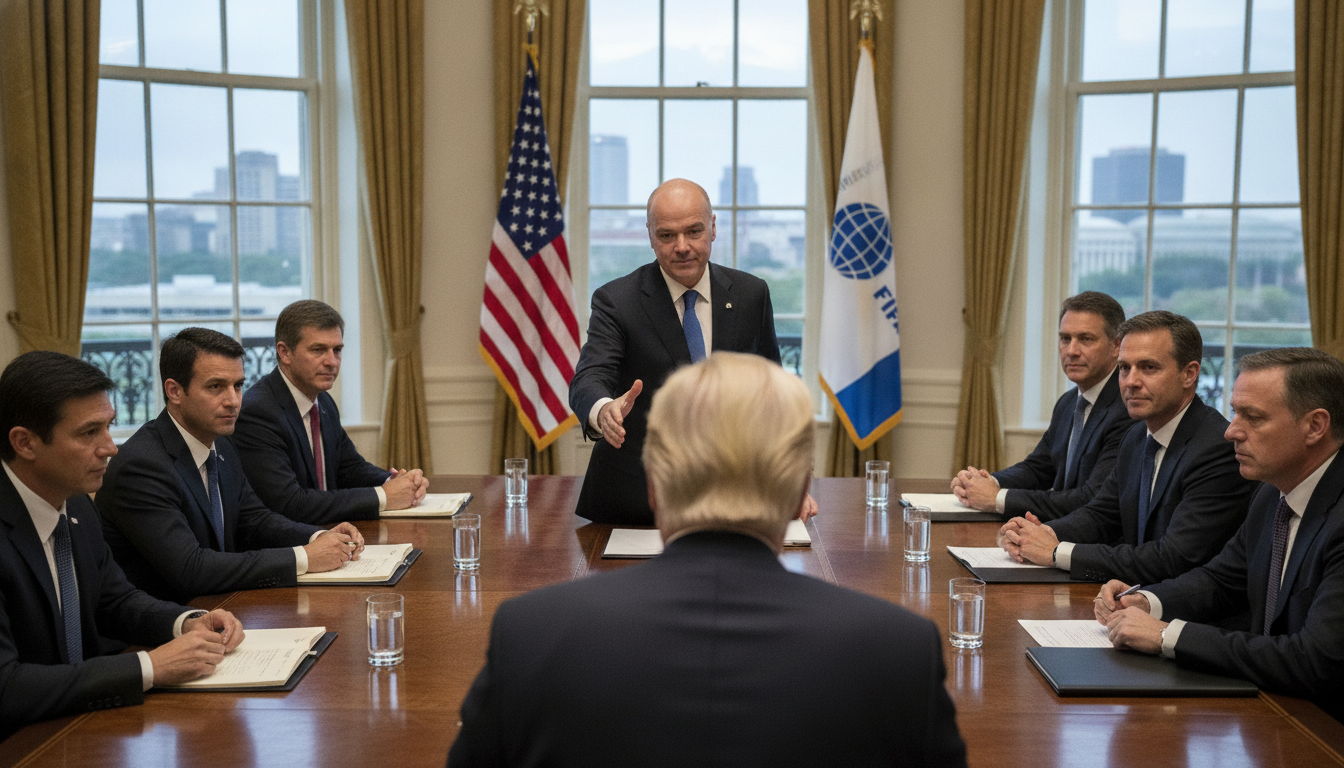
Reports said Infantino attempted to contact then-President Donald Trump and arranged talks with senior US figures in an effort to shore up political support. Those efforts were described by sources as part of a wider push to counter growing criticism within football circles and the media.
A US State Department official subsequently denied that certain planned conversations took place, and spokespeople for the administration declined to confirm any private interventions. The conflicting accounts underscored the sensitive diplomatic dimension of the controversy and raised questions about the accuracy of some of the claims.
Details of the abandoned commercial plan
FIFA had proposed creating a new commercial entity to manage its competitions and sell a minority stake of roughly 20 percent to private investors. The plan was intended to unlock as much as $4.2 billion in outside capital and to bring new commercial partners into the sport’s top competitions, including the World Cup.
The proposal was withdrawn late on Friday after vigorous resistance from member associations, confederations and some national federations. Critics questioned the governance implications and the potential loss of member control over FIFA’s core assets.
Reasons behind the backlash
Opponents of the plan voiced concerns that transferring control of commercial rights to a private vehicle would dilute accountability and concentrate power among a small group of investors. Many federations said they had not been adequately consulted before the proposal was circulated.
Legal and regulatory doubts were also raised, with observers warning that long-term contractual commitments could limit FIFA’s future policy flexibility. The combination of political, legal and reputational worries proved decisive in forcing a rapid reversal.
Implications for FIFA’s finances and strategy
The abandonment of the sale has immediate financial implications for FIFA’s strategy to diversify revenue sources and tap private capital. Supporters of the plan argued it would have generated funds to invest in development projects, women’s football and expanded global programming.
Skeptics countered that the short-term cash infusion would come at the cost of strategic autonomy and that alternative financing routes should be explored. The episode has prompted renewed debate inside FIFA about the balance between commercial growth and member-driven governance.
Re-election prospects and internal politics
Gianni Infantino, 56, now faces intensified scrutiny over his leadership and his plans to run for another term covering 2027–2031. The failed initiative has been seized upon by critics who question his judgment and the transparency of his decision-making process.
Some member associations are expected to demand fuller explanations and reassurances ahead of any future electoral bid, while potential challengers may view the episode as an opening to mobilize support. How Infantino responds publicly and in private consultations will shape his standing in the months ahead.
Possible next steps for FIFA governance
In response to the controversy, FIFA may pursue a more cautious, consultative approach when developing major commercial reforms. Options include widening consultations with confederations and member associations, commissioning independent reviews, or proposing scaled-back partnership models that preserve member control.
Analysts say an inclusive process, clear governance safeguards and transparent financial modelling would be essential to rebuild trust. Any future proposals will likely be judged not only on commercial merit but also on their political acceptability among FIFA’s diverse membership.
The episode marks a significant moment for FIFA and for Gianni Infantino’s presidency, highlighting the challenges of balancing commercial ambition with the expectations of football’s global stakeholders. As discussions continue behind closed doors, the organisation faces pressure to demonstrate clearer governance, broader consultation and a path forward that reconciles investment objectives with accountability and member oversight.
