
Iran-U.S. deal lauded by Tehran as strategic victory despite military and economic losses
Iran-U.S. deal praised by Iranian leaders as a sign of resilience, even as Tehran counts dead officials, missile losses and mounting economic strain after the conflict pause.
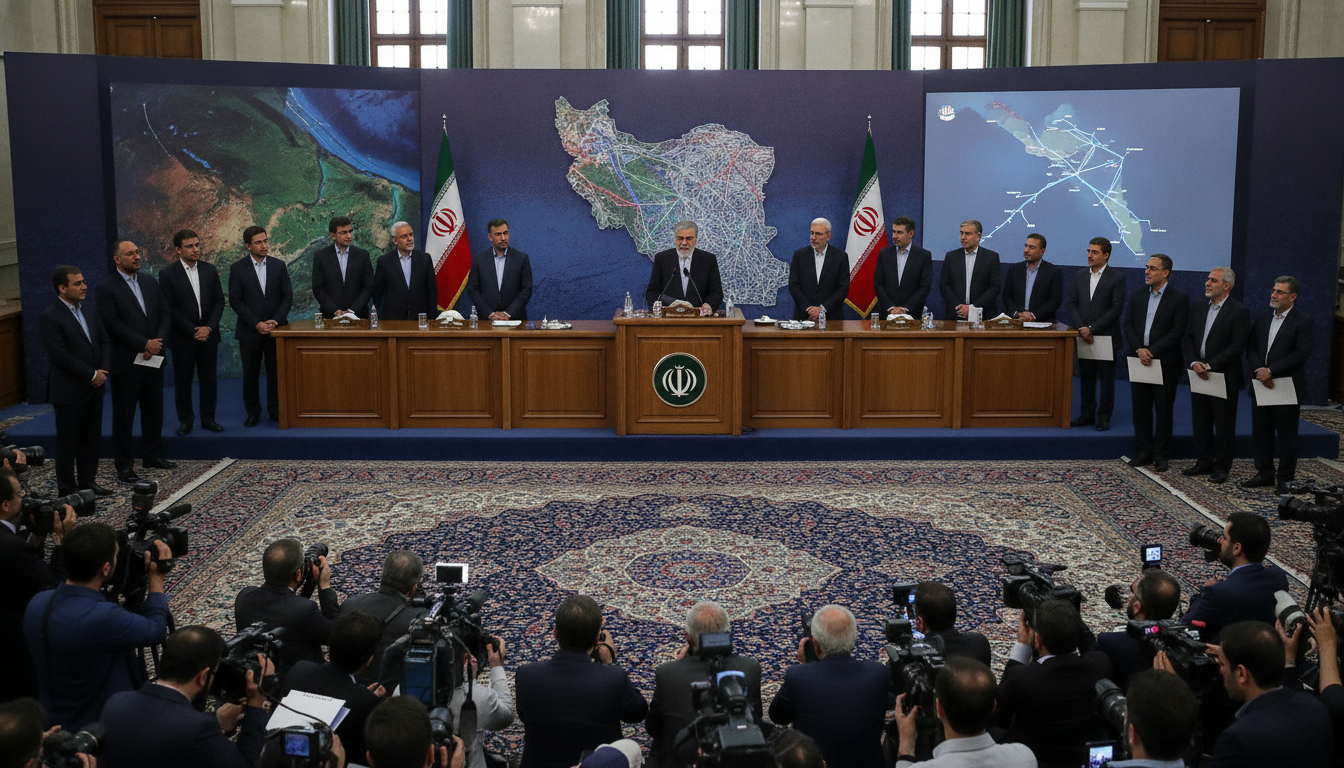
Iran’s political and military leadership on Monday portrayed the Iran-U.S. deal that paused active hostilities as a diplomatic triumph, declaring the agreement proof of Tehran’s resilience against a stronger adversary. Senior figures from across Iran’s political spectrum celebrated the pause even as the country grapples with the deaths of key officials, significant missile losses and further pressure on an already fragile economy. Negotiators in Tehran argued the accord falls short of American wartime aims and framed the outcome as a validation of Iran’s resistance. The celebratory tone from state leaders contrasts with vocal domestic protests that describe the agreement as a betrayal of those killed during the fighting.
Leadership Frames Deal as Victory
Mohammad Bagher Ghalibaf, speaker of Iran’s Parliament and a central figure in the negotiations, told supporters the deal marked “a major step toward final victory,” language echoed by a range of clerics, generals and elected officials. Officials emphasized that the agreement did not meet former U.S. goals of total surrender, allowing Tehran to claim diplomatic success. Statements from top political bodies sought to present a unified front, signalling to both domestic audiences and foreign capitals that Tehran emerged from the crisis with its standing intact. Messaging from state institutions highlighted continuity and portrayed the pause as the result of Iranian resolve rather than foreign concession.
Domestic political leaders amplified the victory narrative in part to blunt criticism at home and deter opposition elements from exploiting divisions. Public pronouncements from powerful oversight councils, and televised commentary, stressed themes of renewed resistance and the defeat of perceived external plots.
Domestic Backlash and Hard-line Protests
Despite official celebrations, a vocal hard-line minority has denounced the deal as a betrayal of those who died during the war, staging protests and issuing sharp criticisms of negotiators. Hard-line factions have argued that the sacrifices of the battlefield should not be offset by concessions, and they have demanded accountability for what they call insufficient compensation or justice. The political rift has compelled Tehran’s leadership to amplify unity in public messaging to avoid a deeper split at a sensitive moment. Authorities have sought to balance acknowledgement of loss with rhetoric that the pause safeguards national interests.
At the same time, pragmatic and moderate voices within Iran who survived the conflict have been quieter or marginalized, changing the tenor of internal political debate. That realignment of domestic forces could influence future policy choices, particularly on security and diplomatic concessions.
Military Losses and Power Shifts
The pause came after Iran suffered heavy personnel losses among senior political and military figures, a reduction in ballistic missile stocks and sustained naval pressure. Observers note that the Islamic Revolutionary Guard Corps (IRGC) has emerged from the conflict with expanded authority, consolidating influence across security and political spheres. The removal of several pragmatic national-security officials has altered Tehran’s decision-making architecture and raises questions about how hardline military interests will shape future negotiations. Analysts warn the concentration of power within the IRGC may reduce incentives for compromise in subsequent talks.
These battlefield setbacks, however, have been reframed in Tehran as the price of testing resilience, with state narratives emphasizing endurance rather than defeat. The recalibration of institutional power may have long-term implications for Iran’s foreign policy and internal governance.
Terms and Maritime Leverage
One central element of the Iran-U.S. deal is the restoration of commercial shipping through the Strait of Hormuz, returning maritime movements to their pre-war status in principle. Tehran’s negotiators, however, signalled they may assert new leverage by levying fees for passage — a step the country did not take before the conflict. Iranian officials framed such measures as lawful compensation and a reflection of the strategic value they demonstrated during the confrontation. U.S. statements about the agreement describe resumed transit but differ from Tehran on ancillary measures such as fees and enforcement mechanisms.
Washington’s public commentary and criticism of allied military actions that threatened the talks also influenced Tehran’s posture, enabling Iranian leaders to argue that external pressures ultimately produced a negotiated pause rather than unconditional surrender.
Regional and International Reactions
Regional capitals and international observers reacted to the pause with a mix of cautious relief and scepticism about long-term stability. Israeli officials and other Gulf states voiced concern that any perception of Iranian advantage could embolden Tehran’s regional posture. Conversely, some diplomats viewed the agreement as an opportunity to de-escalate immediate risks to commercial shipping and civilian populations. Experts monitoring Iran concluded the deal could leave Tehran politically emboldened, even after suffering tactical losses. Commentary by analysts described an unusual diplomatic outcome in which battlefield setbacks translated into a negotiated respite for Tehran.
International actors now face the task of translating the pause into durable arrangements while monitoring whether shifts in Iran’s internal balance of power generate renewed friction. The delicate balance between deterrence and diplomacy will shape the region’s trajectory in the months ahead.
The Iran-U.S. deal has produced competing narratives: Tehran’s leadership presents a story of resilience and diplomatic success, while critics inside and outside the country point to human losses and economic strain as evidence of a costly pause. How the terms are implemented, how domestic politics evolve in Tehran, and whether maritime and military leverage are exercised will determine if the accord becomes a stable foundation for longer-term de-escalation or a temporary reprieve before renewed confrontation.
