
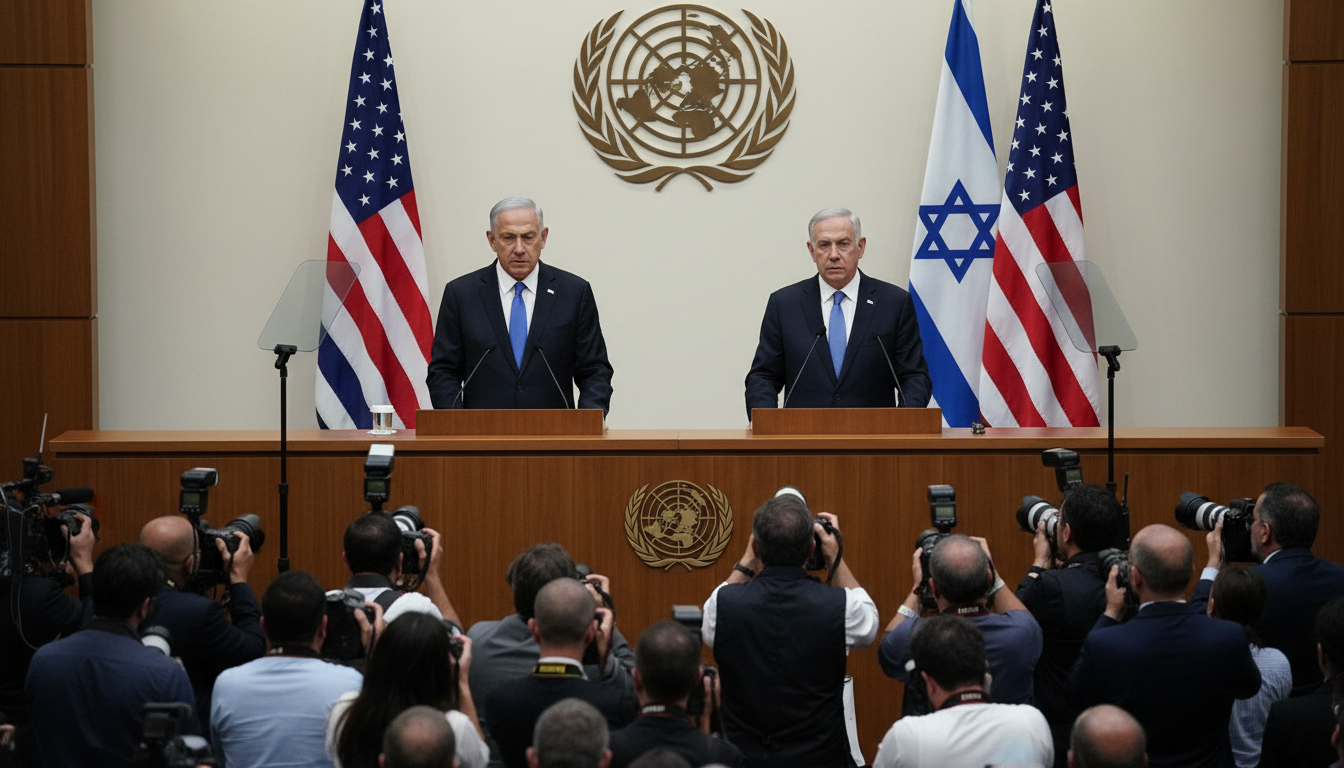
Israel-US offensive against Iran reportedly planned for early next week, targeting energy, leadership and nuclear sites
Intelligence indicates an Israel-US offensive against Iran could start next week, targeting energy, leadership and nuclear sites, now amid regional alarm.
The latest intelligence and military leaks indicate a planned Israel-US offensive against Iran is being readied for early next week, according to Israeli media and multiple security sources. The operation is described as broad in scope, with a joint “bank of targets” that extends beyond military facilities to critical infrastructure and senior leadership nodes. Israeli and US planners say the objective is to deliver a decisive blow intended to force Tehran back to the negotiating table from a position of weakness.
Joint target list includes energy infrastructure, leadership and nuclear holdings
Reports circulated by Israeli outlets and unnamed military sources say the target set compiled by the Israeli Air Force and US forces covers power generation and other critical energy installations. Planners argue that striking energy infrastructure could create systemic paralysis and increase pressure on Iran’s political and security leadership. The list also reportedly includes specific senior individuals identified as strategic targets for targeted elimination to disrupt command-and-control.
Military sources further describe contingency plans for limited ground operations by special forces to seize or secure enriched uranium stocks and other sensitive nuclear material. Those contingencies are framed as narrow, high-risk raids intended to remove or relocate critical material rather than a broad ground invasion. Officials who spoke to the press emphasized the technical complexity and political sensitivity of any such incursions.
Military planners anticipate heavy missile reprisals while seeking a short, decisive campaign
Israeli defence assessments included in the leaks warn of an intense Iranian missile and rocket response within the opening days of any campaign, with expectations of sustained salvos against military and population centers. In reaction, campaign planners have settled on a “short-burst” approach that aims to rapidly degrade Iran’s missile and air-defence capabilities. The goal articulated by those planners is to compress the fighting into days rather than weeks, limiting exposure and preventing a protracted conflict.
The Israeli concept of operations, as described by defence sources, relies on coordinated air strikes, electronic warfare, and missile suppression to erode Tehran’s capacity to retaliate effectively. US force elements are reported to be integrated into the targeting and command structure to provide long-range strike capability and support for critical missions. Planners caution that even a brief campaign could produce significant regional spill-over and civilian harm.
Timing linked to a US-China summit and anticipated presidential authorization
Intelligence estimates cited in the reports indicate political timing is central to the operation’s design, with planners expecting a presidential decision shortly after a high-level US-China summit. Sources suggest that the US administration would issue operational orders after the summit concludes, a move described as intended to maximize strategic surprise. Israeli military analysts say the timing is intended to present Iran with a compressed set of shocks in a short period.
Officials framing the timing argue the coordinated window would place maximum political and military pressure on Tehran, narrowing its options to acceptance of a negotiated settlement or continued confrontation. Analysts outside government warn that sequencing military action around diplomatic events can raise the risk of miscalculation and complicate the international response.
Targeting energy raises civilian, economic and regional escalation risks
Targeting electricity generation and other civil infrastructure, as reported, carries clear risks for Iranian civilians and for neighbouring states that depend on regional stability. Experts note that damage to power grids and energy facilities can cascade into water shortages, medical system outages, and widespread economic disruption. Such outcomes would amplify public suffering and could harden political resolve rather than bring rapid capitulation.
Beyond humanitarian concerns, markets and global supply chains would likely react to any major strike on Iranian energy assets, given the country’s role in regional oil and shipping routes. Security analysts warn of possible maritime harassment, attacks on commercial vessels, and proxy escalations through non-state actors that could broaden the crisis. Emergency planning across the Gulf and international monitoring organizations would be expected to move to heightened alert.
Public statements reflect pressure campaign aimed at forcing negotiations
Public messaging from political leaders and media outlets cited in the reports frames the operation as part of a coercive strategy to return Iran to comprehensive nuclear negotiations on Western terms. US and Israeli officials, as reported, have issued stark warnings designed to signal limited patience and a willingness to use force. Comments attributed to senior figures cast the operation as a final attempt to compel diplomatic compliance.
Observers point out that overtly aggressive public messaging can both deter and inflame, depending on how Tehran interprets the signals and how regional actors react. International diplomats are said to be quietly urging restraint while preparing contingency plans for humanitarian and refugee responses in case of large-scale disruption.
As the security situation develops, the claims in the intelligence leaks remain subject to confirmation and official comment from the governments involved. International monitors and neighbouring states will be watching for clear signs of movement, and regional capitals are reported to be increasing readiness in anticipation of potential escalation.
