
Keir Starmer Resists Calls to Resign as Labour Faces Possible Leadership Contest
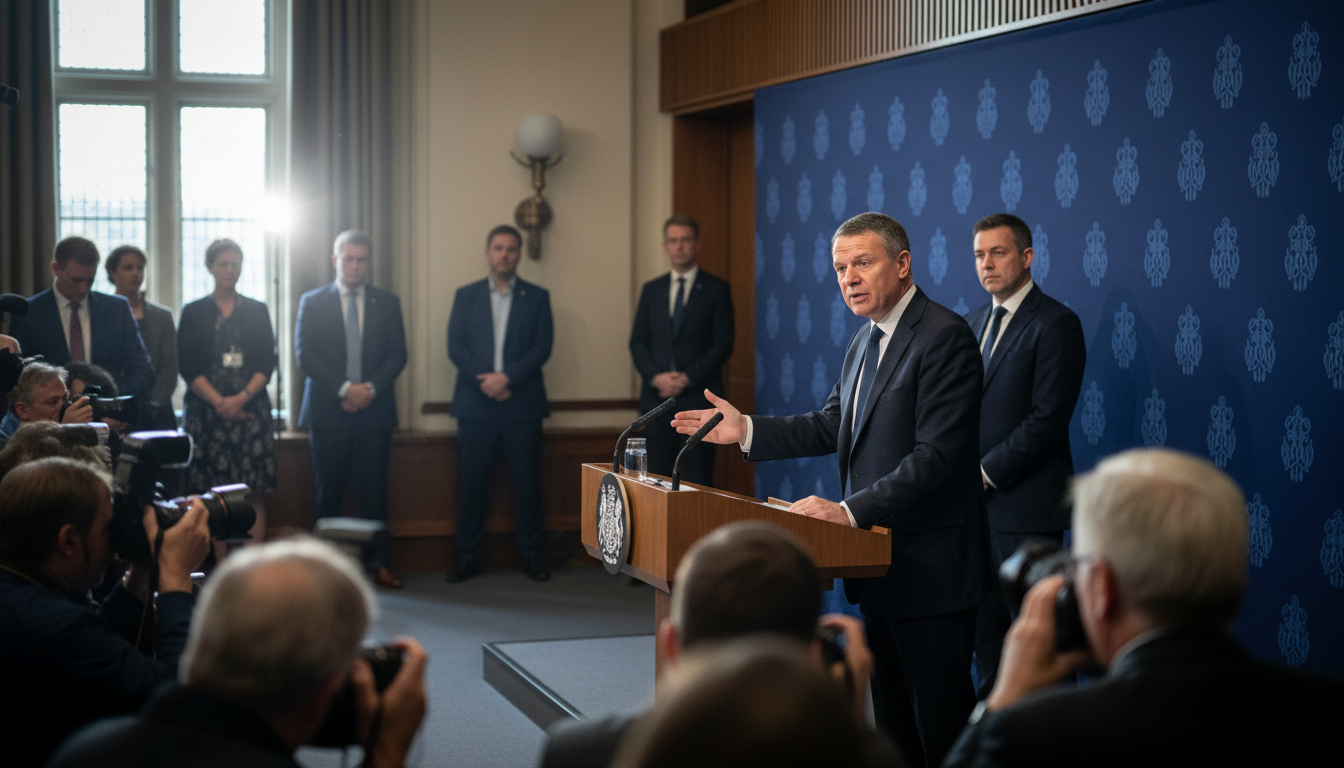
Keir Starmer said he will remain prime minister after a cabinet meeting on May 12, 2026, rejecting immediate calls to step down as dozens of Labour MPs demand a change in leadership.
Prime minister signals intent to stay
Prime Minister Keir Starmer told ministers at a cabinet meeting on May 12, 2026, that he intends to remain in office despite growing unrest within the parliamentary Labour Party. He argued that a prolonged leadership battle would distract government business and risk further economic instability.
Starmer framed his position as a duty to govern while party mechanisms for a challenge remain unused. He warned colleagues that an internal fight could damage public confidence at a time of international uncertainty.
Parliamentary threshold for a formal challenge
Labour MPs who wish to trigger a leadership contest must gather the support of at least 81 of their colleagues to nominate an alternative candidate. That threshold remains a key barrier to any immediate removal and was cited repeatedly by ministers as they assessed the strength of the rebellion.
As of Tuesday there was no publicly declared challenger prepared to marshal the necessary backing, and several lawmakers said they remained unwilling to be the first to break ranks in front of the party membership.
Calls for a resignation timetable grow
Dozens of Labour backbenchers have publicly urged Mr. Starmer to set out a timetable for his departure to allow an orderly transition. Advocates of this approach argue that a short, managed timetable could reduce market uncertainty and assure international partners of continuity.
A planned departure window would effectively make Starmer a caretaker leader while the party prepares a contest, but it could also limit his ability to pursue an ambitious domestic agenda. Some MPs believe a timetable would balance the need for change with the need for stable government.
Andy Burnham emerges as a likely contender
Among those discussed as potential successors is Andy Burnham, the mayor of Greater Manchester, who polled strongly among Labour figures and supporters. For Burnham to stand, he would first need to return to Parliament by securing a seat in a by-election, a process that could take weeks or months.
Supporters of Burnham see his regional profile and electoral appeal as assets, but his candidacy would require careful orchestration inside the party. Senior Labour figures have privately discussed whether opening the field to Burnham would coalesce rival factions and avert a wider split.
Concessions and tactical options under consideration
Party strategists are weighing whether Starmer could buy time by offering concessions, such as agreeing not to block a prospective candidate’s return to the Commons or by reshaping his front bench to accommodate dissenting factions. Such moves aim to steady the ship while preserving party unity ahead of pressing national and international challenges.
However, tactical concessions carry political costs and may be viewed as a sign of weakness by some supporters. Labour officials acknowledged that any arrangement would need to be credible to persuade critics to stand down.
Economic context and international pressures
Cabinet sources said Starmer warned ministers that a public leadership fight would inflict economic damage, a claim echoed by analysts who note markets dislike political uncertainty. The government is also managing fallout from the ongoing crisis in the Middle East, which officials say demands focused attention from ministers.
Finance ministers and business leaders have privately urged rapid clarity to avoid longer-term market disruptions. For now, Whitehall remains focused on delivering policy while monitoring party developments that could reshape the government’s short-term mandate.
Political manoeuvres will continue in the coming days as lawmakers gauge support and prospective candidates test the waters. The Labour Party’s internal processes will determine whether the unrest becomes a formal contest or is defused through negotiation.
Public statements from Downing Street emphasized the obligation to govern while party rules are followed, and ministers said they will press on with policy priorities even as the leadership question lingers.
The coming weeks will reveal whether the current momentum for change translates into the formal numbers required to force a leadership election, or whether a negotiated compromise allows the government to move forward under Starmer’s stewardship.
