
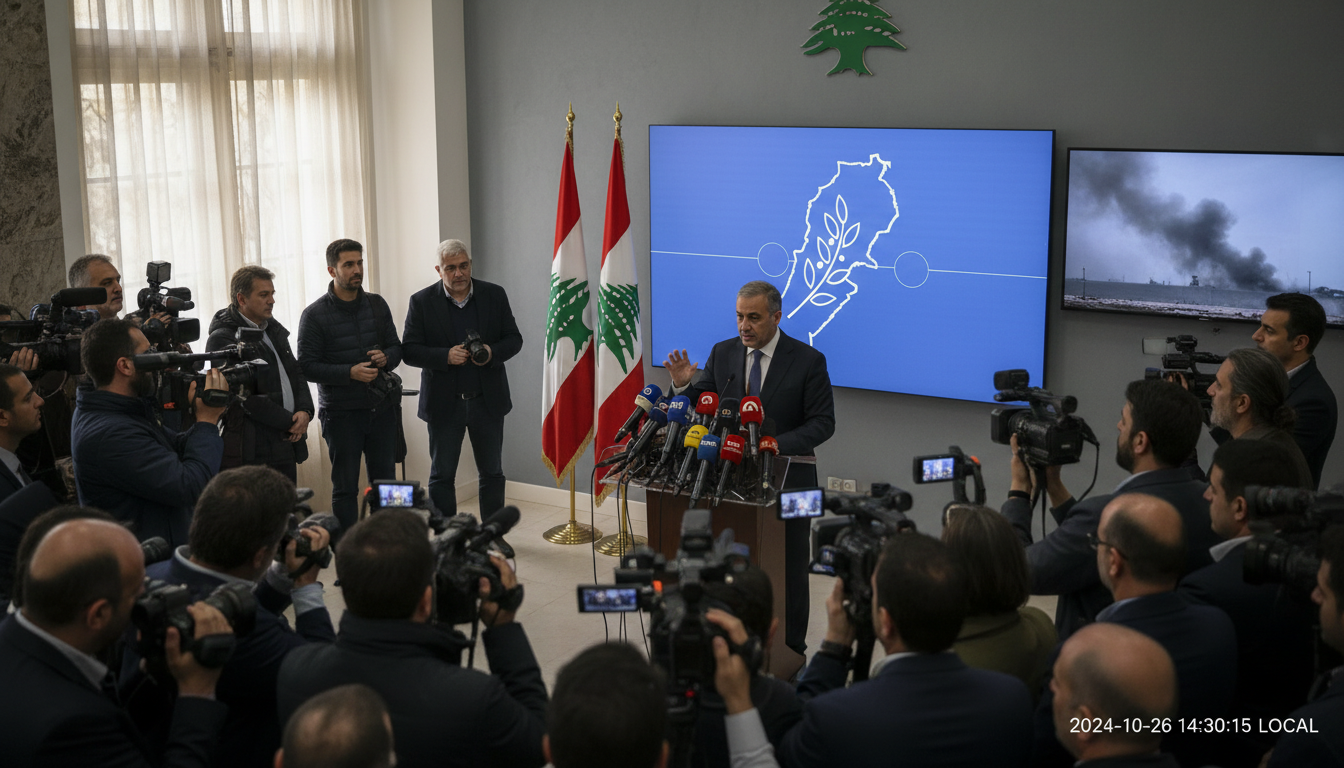
Cease-fire extension in Lebanon held for three weeks as strikes and tensions persist
U.S.-brokered three-week cease-fire extension in Lebanon preserves a fragile pause in fighting that has killed nearly 2,500 and displaced hundreds of thousands.
President Trump announced a U.S.-mediated three-week cease-fire extension in Lebanon that has temporarily slowed large-scale bombing but left the truce fragile and contested. The cease-fire extension in Lebanon has not halted all violence, with lower-level exchanges and targeted strikes continuing along the southern border. Analysts warned the arrangement falls short of a comprehensive peace and could unravel if key conditions are not met.
U.S. Announces Three-Week Cease-fire Extension
The White House said the extension was brokered to preserve a pause in hostilities and to create room for diplomacy. The move follows rare talks in Washington involving U.S. officials, and was presented as a way to prevent escalation while broader negotiations continue.
Neither the Israeli government nor Lebanese authorities issued detailed public endorsements of the extension, leaving the United States to disclose the terms and conditions. Officials characterized the agreement as temporary and conditional, emphasizing the need for both sides to refrain from actions that would reignite wider fighting.
Terms Allow Israel to Act in Self-Defense
Under the published terms, Israel retains the right to act in self-defense against “planned, imminent, or ongoing attacks,” a provision that Israeli forces have cited to justify continued strikes inside Lebanon. That clause has become a focal point of dispute, with critics arguing it provides wide latitude for Israeli operations.
Israeli statements indicate their recent strikes have focused on reducing the military capacity of armed groups in southern Lebanon while maintaining control of a forward zone. The scope of that forward zone and the extent of permissible operations have been sources of tension between mediators and local actors.
Recent Strikes and Reported Casualties
Despite the truce, clashes and aerial strikes have not ceased. Lebanese state agencies reported that an Israeli strike killed at least four people in the southern town of Yohmor, highlighting ongoing risks to civilians in contested areas.
Israeli military officials also reported strikes against rocket launchers and reconnaissance operations aimed at preventing attacks on communities north of the border. Both sides reported damage to infrastructure, and demining and reconstruction needs remain acute in many front-line towns.
Hezbollah’s Response and Tactical Calculations
Hezbollah officials have given a cautious, conditional acceptance of the extension while warning that continued Israeli operations would void the truce. Senior figures in the movement criticized the agreement for placing few formal constraints on Israeli actions and emphasized their right to respond to occupation or strikes.
Analysts say Hezbollah appears to be balancing restrained engagement with periodic attacks intended to preserve deterrence and to signal capability. Some observers argue the group is seeking leverage to press for a more durable cessation of hostilities backed by firmer guarantees.
Regional Diplomacy and Iran’s Influence
Lebanon’s temporary pause is closely linked to broader regional diplomacy, particularly interactions between Washington and Tehran. Experts note the truce’s durability may hinge on parallel negotiations with Iran and on whether external backers pressure local actors to maintain the pause.
Observers warned the arrangement is vulnerable if high-level diplomacy stalls, since allied actors could encourage renewed operations to shift bargaining positions. The U.S. role in brokering and publicizing the extension positions Washington as a pivotal mediator while also exposing the truce to changes in political priorities.
Humanitarian Impact on Displaced Civilians
Humanitarian needs across southern Lebanon remain severe, with nearly 2,500 reported dead and hundreds of thousands displaced during the fighting. Many families who fled their homes now live in temporary shelters or crowded facilities, reporting loss of homes, livelihoods and basic services.
Displaced residents say the cease-fire has delivered limited tangible relief given continued strikes, demolitions and restricted access to essential aid. Local relief organizations and international agencies have called for unhindered humanitarian corridors and urgent reconstruction support to address shelter, water and medical shortages.
The three-week extension has preserved a critical breathing space but has not resolved the underlying drivers of the conflict. As diplomats continue to press for a longer-lasting settlement, the truce’s survival will depend on whether parties convert the temporary pause into enforceable commitments and whether regional diplomacy can stabilize the wider dynamics that feed the violence.
