
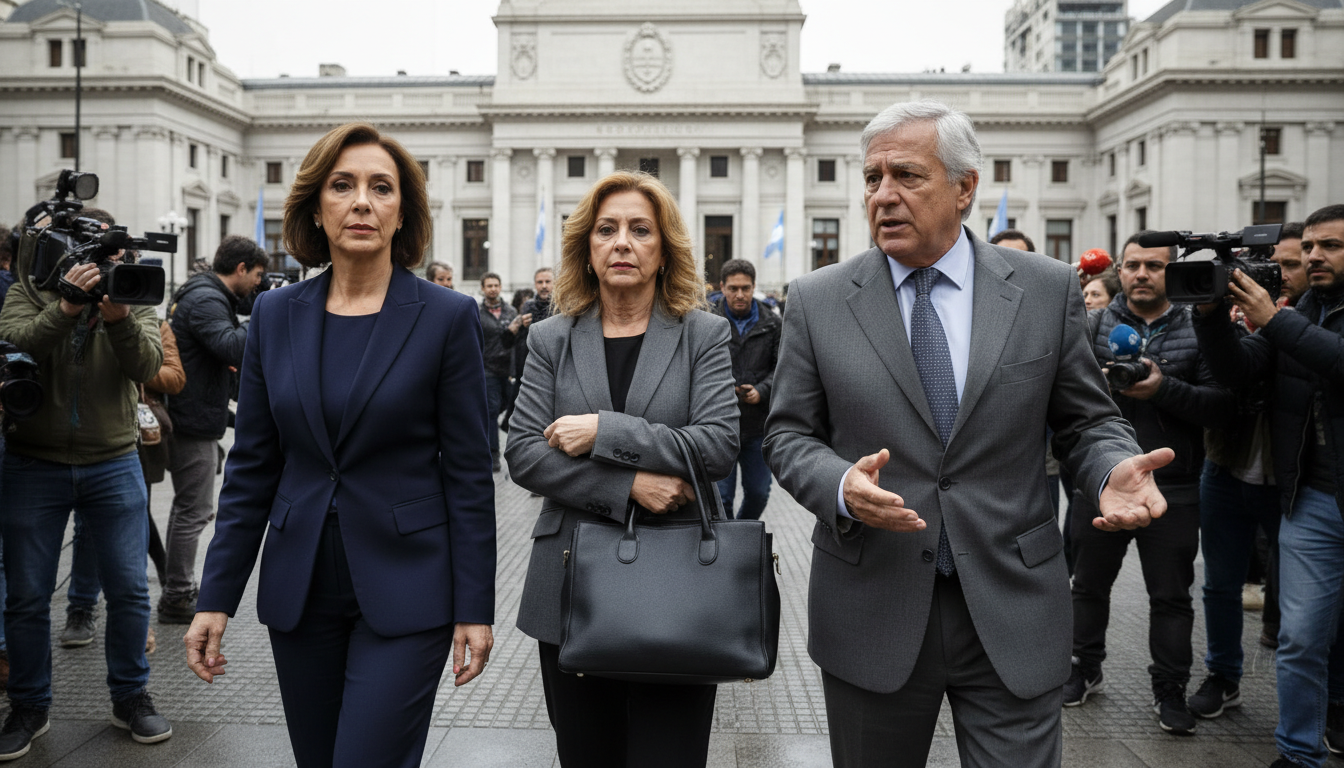
Argentine court sends sisters and ex-lawyer to trial over Maradona trademark
Argentine court has ordered a trial for Diego Maradona’s sisters and former lawyer over alleged fraudulent management of the Maradona trademark, deepening a dispute with the star’s heirs.
Diego Maradona’s trademark was at the centre of a Buenos Aires court ruling that on Tuesday sent his former lawyer, Matías Morla, his sisters Claudia and Rita Maradona, two former assistants and a notary to trial on charges of fraudulent management. The decision follows a complaint by Maradona’s children, who say the brand and its assets should have been returned to his heirs after his death. The court found sufficient grounds to pursue a criminal process over allegations the defendants harmed the legal heirs’ interests through prearranged roles and asset transfers.
Court decision and who will face trial
A court in Buenos Aires authorised the referral to trial after reviewing the prosecutorial file and evidence presented by the heirs, according to documents seen by news agencies. The individuals named include Matías Morla, the goalkeeper’s longtime lawyer, and Rita and Claudia Maradona, ages 72 and 54 respectively. Also charged are two former personal assistants and a notary public alleged to have been involved in corporate formalities related to the management of the brand.
The referral means the accused will face oral proceedings on charges linked to the alleged mismanagement and diversion of assets tied to the Maradona brand. Prosecutors argue the conduct occurred through a company Diego Maradona had established several years before his death and that its control was manipulated after he died in November 2020.
Allegations from the heirs and legal basis
Maradona’s eldest daughters, Dalma and Gianinna, filed the initial complaint in 2021, accusing Morla and others of appropriating their father’s commercial image and related assets. The sisters contend that the trademark and its revenues should have devolved to the legal heirs rather than be managed by the defendants for their own benefit. Three other children later joined the complaint, broadening the group of heirs pursuing civil and criminal remedies.
Prosecutors say evidence points to an organised scheme with an agreed division of roles designed to divert income and control from the heirs. The charges focus on “fraudulent administration” or similar offences under Argentine law, alleging that the defendants caused economic harm to the rightful beneficiaries through improper corporate acts and transfers.
Previous rulings and asset freezes
In December, an Argentine appeals court confirmed formal accusations against six people linked to the case and ordered precautionary measures that included freezing assets. The court ordered the seizure of property and funds valued at two billion Argentine pesos, a figure the prosecution cited when seeking to secure potential restitution. That sum was described by authorities as a necessary step to preserve assets pending further legal proceedings.
The December decision followed months of inquiry and civil litigation aimed at untangling corporate structures and revenue flows connected to the Maradona name. Investigators have examined contractual arrangements, licensing deals and company records created in the years before and after Maradona’s death.
Valuation of the Maradona brand and disputes over control
The economic stakes in the dispute are significant: one of Diego Maradona’s younger daughters’ legal representatives has publicly referenced an estimated value of about $100 million for trademarks and rights associated with the football icon. That valuation underpins the heirs’ contention that substantial commercial income and future revenues were improperly diverted from the family. The defendants, who deny wrongdoing, have argued in various filings that company actions were lawful and reflected Maradona’s wishes or legitimate posthumous administration.
The controversy highlights broader questions about governance, transparency and succession planning for celebrity image rights. Legal experts say cases of this type often hinge on documentation of authorisations, the timing of transfers and evidence of intent to defraud heirs.
Connection to the separate criminal inquiry into Maradona’s death
The trademark case comes as Argentina continues to grapple with separate criminal proceedings into the circumstances of Maradona’s death in November 2020. In San Isidro, north of Buenos Aires, a trial is underway this month involving seven healthcare workers accused in a prosecution that alleges possible culpability in the star’s fatal medical care. That trial, and the trademark case in Buenos Aires, together illustrate the multiple legal fronts opened since Maradona’s passing at age 60.
While the death inquiry focuses on medical negligence and potential criminal responsibility, the trademark prosecution is centred on property and commercial rights disputes arising from the posthumous management of Maradona’s image. Legal observers note that outcomes in one case may influence public perception but operate under separate legal standards and procedures.
The Buenos Aires court’s referral to trial marks a new phase in a long-running family and corporate dispute over one of football’s most recognisable names.
The scheduled trial will determine whether formal criminal liability can be established for the accused and how assets tied to the Maradona trademark should be distributed among the heirs.
