
Mexican school calendar change under review as President Sheinbaum distances herself from early summer break proposal
Claudia Sheinbaum says the proposed Mexican school calendar change to start summer break earlier is not final, after parent groups and unions raised objections.
President Claudia Sheinbaum appeared to step back from a plan to advance the summer break in a proposed Mexican school calendar change, saying the idea was not yet finalized as public criticism mounted.
Her comments came after the education minister announced a shortened school year to address a heatwave and the country’s role in the upcoming World Cup.
Sheinbaum says proposal is not final
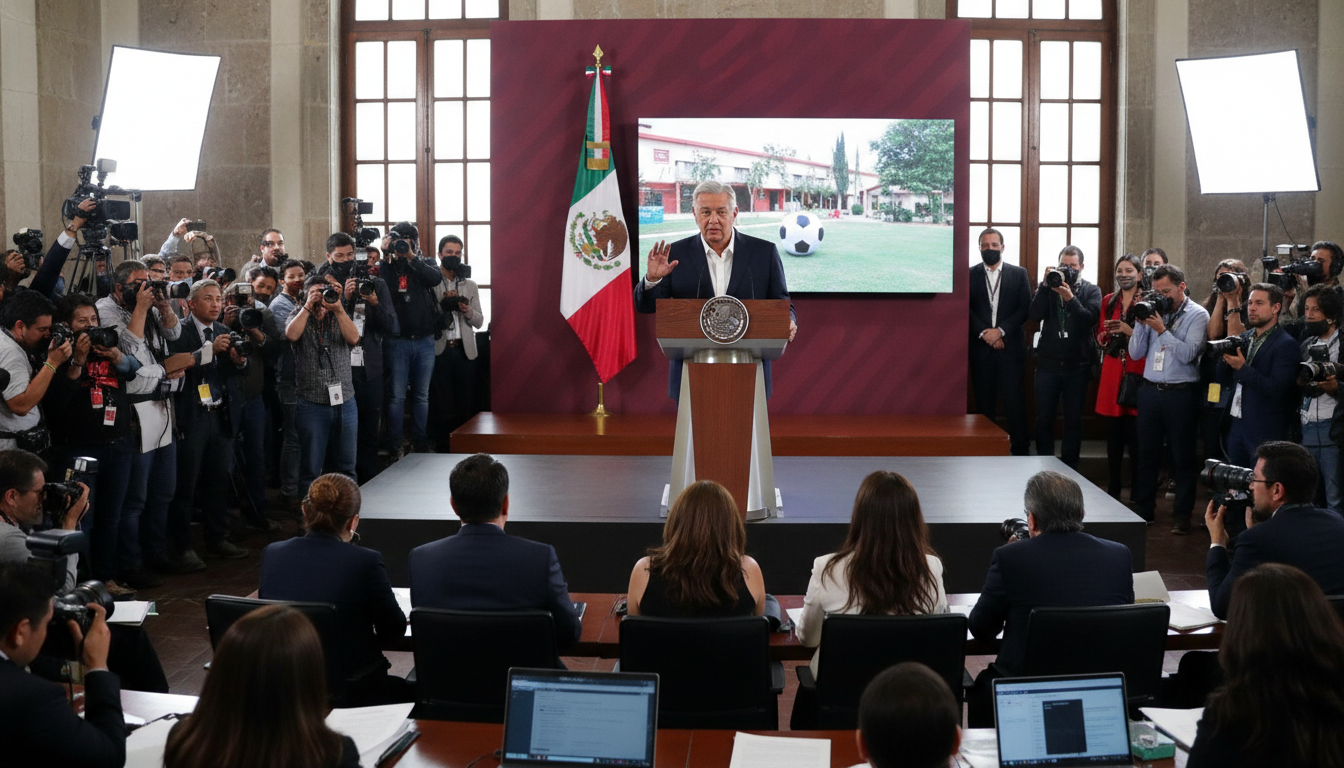
President Sheinbaum told reporters the proposal was intended to accommodate public interest in the World Cup and to respond to extreme heat, but that any adjustment must also account for children’s school days.
Sheinbaum emphasized there is no set timetable for implementing the change and framed the move as a suggestion rather than a decision, signaling further consultations with education authorities.
Education ministry issued the initial announcement
The proposal to shorten the school year was announced in a post by Education Minister Mario Delgado, who said the National Council for Educational Authorities had agreed on an “adjustment.”
Delgado assured that curricular requirements would be met and that academic progress for all students would be preserved, though he did not provide details on how learning outcomes would be ensured.
Proposed calendar shifts and key dates
Under the plan unveiled by the ministry, the school year would end on June 5 instead of the scheduled July 15, advancing the summer recess by more than a month.
The ministry also proposed that the next academic year begin on August 31, one day earlier than the currently scheduled 2025 start, changes that would compress scheduled instructional time.
Parent associations voiced sharp opposition
The National Federation of Parent Associations released a statement calling the use of the World Cup as justification for shortening the academic calendar “unacceptable.”
The federation argued that an international sporting event hosted in a handful of municipalities should not lead to reduced instructional time for children nationwide and warned against sacrificing education for logistical convenience.
Teachers’ union threat and labor tensions
Mexico’s influential teachers’ union has warned of industrial action, including a potential strike during the World Cup’s opening match, underscoring broader disputes over pay and pension law reforms.
Union leaders have long demanded higher salaries and changes to retirement regulations, and the calendar proposal has added a new flashpoint to the strained relationship with the government.
World Cup hosting and urban logistics
Mexico is set to host 13 World Cup matches across three Mexican host cities in June and July, a schedule ministers cited when proposing the earlier school closure.
Officials have argued that temporarily closing schools in host cities could ease traffic and congestion for hundreds of thousands of visitors expected during the tournament, though opponents question the proportionality of that rationale.
Heatwave and academic impact considerations
Authorities cited an ongoing heatwave with temperatures reaching as high as 45°C in parts of the country as another reason for the proposed Mexican school calendar change.
Critics counter that such heat spikes are seasonal and typically ease with the onset of the rainy season in June, and they urged the government to prioritize heat mitigation measures rather than shortening instructional time.
The proposal also raises practical questions about how schools would make up lost instructional hours and whether condensed timetables or curricular revisions would be sufficient to maintain learning standards.
