
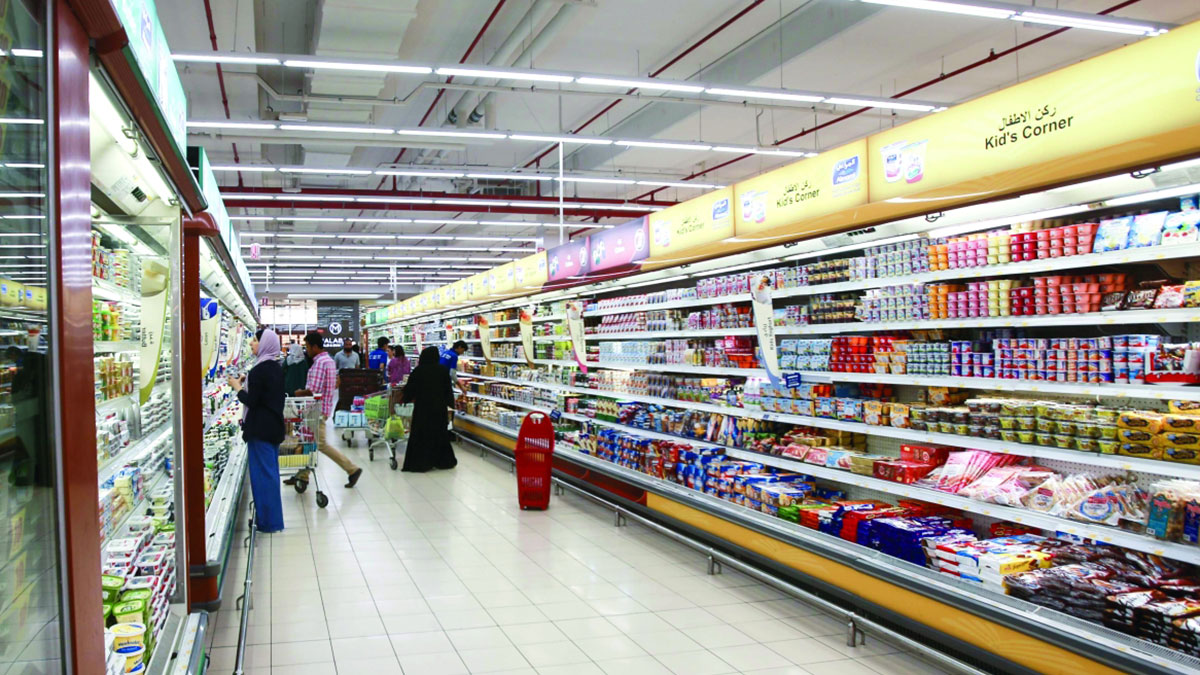
Consumers confirmed to “Emarat Al Youm” that major outlets are devoid of “price-fixed goods,” as in the past, calling for fixing the prices of goods that are a priority for consumers, including basic goods, to ensure that their prices do not rise in the event of any changes in prices globally, or the occurrence of emergency problems in supply chains.
A field tour by “Emirates Today” in a number of sales outlets showed that they were completely devoid of “fixed-price goods”, and the “fixed-price goods” signs had completely disappeared from the shelves, after the past period had witnessed the introduction of a limited number of “fixed-price goods” ranging between five and 10 goods.
Two officials at two outlets told Al-Emarat Al-Youm that the “fixed-price goods” initiative was linked to specific circumstances, but it did not prevent price increases for some goods, noting that “any fixed-price commodity cannot have its price raised or lowered, and therefore, the reduction is more useful and beneficial for consumers.”
For its part, the Ministry of Economy told Al-Emarat Al-Youm that the prices of consumer goods are determined according to market rules, principles of free competition, and factors of supply and demand, with the exception of specific basic goods that are subject to price monitoring by the ministry and the competent authorities, namely: cooking oil, eggs, dairy, rice, sugar, poultry, legumes, bread, and wheat.
The Ministry of Economy launched an initiative for the first time in 2011 to fix the prices of about 400 goods in more than 70 sales outlets, and their number gradually increased every year until it reached 1,700 goods with fixed prices in 2019.
Consumer Reviews
In detail, consumer Essam Kamel said that he noticed that outlets with branches in a number of the country’s emirates were devoid of any “goods with fixed prices.”
Through “Emirates Today”, he called on sales outlets to fix the prices of basic commodities, as well as food commodities that top consumers’ priorities, such as meat and rice, and other commodities such as detergents, so that their prices do not rise locally, due to the increase in global prices, or the occurrence of emergency problems in the supply chain.
Consumer Samira Abdel Qader said: “Major outlets are completely devoid of (price-fixed goods), after the past period witnessed a few signs in a number of outlets about limited goods with fixed prices.” She stressed the need to fix the prices of a number of basic goods, such as oils of all kinds, flour, and legumes. Consumer Reda Alwan agreed on the importance of fixing the prices of goods, especially basic ones that concern consumers, such as milk, dairy products, tea, and coffee, in light of the global circumstances that cause commodity prices to rise globally.
Discount offers
In addition, the official at the outlet, Ali Dawood, said: “The outlets are constantly working to increase the offers of discounted goods, which is in the interest of consumers, more than fixing the price.”
He added: “The ‘fixed prices of goods’ initiative was linked to specific circumstances, and did not prevent increases in the prices of some goods,” noting that fixing the prices of some goods could lead to a shortage, given that global price increases lead to losses for traders.
In the same context, Hassan Rizk, an official at another outlet, said that outlets are seeking to increase the prices of discounted goods, noting that “any commodity with a fixed price cannot be raised or lowered in price, and therefore, the reduction is more beneficial and useful for consumers.”
Rizk stressed that the prices of basic commodities cannot be raised without obtaining prior approval from the Ministry of Economy and the competent authorities.
Market rules
In addition, the Ministry of Economy told Al-Emarat Al-Youm that Cabinet Resolution No. (120) of 2022 regarding the rules and controls for pricing consumer goods in the country is currently in effect.
She explained that the decision stipulates that the prices of consumer goods in the country are determined according to market rules, principles of free competition, and factors of supply and demand, without violating the legislation in force in the country regarding consumer protection and competition.
The ministry added: “Specific basic commodities that are subject to price monitoring by the ministry and the competent authorities are excluded from this, namely: cooking oil, eggs, dairy, rice, sugar, poultry, legumes, bread, and wheat.”
Al-Eqtisadiah explained that the Council of Ministers may, based on the proposal of the Minister and in coordination with the competent authorities, amend the list of basic consumer goods, by increasing or decreasing them, according to the circumstances and developments in the country’s markets or in foreign markets.
According to the Ministry of Economy, the decision stressed that any increase in the price of any basic consumer goods is prohibited without obtaining prior approval from the Ministry. The Minister shall issue a decision after coordination with the competent authorities and relevant federal entities, specifying the sub-categories of basic consumer goods and establishing a comprehensive system that regulates the relationship between retailers and suppliers regarding the mechanisms and controls for pricing basic consumer goods.
She added that the decision indicated that the Ministry of Economy is coordinating with the competent authorities to monitor the movement of prices for basic consumer goods, to ensure that there are no price increases without obtaining prior approval from the Ministry, provided that the Ministry and the competent authorities’ monitoring of both the merchant and the supplier takes into account ensuring the stability or decrease of the selling price of the consumer good to the consumer, according to the circumstances and requirements of the case.
The decision stated that the Ministry would establish a mechanism for coordination with the competent authorities regarding the implementation of the decision, and a decision would be issued by the Minister specifying the mechanism, controls and procedures for monitoring the movement of consumer goods prices, receiving complaints, and the necessary procedures regarding them, provided that the Council of Ministers, based on the Minister’s proposal and after coordination with the relevant authorities, would issue a decision on the violations and administrative penalties imposed on violators of any of the provisions stipulated in the decision or the decisions issued in implementation of its provisions.
• Sales outlets: “Discounting” is more beneficial and useful to consumers than fixing commodity prices.
• The Ministry of Economy coordinates with the relevant authorities to monitor the prices of basic consumer goods, to ensure that they do not increase without prior approval from the Ministry.
Follow our latest local and sports news, and the latest political and economic developments via Google News
