
Senegal anti-LGBTQ law defended by prime minister as rights groups warn of rising abuses
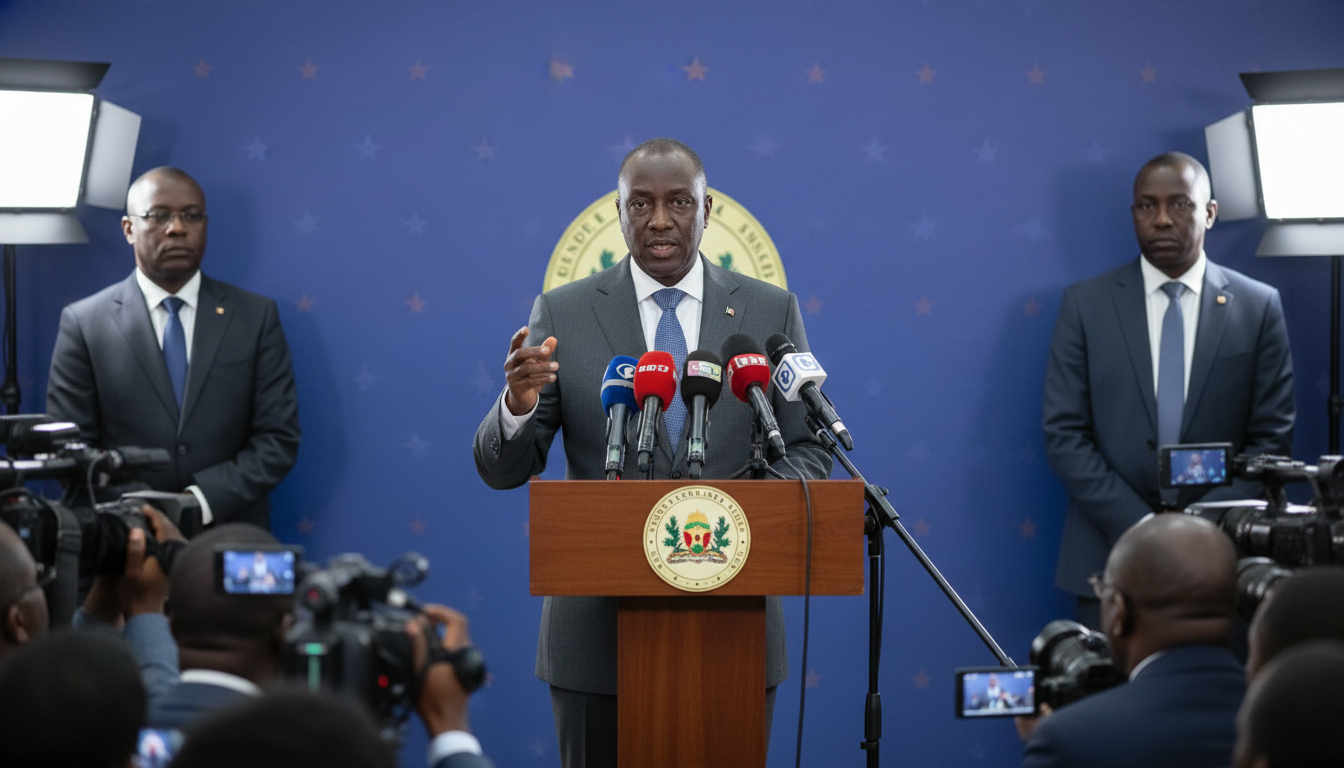
Senegal anti-LGBTQ law defended by prime minister as rights groups warn of rising abuses — Prime Minister Ousmane Sonko addressed parliament on May 22, 2026, defending the legislation and accusing Western influence. (150 characters)
Senegal’s prime minister defended the new Senegal anti-LGBTQ law in a forceful speech to the National Assembly on May 22, 2026, accusing Western nations of trying to impose values he said clash with local norms.
Ousmane Sonko framed the legislation as part of a broader push to protect national culture and social order, while international human rights organisations warned the measures will increase vulnerability and discrimination.
The law, which took effect in late March, has already prompted arrests and widespread condemnation from the United Nations and non-governmental groups.
Prime Minister’s remarks in parliament
Ousmane Sonko told lawmakers the legislation responds to what he described as undue pressure from Western countries and media to normalise same-sex relationships.
He said Senegal must resist foreign influence in matters of morality and public policy, asserting the state’s right to legislate according to national values.
His comments came amid heightened domestic debate and growing international scrutiny of the country’s legal changes.
Key provisions of the new legislation
The law, enacted in late March 2026, raises penalties for same-sex sexual activity, doubling the maximum prison term from five years to ten.
It also creates offences for financing same-sex relationships and for what the text calls the “promotion” or “glorification” of acts deemed unnatural, broad language critics say could target civil society and the media.
Legal experts and advocates warn the provisions are sweeping and vaguely worded, increasing the risk of arbitrary enforcement.
UN and rights groups urge reversal
United Nations Human Rights chief Volker Türk publicly urged President Bassirou Diomaye Faye not to sign or implement the legislation, calling it deeply worrying for human rights protections in Senegal.
UN officials and international NGOs have said the law will expose people to heightened risks of abuse, arbitrary arrest, and discrimination in education, health care and employment.
Human Rights Watch and other groups have demanded the release of those detained and called for repeal of what they described as discriminatory and homophobic statutes.
Recent arrests and enforcement trends
Authorities have stepped up enforcement since the law took effect, with a number of arrests reported in the capital, Dakar, earlier this year.
In February 2026, police detained a group of men on charges described in official statements as “acts against nature,” drawing condemnation from rights organisations.
Activists say those arrests signal a worrying precedent for expanded policing of private behaviour and increased opportunities for blackmail and abuse.
Domestic political context and public reaction
The legislation has found support among conservative political forces and segments of the population who view it as protective of social norms and family structures.
Opponents inside Senegal, including human rights defenders and some journalists, argue it undermines civil liberties and could stifle legitimate advocacy and reporting.
Public response has been mixed and, in some cases, constrained by fear of retaliation, making it difficult to gauge the full scope of domestic opposition.
Regional and global comparisons
Senegal’s move follows a broader trend in parts of Africa where several nations have adopted tougher measures targeting LGBTQ people in recent years.
About 65 countries worldwide still criminalise same-sex relations, with more than half of those located on the African continent, human rights monitors note.
International observers warn that legislative rollbacks on sexual orientation and gender identity rights risk isolating countries diplomatically and harming public health outcomes.
The deployment of the law in Senegal raises immediate practical questions for lawyers, health providers and civil society organisations operating in the country.
Legal challenges are likely to emerge, and international organisations are preparing to document cases of abuse and discrimination for reporting to global human rights bodies.
Meanwhile, the government’s insistence on national sovereignty in moral and social policy ensures the debate will remain a central political issue in the coming months.
As Senegal navigates competing pressures from domestic constituencies and international actors, rights groups say the immediate priority is protecting people already at risk from arrest, violence and exclusion.
Observers caution that vague criminal provisions and increased policing can produce long-term harms beyond those captured by arrest statistics, affecting access to services and livelihoods.
The unfolding situation will be closely watched by regional governments, diplomatic partners and human rights monitors seeking to assess the law’s real-world impact.
